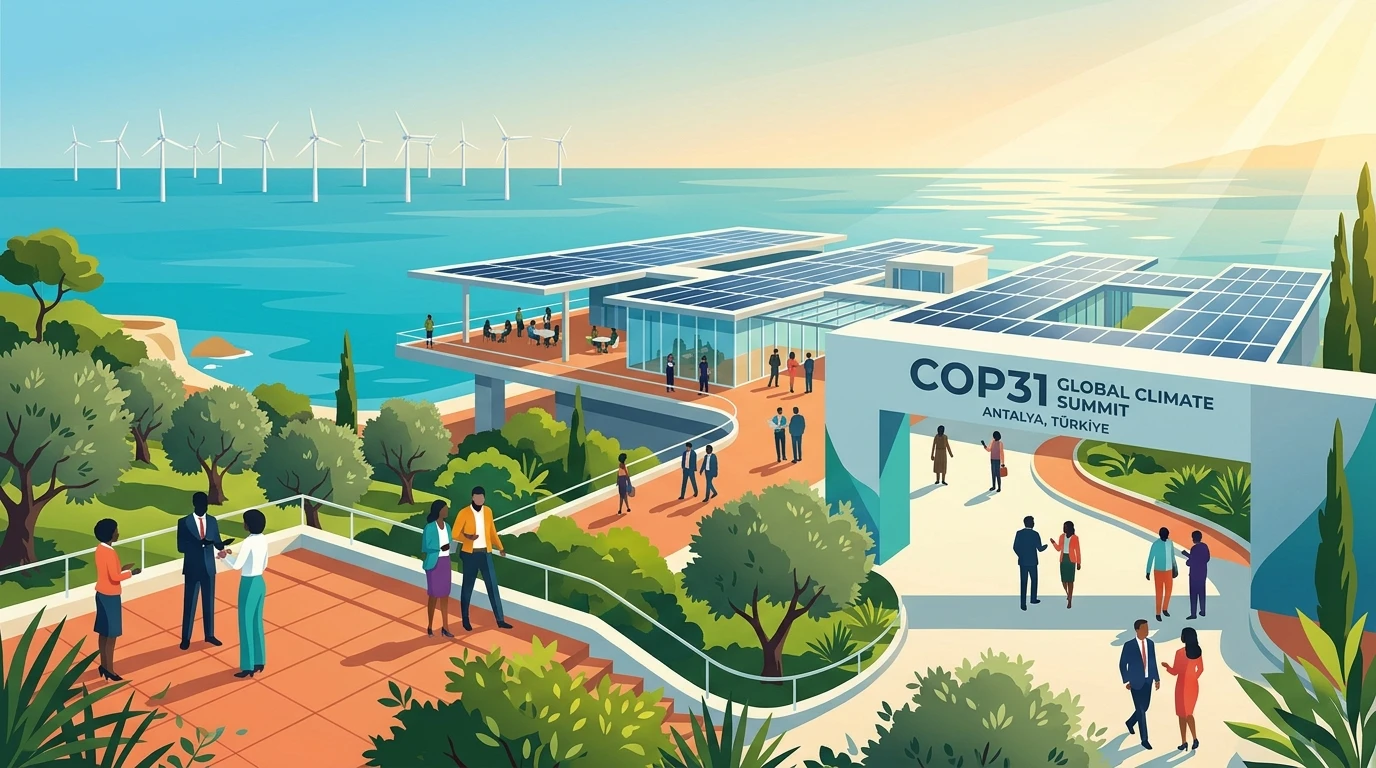
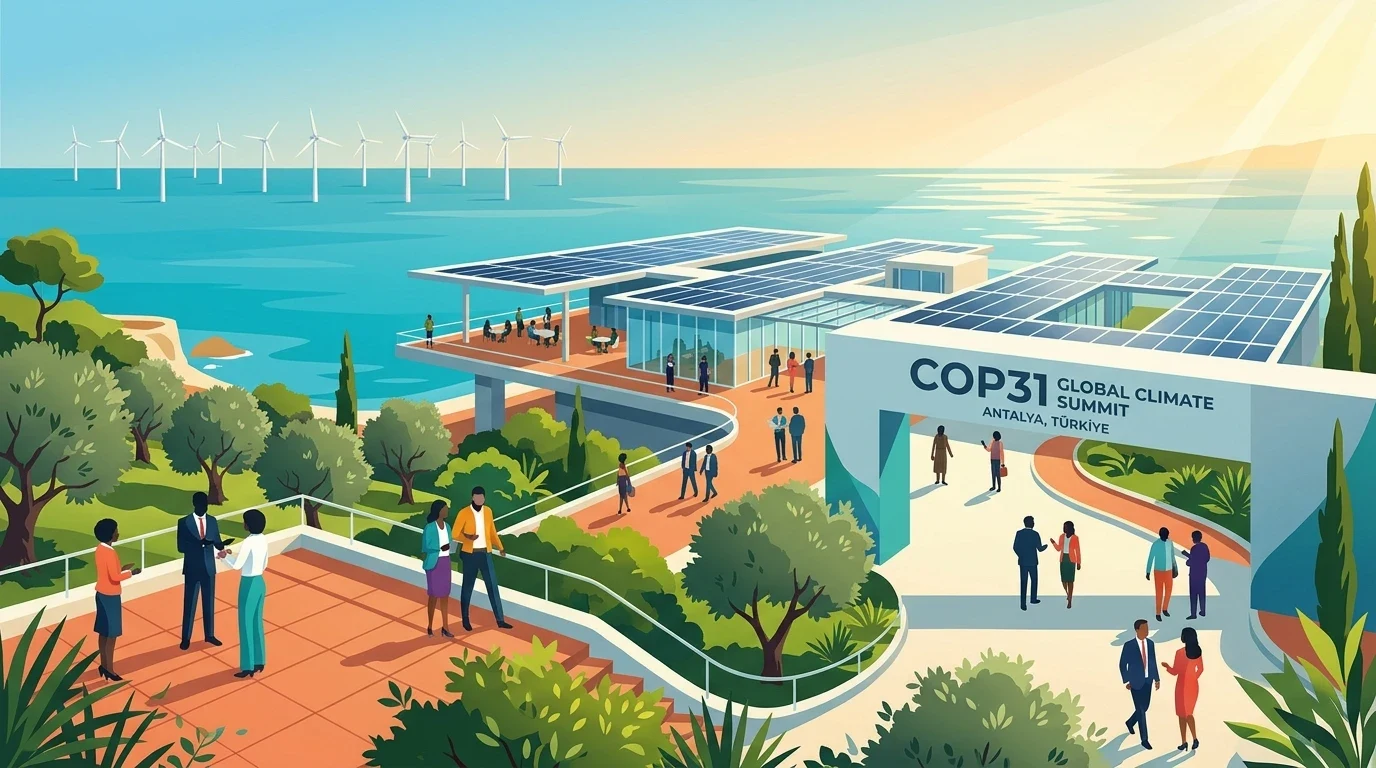
In a landmark plenary address delivered at the United Nations COP31 Climate Summit in Antalya on Friday, November 13, International Energy Agency (IEA) Executive Director Fatih Birol issued a profound assessment of international energy security. Speaking before environment ministers, finance officials, and utility executives from over 190 nations, Birol declared that the prolonged military conflict in Iran and maritime disruptions across the Strait of Hormuz have permanently fractured twentieth-century energy supply chains, creating an irreversible imperative for nations to accelerate sovereign clean energy and domestic nuclear independence.
The End of the Predictable Hydrocarbon Era
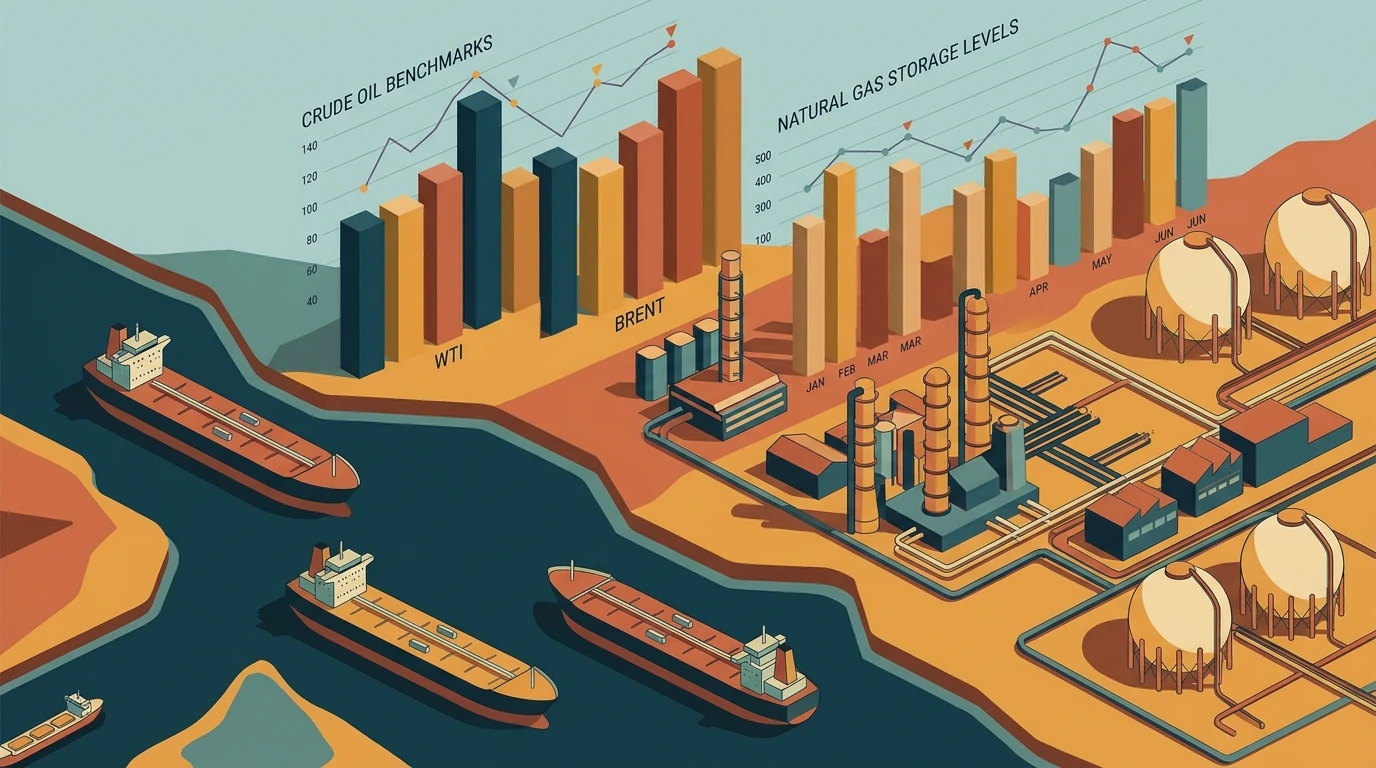
Birol warned that global energy markets can no longer rely on the premise of uninterrupted, low-cost maritime transit through narrow geopolitical chokepoints. With hundreds of commercial tankers diverted around the Cape of Good Hope over recent months and war-risk insurance premiums permanently reshaping shipping economics, the IEA chief argued that fossil fuel vulnerability has become an untenable national security risk for both developed and emerging economies.
"The geopolitical shocks of 2026 have delivered an unmistakable message to every sovereign capital: energy security and clean energy transition are no longer separate agendas; they are one and the same," Birol stated emphatically. "Nations that depend on thousands of miles of vulnerable maritime oil and gas corridors are discovering that true energy resilience cannot be imported in a tanker. It must be generated on domestic soil through solar, wind, advanced battery storage, and next-generation nuclear power."
Renewables as the Ultimate Security Hedge
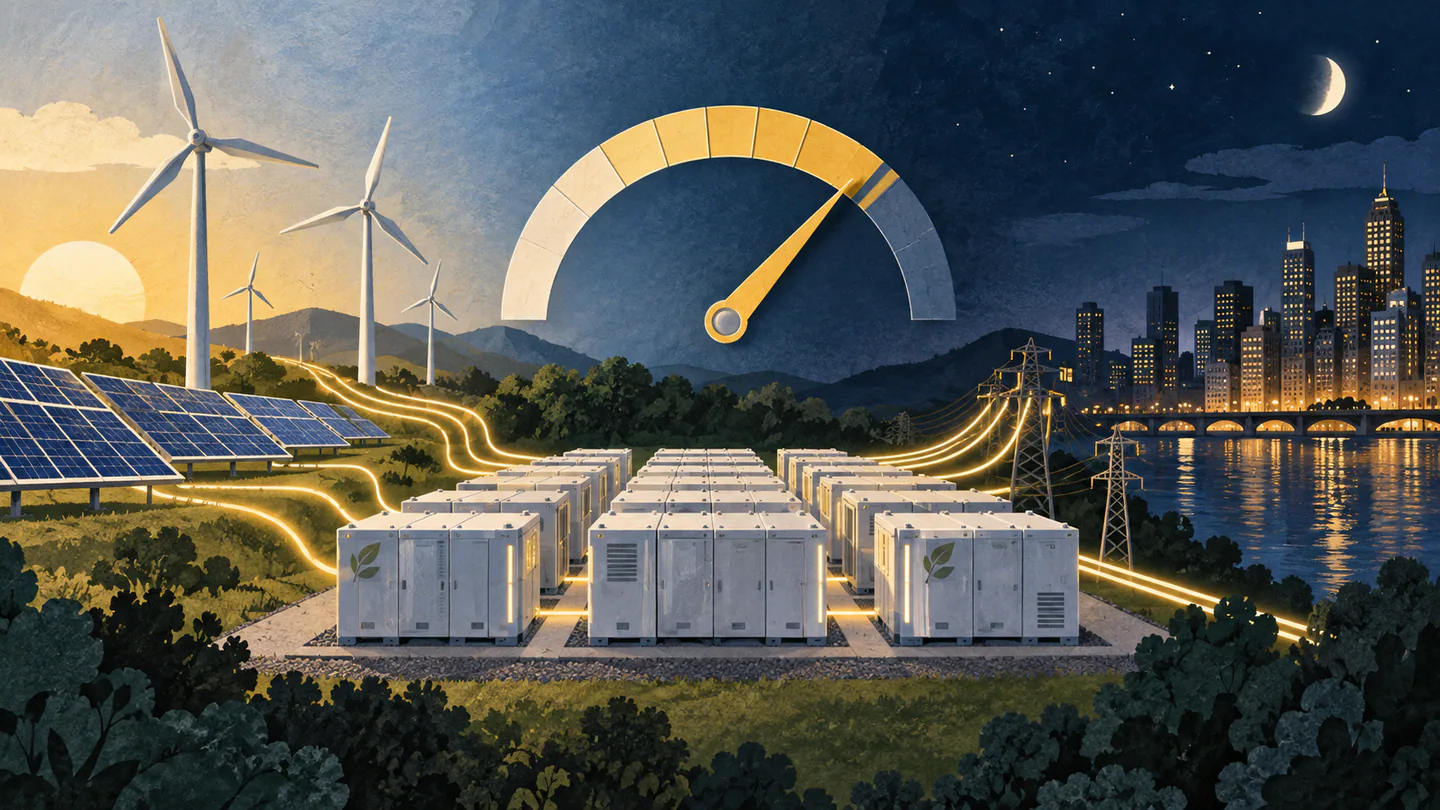
The IEA presented updated quantitative modeling demonstrating that countries aggressively expanding domestic renewable generation and grid-scale storage over the past three years weathered the recent Persian Gulf oil price spikes with substantially lower headline inflation and minimal industrial curtailments. Conversely, nations reliant on merchant spot LNG shipments faced punishing fiscal deficits and industrial margin contractions.
Birol called upon multilateral development banks and industrialized nations to double climate finance allocations for grid modernization across the Global South. The IEA highlighted that the primary obstacle to global energy transition is no longer renewable equipment cost—which has plummeted to historic lows—but rather outdated regional transmission infrastructure, long interconnection queues, and inadequate cross-border grid interconnectors.
The Resurgence of Nuclear and Baseload Innovation
A notable theme of Birol’s address was the critical role of advanced nuclear energy and small modular reactors (SMRs) in powering the concurrent expansion of artificial intelligence data centers and industrial manufacturing. Birol noted that hyperscale technology firms financing dedicated clean microgrids represent a transformative economic force, proving that massive industrial computing loads can be sustained without reversing global decarbonization commitments.
Delegates at COP31 widely praised Birol’s remarks, with ministerial working groups drafting final summit communiques emphasizing sovereign energy independence, streamlined transmission permitting, and accelerated international clean-technology supply partnerships.
Editorial Fact Check & Key Findings
Key points
- IEA Chief Fatih Birol delivered a keynote address at the COP31 Climate Summit in Antalya.
- Stated that Persian Gulf conflict permanently fractured traditional maritime energy supply chains.
- Urged sovereign nations to accelerate domestic solar, wind, storage, and small modular nuclear reactors.
What the evidence shows
Speaking at COP31 in Antalya, IEA Executive Director Fatih Birol stated that the Iran conflict and maritime chokepoints permanently broke legacy energy trade, urging nations to accelerate domestic renewables and nuclear baseload.
Background and limits
Diverted tankers and soaring maritime war-risk insurance highlighted fossil fuel supply chain vulnerabilities for global economies.
Why this matters
Official International Energy Agency COP31 transcripts and United Nations Climate Change plenary records verify statements.