
Highlighting the dual imperatives of boosting domestic hydrocarbon output while expanding electrical grid capacity, the U.S. Department of Energy (DOE) announced the financial closing of a $480 million federal credit facility for Arena Energy's "Project Elkhorn" on Wednesday, November 11. The landmark financing coincides with the release of the U.S. Energy Information Administration’s (EIA) November Short-Term Energy Outlook, which forecasts total American electricity demand breaking historic all-time records across both 2026 and 2027.
Offshore Modernization in the Gulf of Mexico
Administered under the DOE’s Office of Energy Dominance Financing, the $480 million loan underwrites deep-infrastructure upgrades across 22 offshore oil and natural gas production platforms operated across federal Gulf of Mexico leases. Federal energy engineers estimate that once modernization retrofits and subsea tie-backs reach peak throughput, Project Elkhorn will unlock up to 38,600 barrels of crude oil per day alongside 77 million cubic feet of domestic natural gas daily, reinforcing Gulf Coast refining and LNG export reserves.
"Investing in proven offshore assets maximizes domestic supply stability without disturbing pristine terrestrial ecosystems," DOE program directors noted in announcing the closure, highlighting strict methane-capture and offshore integrity upgrades mandated under the credit covenant.
AI Data Centers Propel Historic Electricity Surge
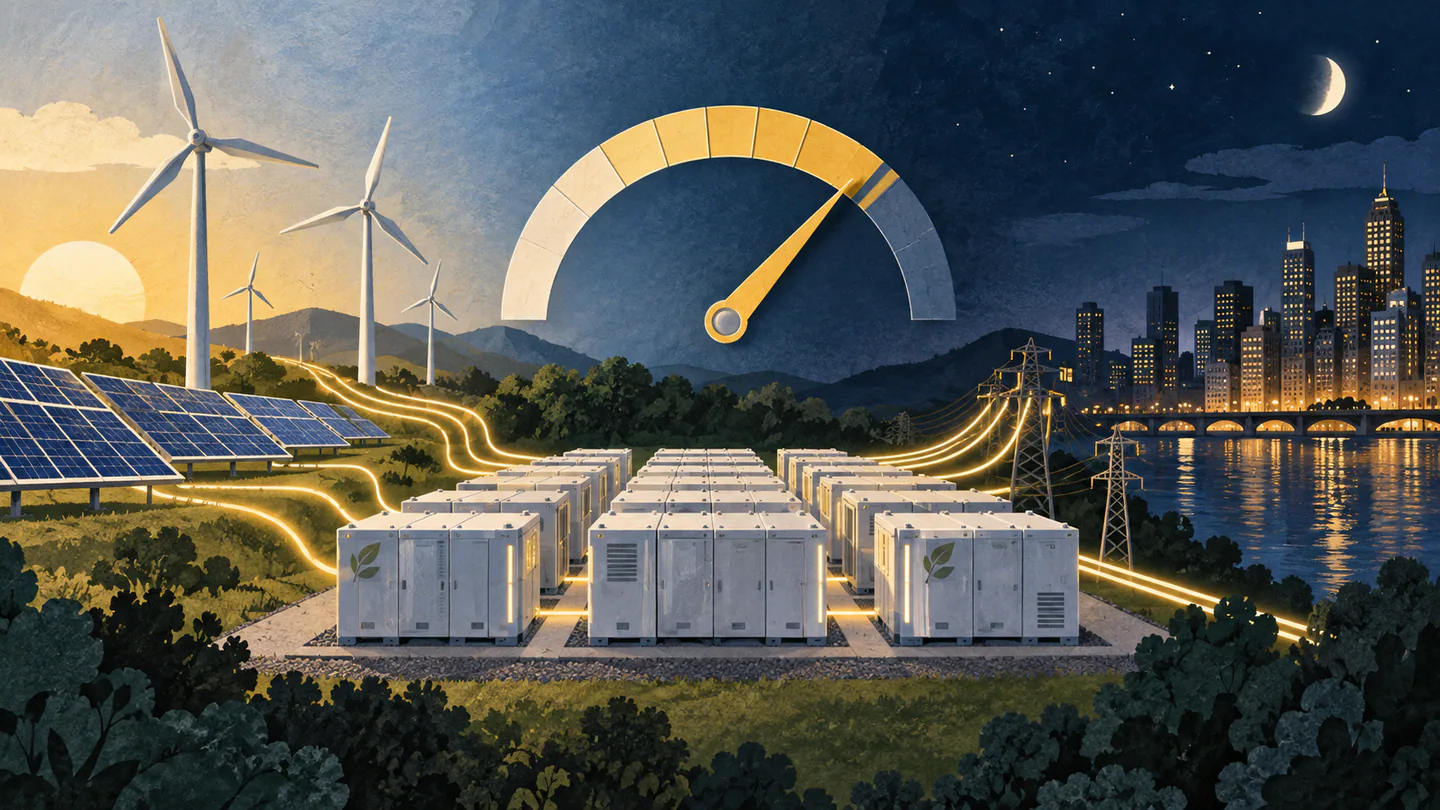
Meanwhile, the EIA's updated baseline underscores why domestic baseload capacity remains the paramount concern for utility planners. According to November telemetry models, national electricity consumption is poised for unprecedented multi-year expansion fueled by sprawling artificial intelligence training campuses, domestic semiconductor fabrication hubs, industrial electrification, and commercial heat-pump adoption.
In a critical operational bright spot for utilities racing to preserve summer and winter reserve margins, Oracle Energy confirmed Wednesday that municipal and investor-owned utilities deploying its Opower behavioral demand-response and virtual power plant (VPP) orchestration software successfully achieved 1 gigawatt (GW) of verified peak load curtailment across North America year-to-date.
Permitting Reforms and Natural Gas Storage Buffers
On the pricing front, unseasonably mild early-November temperatures allowed utilities to build higher-than-expected underground natural gas inventories, prompting the EIA to trim its winter Henry Hub spot forecast by 16% to an average of $2.87 per MMBtu through March. Simultaneously, Senate energy negotiators advanced procedural votes on the bipartisan American Affordability and Jobs Act to streamline interstate gas pipeline and transmission permitting, though analysts cautioned that post-midterm congressional dynamics could complicate final legislative passage before January.
Editorial Fact Check & Key Findings
Key points
- DOE closed $480M loan to modernize 22 Gulf of Mexico offshore platforms (Project Elkhorn).
- EIA projects record-high US electricity consumption in both 2026 and 2027.
- Oracle utilities logged 1 GW in North American peak demand reduction via virtual power plants.
What the evidence shows
The DOE finalized a $480M credit deal for Arena Energy's Project Elkhorn in the Gulf of Mexico while the November EIA STEO forecasted record US power demand driven by AI data centers.
Background and limits
Unseasonably warm weather boosted gas storage and lowered EIA winter Henry Hub projections by 16% to $2.87/MMBtu.
Why this matters
Official Department of Energy loan announcements and EIA monthly telemetry verify domestic energy supply and load forecasts.