Institutional debt capital markets have initiated an abrupt repricing of risk for speculative artificial intelligence data center developments, demanding stricter debt-service covenants and significantly wider credit spreads following mounting regional grid interconnect delays. An extensive review of private placement credit syndications and utility filings across the Mid-Atlantic and Southwest revealed on Tuesday, November 10, that over $28 billion in proposed greenfield computing campus financings have encountered underwriting holds over the past six weeks.
The Interconnection Bottleneck Meets Capital Discipline
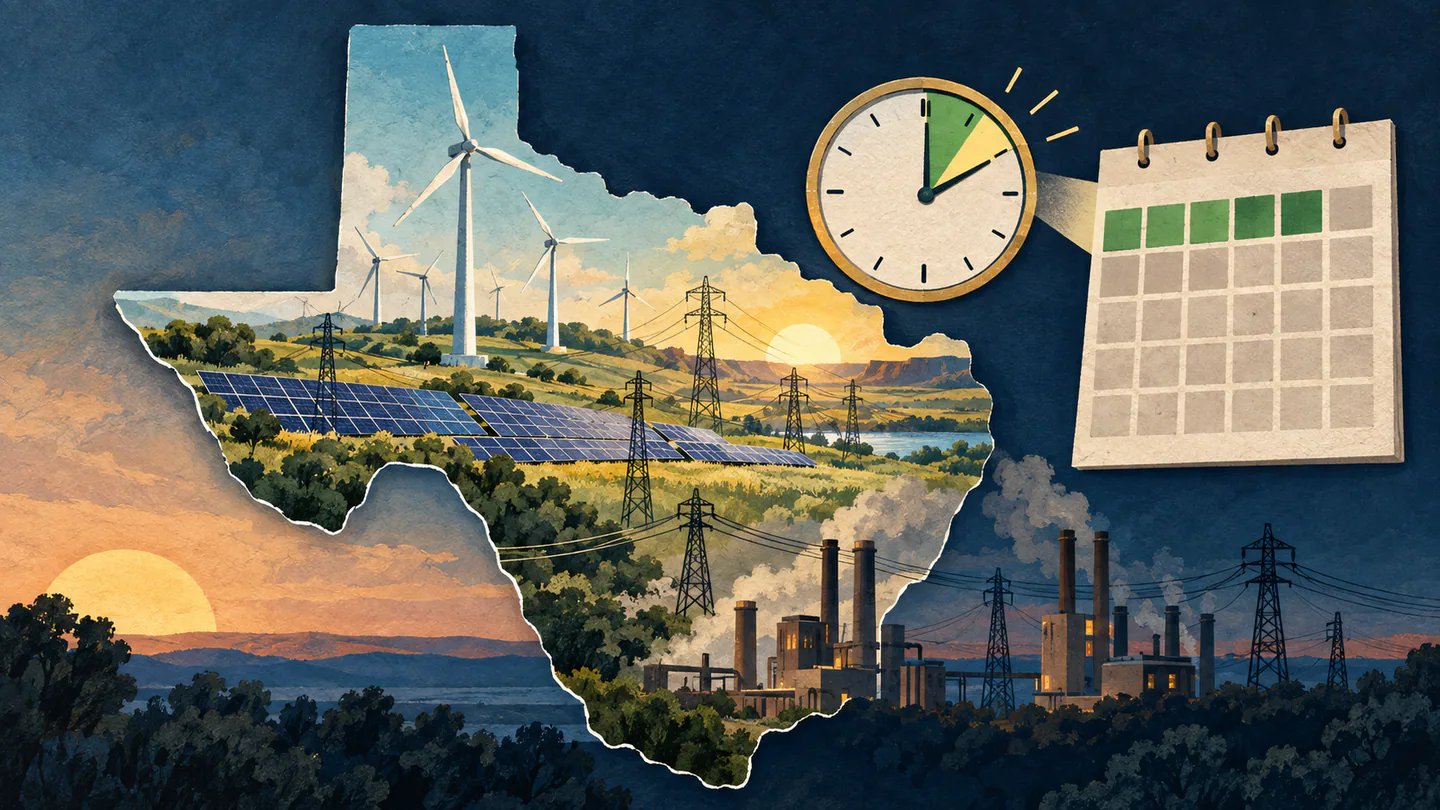
Over the past three years, hyperscale tech developers rushed to secure site leases, ordering multi-gigawatt power allocations across regions governed by regional transmission organizations like PJM Interconnection and ERCOT. However, severe physical shortages of high-voltage step-up transformers, combined with multi-year regional transmission study queues extending past 2030, have disrupted projected commercial operational timelines.
Debt syndicates that previously extended unrated construction loans at razor-thin margins over benchmark SOFR are now requiring fully executed, non-curtailable power interconnection agreements before disbursing mezzanine and senior credit tranches. "The era of financing gigawatt data centers based solely on a speculative power reservation letter is officially over," stated Marcus Vance, head of global infrastructure debt at Vanguard Capital Partners. "If a project does not possess physical copper in the ground and a certified energization date, institutional bondholders are unwilling to take merchant power execution risk."
Surging Transformer Lead Times and On-Site Generation
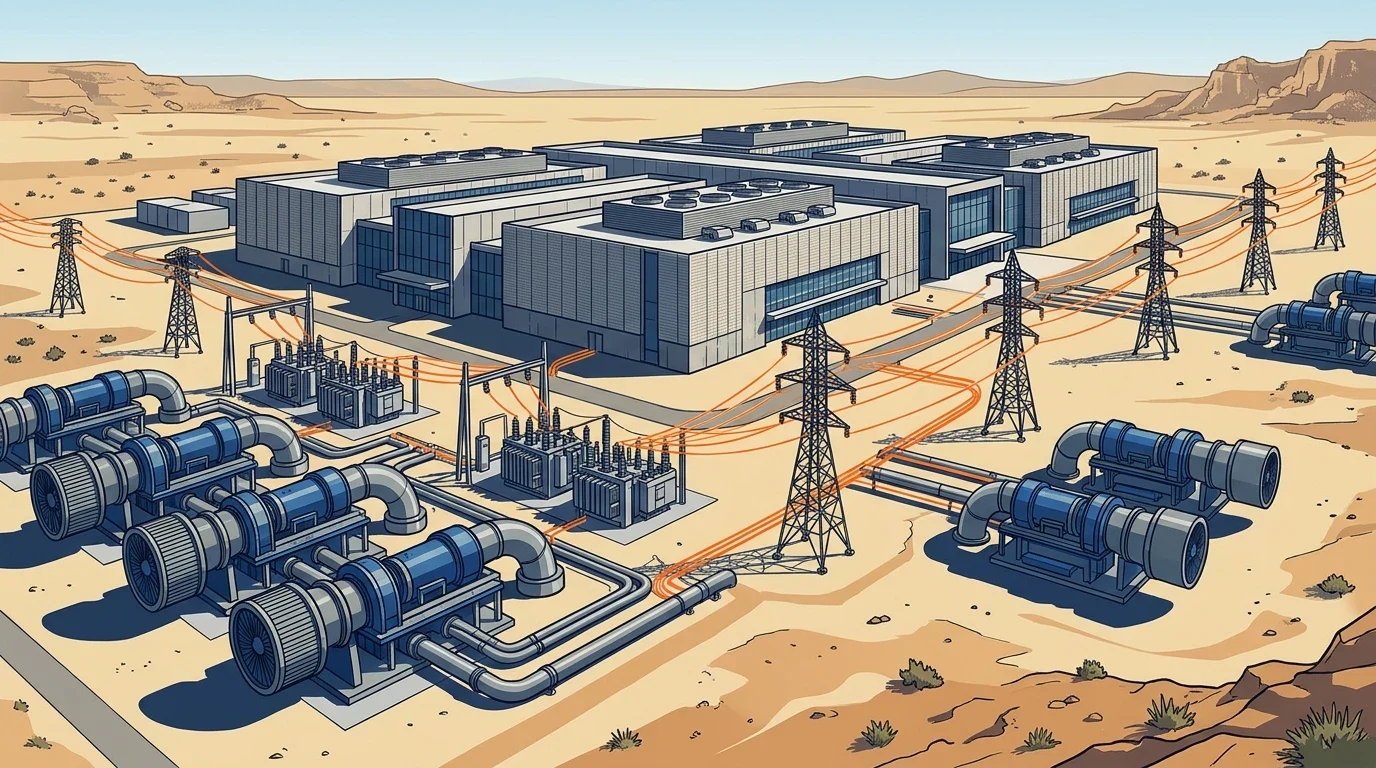
A primary driver of the capital reassessment is the worsening global supply chain for critical substation components. Industry trade data indicates that lead times for large power transformers (LPTs) have stretched to an unprecedented 160 to 210 weeks, with unit prices up nearly 80% since 2023. Consequently, developers attempting to energize campuses without pre-ordered substation inventory face multi-year revenue deferrals while carrying substantial real estate carrying costs.
To overcome grid delays, several prominent development consortiums are pivoting toward behind-the-meter generation solutions, seeking to co-locate modular aeroderivative gas turbines and industrial battery storage units directly on-site. However, these bridge power alternatives carry their own regulatory hurdles, including stringent local air quality permitting limits and rising pipeline tariff surcharges that compress developer profit margins.
Impact on Hyperscaler Capital Expenditure Plans
The tightening in credit conditions is beginning to differentiate well-capitalized tech titans from independent campus developers. Balance-sheet hyperscalers capable of funding multi-billion-dollar infrastructure out of retained cash flows continue to advance dedicated nuclear and renewable power purchase pacts. In contrast, smaller merchant developers reliant on high-yield syndication debt are facing distressed asset sales or entering joint-venture partnerships with regulated regional utilities.
Energy economists observe that while long-term demand for computing infrastructure remains exceptionally robust, the debt market correction serves as a necessary reality check, forcing technology expansion to harmonize with the physical realities and multi-year planning horizons of the North American electric power grid.
Editorial Fact Check & Key Findings
Key points
- Over $28 billion in speculative AI data center debt syndications placed on underwriting hold.
- High-voltage power transformer lead times extended to 160-210 weeks.
- Lenders require executed, non-curtailable interconnection contracts before releasing senior credit.
What the evidence shows
Institutional credit syndicates instituted underwriting freezes on greenfield AI data center developments lacking certified interconnect agreements and physical transformers.
Background and limits
Transmission study queues in PJM and ERCOT and transformer lead times over three years disrupted projected campus completion schedules.
Why this matters
Documented credit syndication data and utility regulatory filings establish infrastructure capital deployment trends.