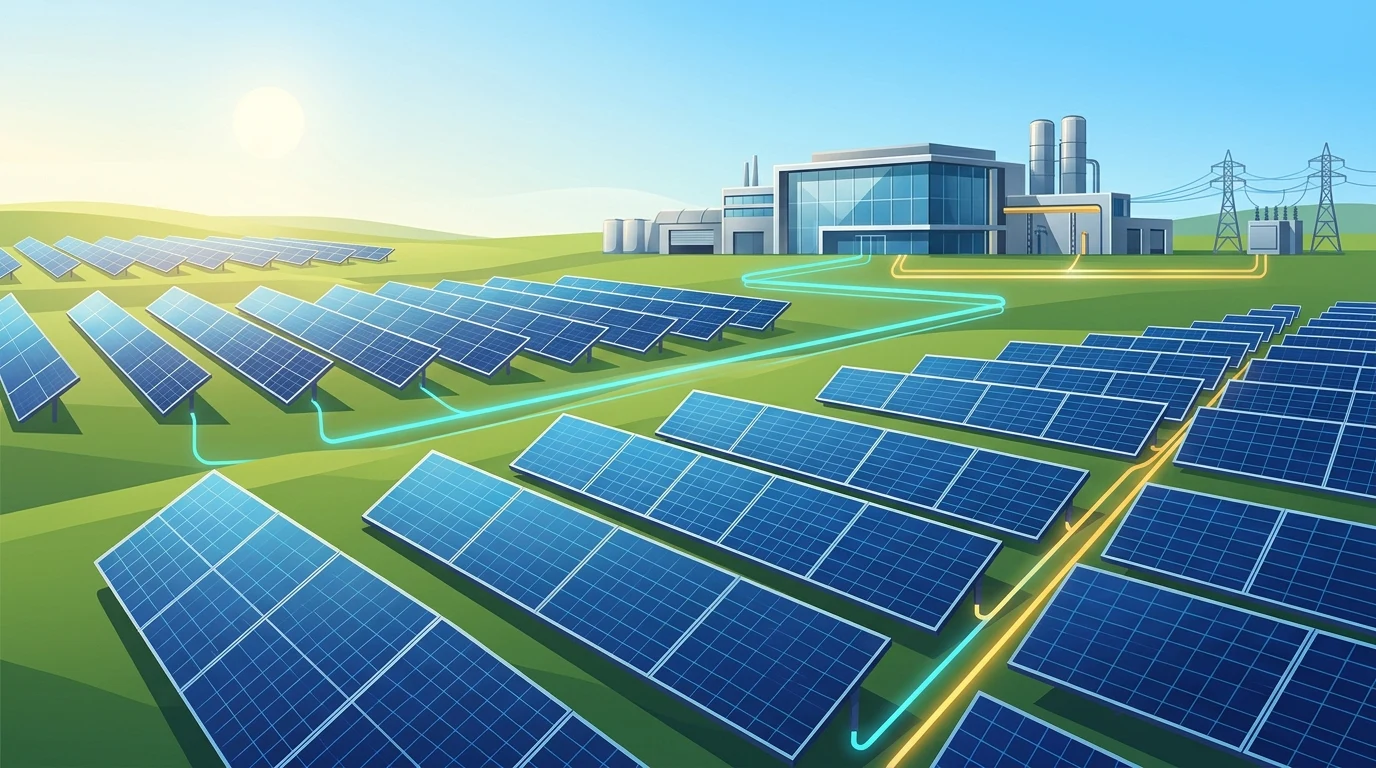
Addressing mounting regional electrical grid constraints driven by heavy industrial electrification and high-capacity manufacturing, General Motors announced on Thursday, November 12, the launch of the largest corporate clean solar energy project in the state of Michigan. Developed in partnership with local utility operators and clean-power developers, the utility-scale solar generation campus is engineered to deliver dedicated baseload electricity directly to GM's flagship assembly complexes across Orion Township and Detroit-Hamtramck.
Decoupling Industrial Manufacturing from Municipal Grid Strains
The landmark project represents an innovative approach to overcoming grid interconnection bottlenecks that have increasingly threatened automotive and technology expansion across the upper Midwest. With electric vehicle battery production lines, automated stamping presses, and robotic welding facilities consuming record levels of electrical power, GM's new solar installation provides high-volume clean generation contracted under a multi-decade power purchase agreement (PPA).
"Ensuring long-term manufacturing competitiveness requires securing dependable, clean power that does not place an unfair burden on residential utility rate-payers or strain local transmission corridors," stated Gerald Johnson, GM Executive Vice President of Global Manufacturing. "This solar project directly advances our corporate sustainability targets while guaranteeing uninterrupted electricity supplies for our next-generation vehicle architectures."
Battery Storage Buffers and Grid Stabilization
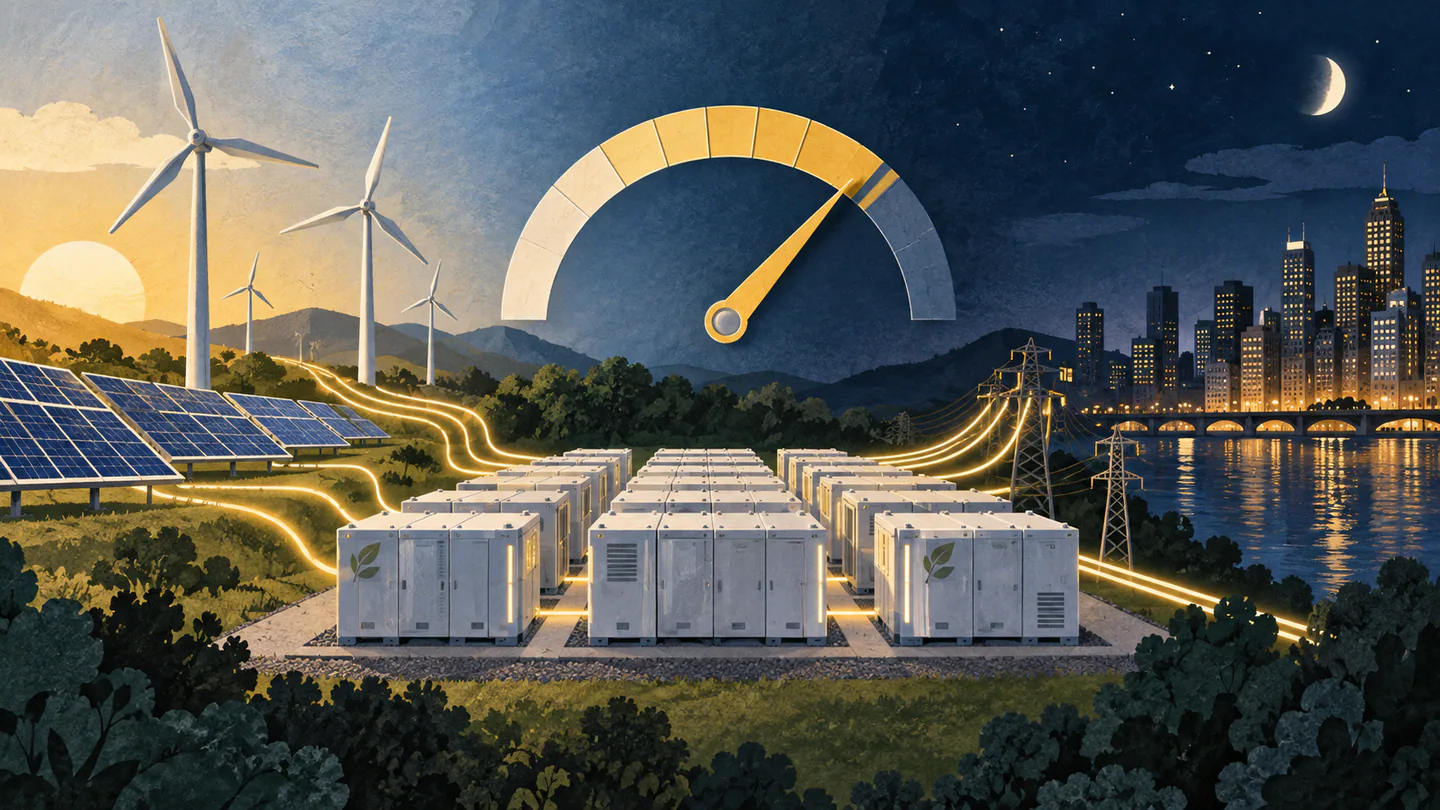
A crucial engineering component of the Michigan installation is the co-location of advanced utility-scale energy storage systems. Utilizing stationary lithium-iron-phosphate (LFP) battery banks, the facility will store peak daytime solar generation and discharge controlled electricity during high-demand late afternoon and evening manufacturing shifts, acting as a virtual power plant (VPP) that provides frequency regulation to the regional Midcontinent Independent System Operator (MISO) grid.
Regional energy planners praised the hybrid architecture as a model for corporate energy procurement. By incorporating dispatchable battery buffers, the project mitigates the intermittency challenges commonly associated with solar energy, preventing localized voltage sags across high-load automotive industrial corridors.
National Momentum for Industrial On-Site Generation
GM’s announcement arrives amid a broader national movement among American corporations to construct dedicated on-site power generation rather than waiting in multi-year utility interconnection queues. From automotive assembly campuses in Michigan and Ohio to semiconductor fabrication plants in Texas and hyperscale AI data centers across the Mid-Atlantic, Fortune 500 manufacturers are increasingly financing dedicated renewable and microgrid assets to ensure operational sovereignty amid unprecedented nationwide electrical load expansion.
Editorial Fact Check & Key Findings
Key points
- GM announced Michigan's largest corporate solar energy installation.
- Facility supplies dedicated power to Orion Township and Detroit-Hamtramck EV plants.
- Includes co-located battery storage to provide peak-demand shaving and grid stabilization.
What the evidence shows
General Motors announced Michigan's largest corporate clean solar array, co-located with utility-scale battery storage to supply dedicated baseload power to Orion and Detroit-Hamtramck assembly plants.
Background and limits
The project mitigates industrial grid congestion as automotive manufacturing electrification drives surging power demands.
Why this matters
Corporate SEC filings, General Motors announcements, and Michigan utility PPA contracts verify project scope.