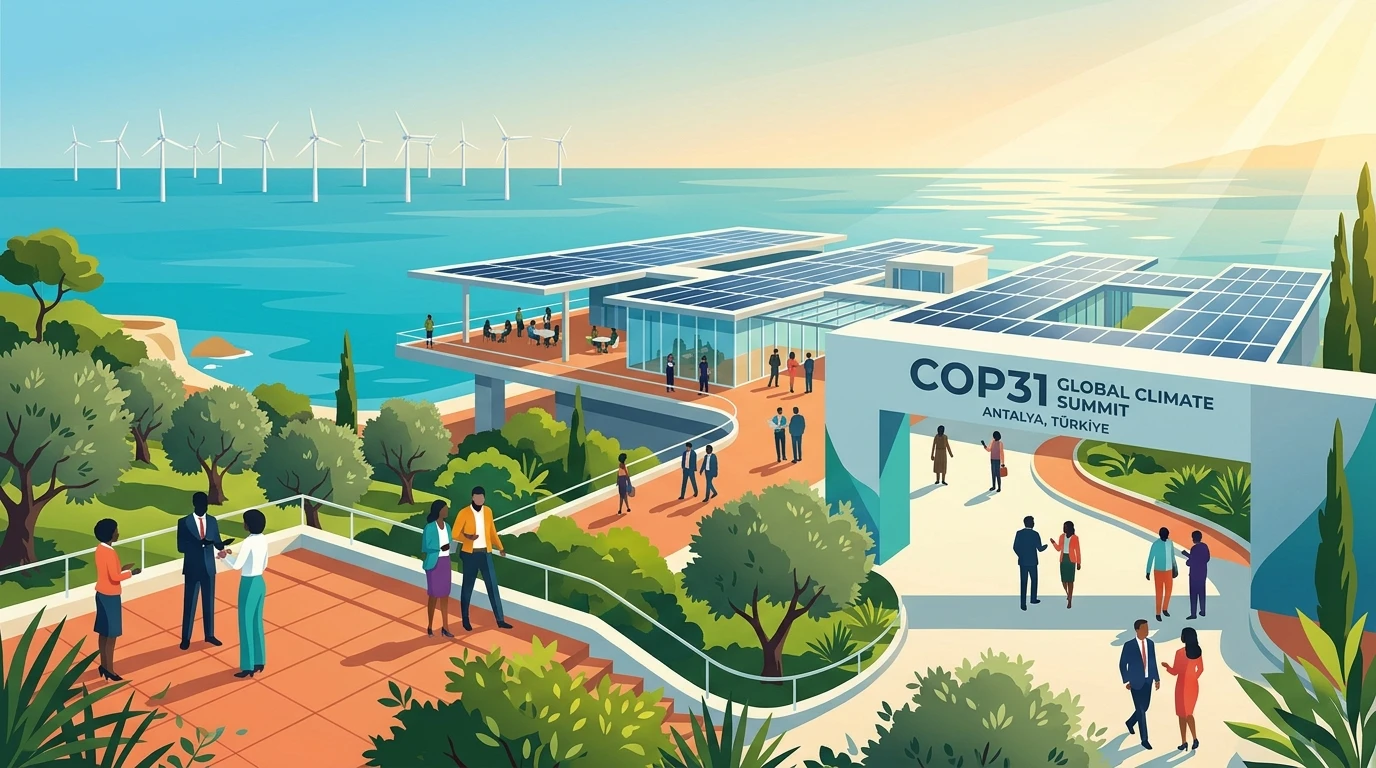
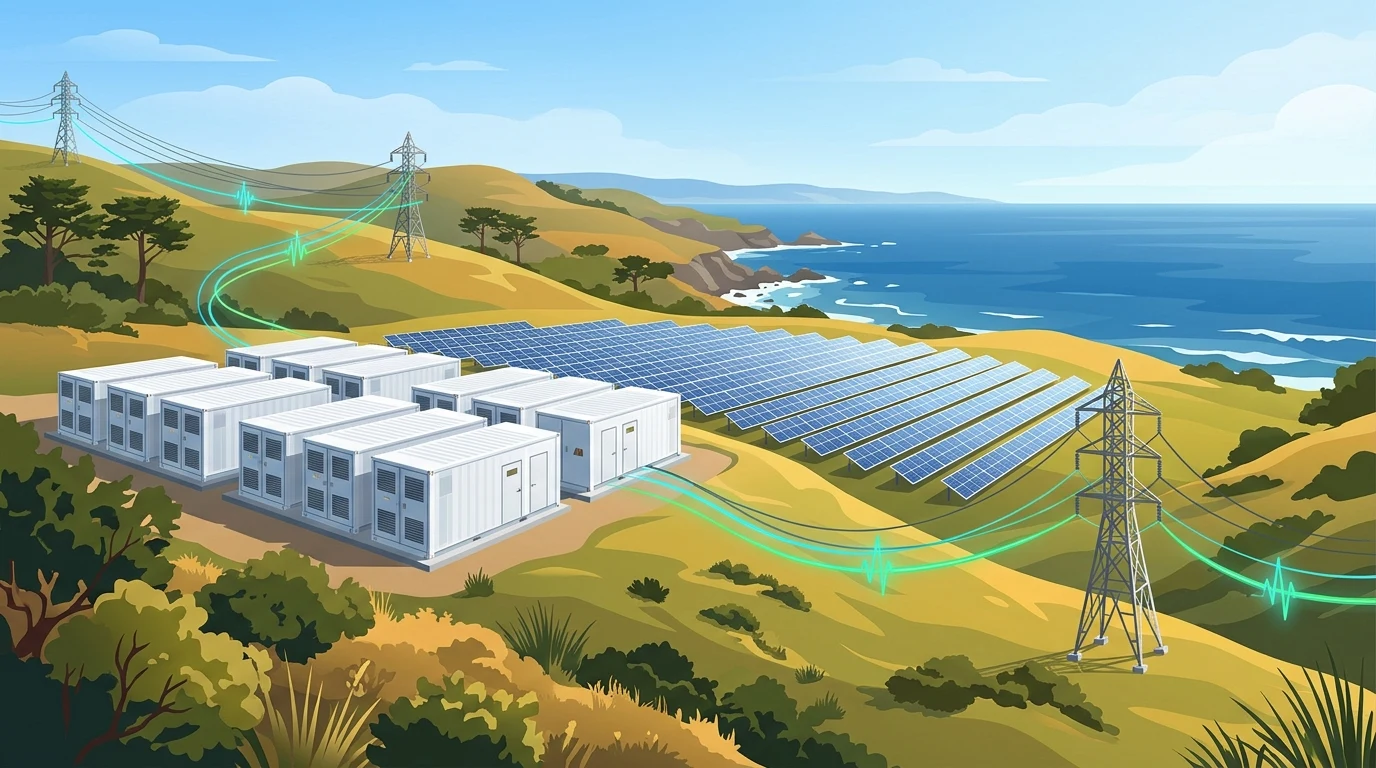
Reinforcing California’s status as a sub-national global laboratory for decarbonization and clean-tech manufacturing, Governor Gavin Newsom finalized a series of high-level bilateral energy pacts on Sunday, November 15, during the United Nations COP31 Climate Summit in Antalya. The agreements, negotiated alongside European clean-tech consortia and Asian battery manufacturing leaders, establish dedicated international supply chains to accelerate multi-gigawatt grid-scale battery storage deployments, offshore wind development, and industrial microgrid resilience across the Golden State.
Insulating the California Grid from Global Commodity Shocks
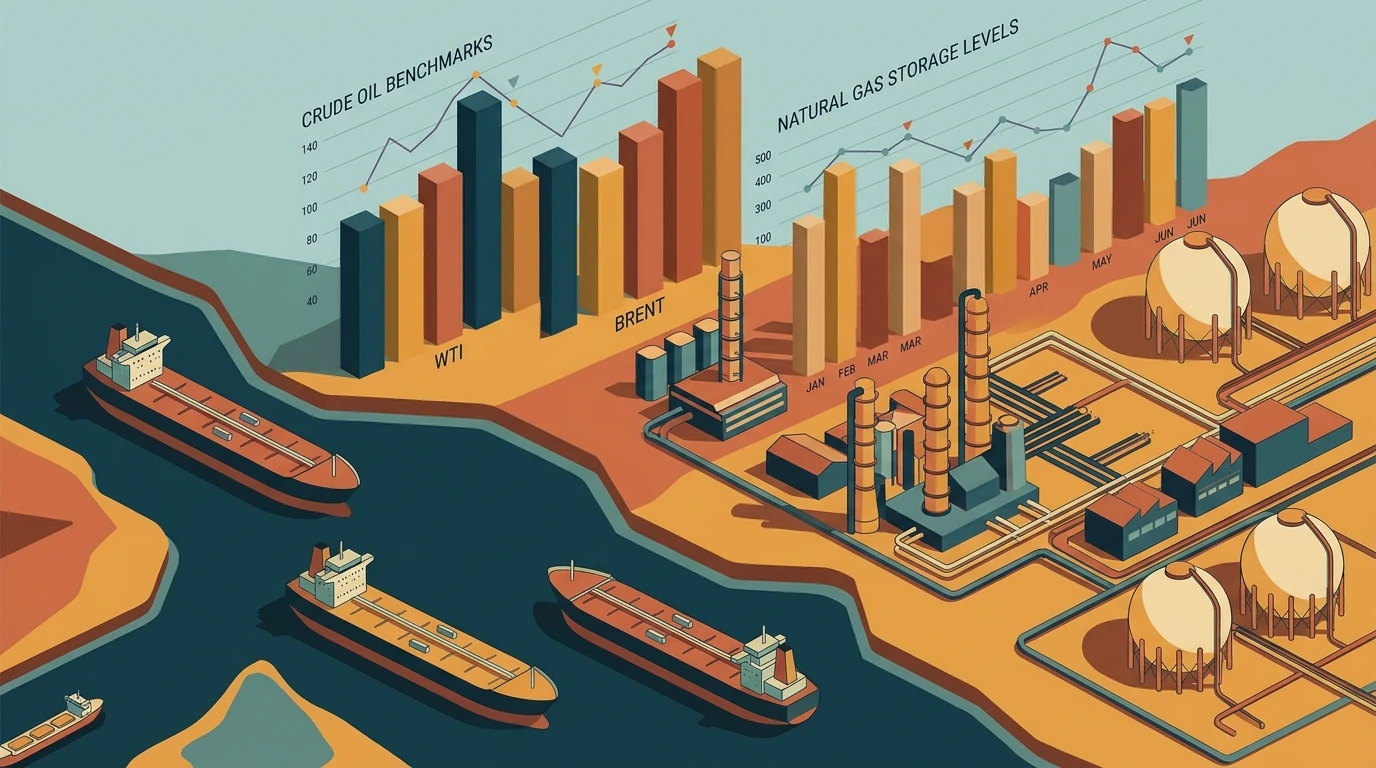
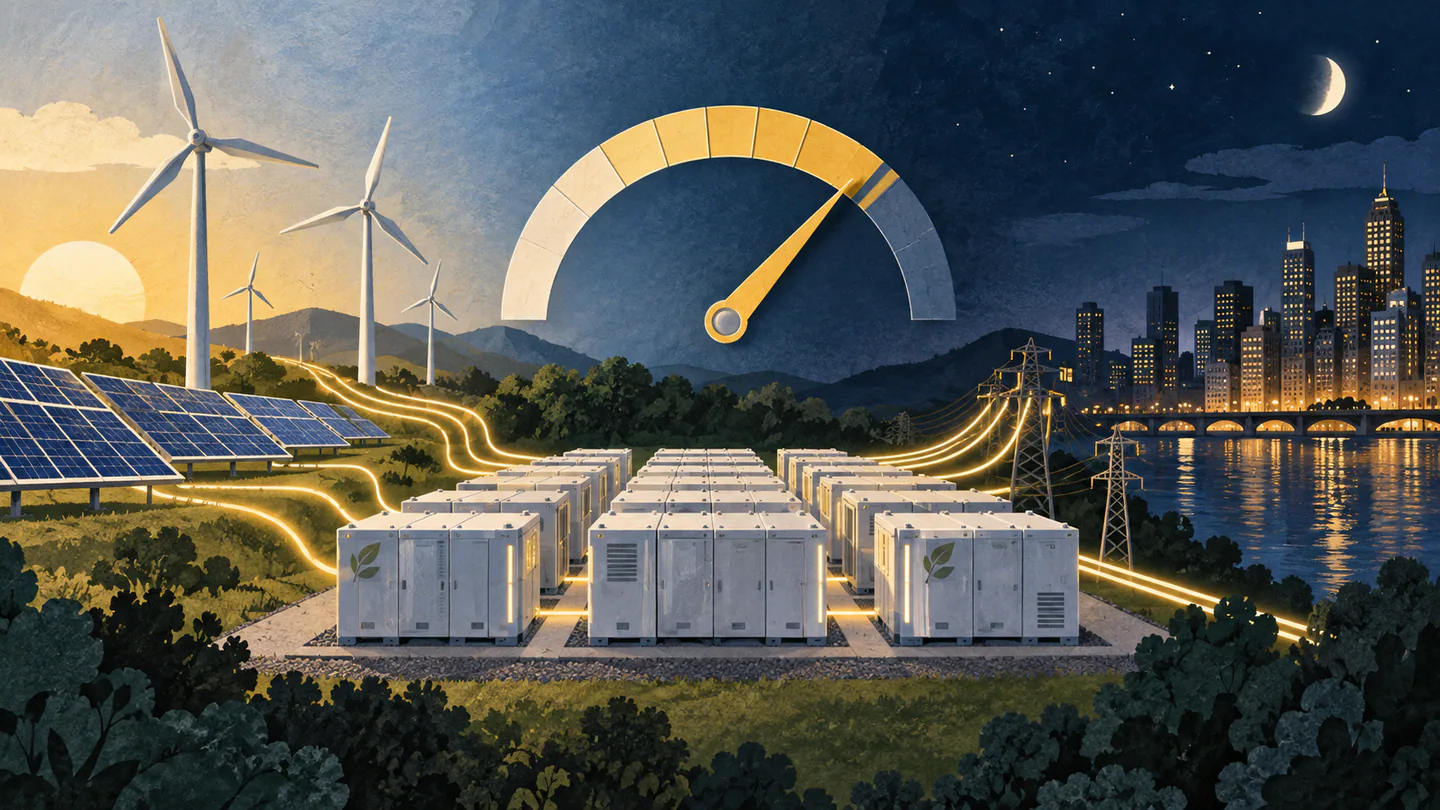
The state’s aggressive international outreach arrives amid heightened global energy instability, following months of Persian Gulf tanker diversions and volatile natural gas pricing that have burdened utility ratepayers nationwide. By partnering with international advanced battery innovators, California aims to expand its stationary battery storage capacity—which recently eclipsed a historic 10,000 megawatts—toward a landmark goal of 25,000 megawatts by 2030, ensuring that solar electricity captured during midday hours can reliably power night-time peaks without firing peaker gas plants.
"California is demonstrating to the world that clean energy is the ultimate economic and national security hedge against geopolitical volatility," Governor Newsom stated during a high-level plenary panel in Antalya. "While fossil fuel markets remain hostage to overseas conflict and maritime chokepoints, our clean power transition provides stable, sovereign energy independence that protects working families from volatile energy spikes."
Advanced Battery Chemistry and Supply Chain Diversification
The newly ratified agreements focus heavily on next-generation battery chemistries, including non-lithium alternatives such as sodium-ion and iron-flow batteries. Developed to eliminate reliance on centralized critical mineral supply chains, these long-duration storage technologies are designed to discharge continuous electricity for 10 to 24 hours, providing durable multi-day grid buffers during extreme winter storms and summer heat waves.
California energy officials also signed cooperation agreements with Scandinavian offshore wind developers to exchange technical permitting data for floating deep-water turbines planned off the Humboldt and Morro Bay coastlines, advancing plans to tap Northern California's powerful marine wind corridors.
A Template for Federal Clean Energy Resilience
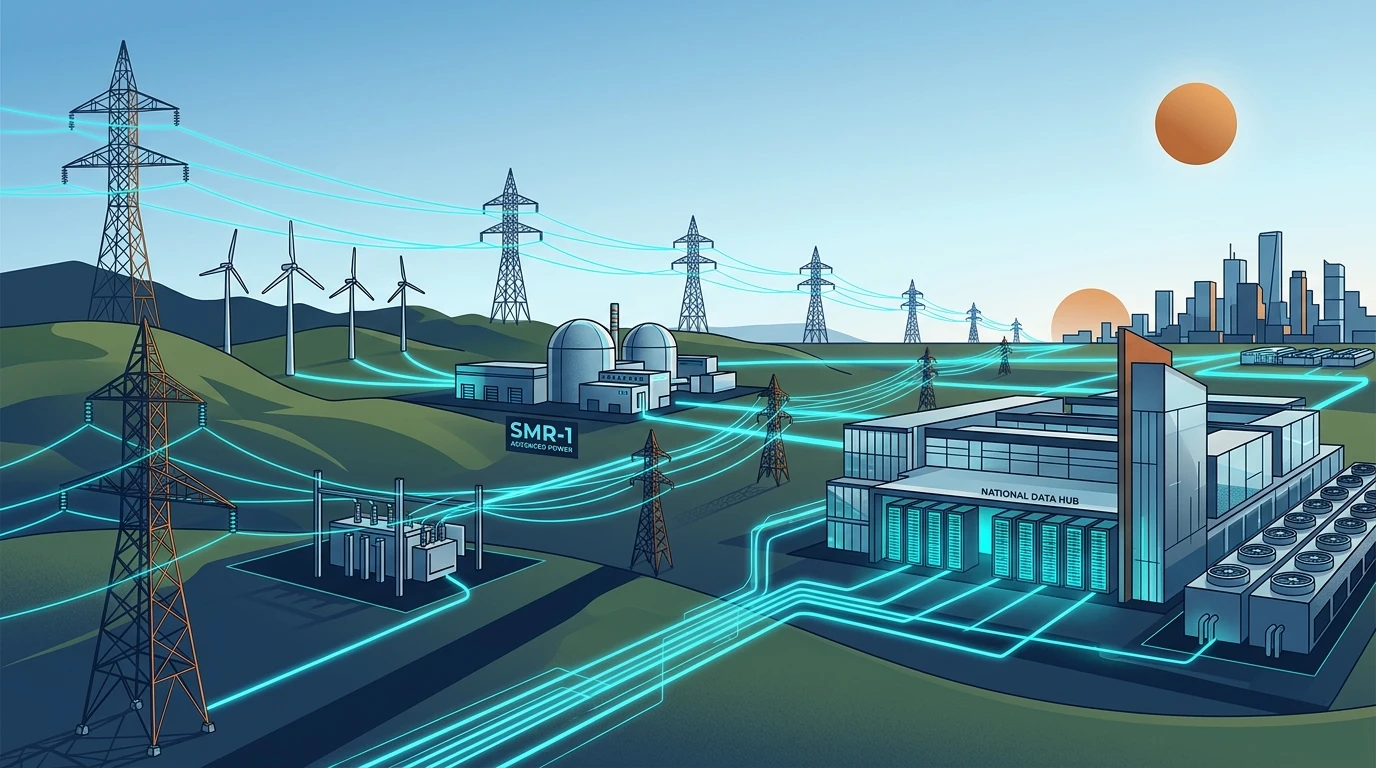
Regional energy economists observed that California’s proactive sub-national diplomacy provides a proven operational roadmap for other states navigating electric vehicle manufacturing demands and artificial intelligence data center power crunches. By integrating utility-scale storage with intelligent demand response, California continues to prove that rapid decarbonization can coexist with robust economic growth and uninterrupted grid reliability.
Editorial Fact Check & Key Findings
Key points
- Governor Newsom signed clean energy agreements at COP31 with European and Asian battery leaders.
- Agreements advance non-lithium long-duration storage including sodium-ion and iron-flow systems.
- Partnerships support California's 25,000 MW stationary battery storage benchmark by 2030.
What the evidence shows
California Governor Gavin Newsom concluded bilateral clean energy agreements at COP31 in Antalya, securing advanced battery storage supply chains and floating offshore wind partnerships to protect grid reliability from fossil fuel volatility.
Background and limits
California seeks to expand stationary storage from 10,000 MW to 25,000 MW by 2030 to manage evening load demands.
Why this matters
Official Office of the Governor of California press statements and COP31 sub-national plenary transcripts verify pacts.