
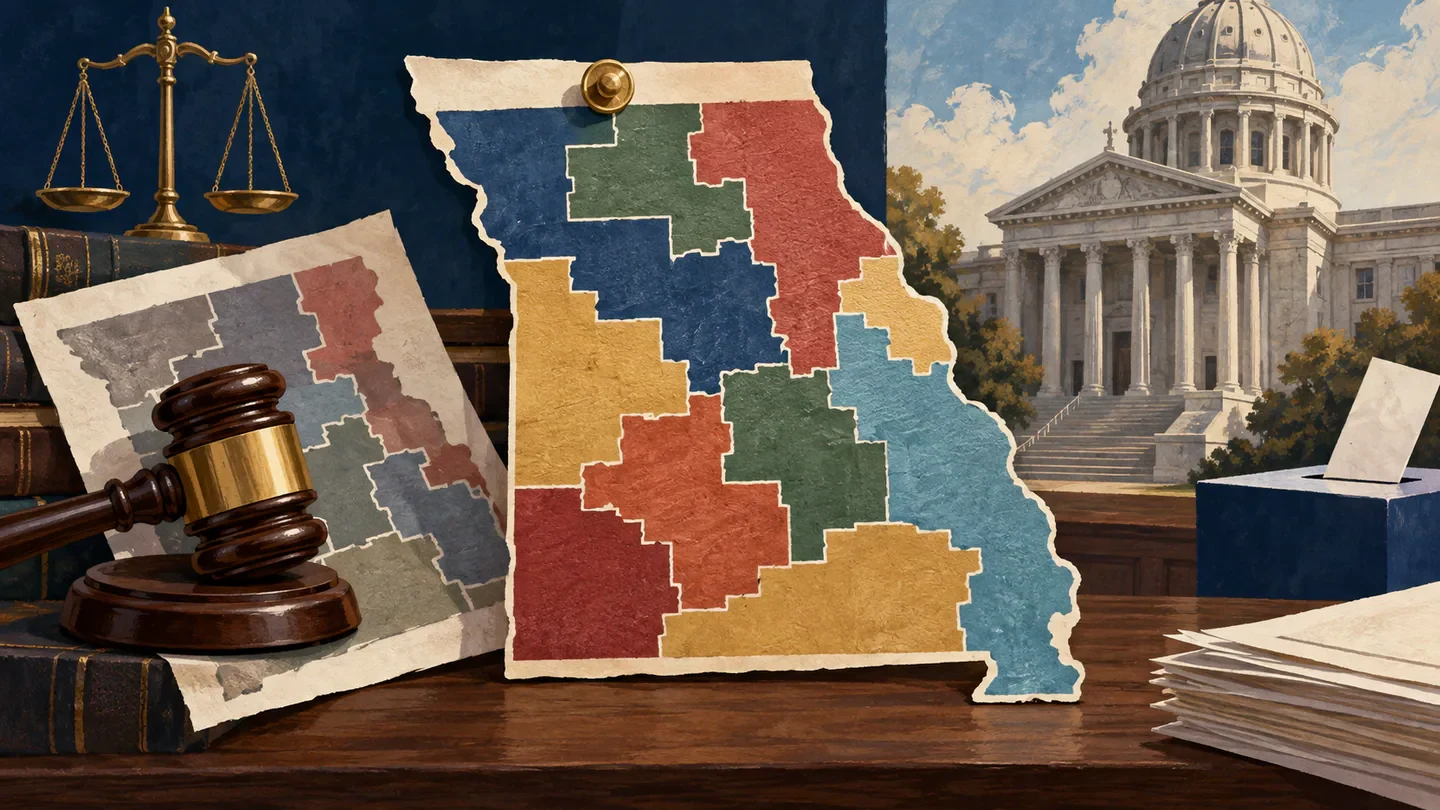
For any governing administration, the immediate aftermath of a midterm election defeat is a season of profound psychological temptation. When voters turn out in decisive numbers to strip a party of its congressional majorities, the instinct inside the West Wing is rarely humble introspection. Instead, presidents routinely reach for the most intoxicating tool in the constitutional arsenal: the executive order. Yet as a flurry of scathing federal court rulings demonstrated over the past week—striking down unilateral land redesignations, blocking aggressive financial enforcement maneuvers, and halting hasty administrative reallocations—the rule of law remains an unyielding bulwark against executive overreach.
The Illusion of the Imperial Pen
The doctrine of executive preemption has become Washington’s favorite constitutional shortcut. Unable or unwilling to negotiate difficult bipartisan compromises with an empowered congressional opposition, chief executives increasingly govern as though Article I of the Constitution were an advisory footnote. Sweeping policy transformations—from radical trade tariff waivers to contentious civil service restructurings—are enacted by signature, bypassing the deliberative friction intentionally designed into the American legislative republic.
This governing style is not merely constitutionally suspect; it is profoundly unstable. Policy built entirely upon executive orders is written in sand, vulnerable to immediate injunctions by federal district judges and certain to be erased by the next occupant of the Oval Office. When courts repeatedly remind the executive branch that statutory authority cannot be conjured out of administrative wishful thinking, they are not engaging in judicial activism; they are restoring the constitutional architecture that protects citizens from arbitrary rule.
Respecting the Message of Divided Government
The American electorate did not divide control of Washington by accident. The 2026 midterms delivered a clear, unvarnished rebuke to unconstrained governance. Voters demanded that their elected leaders stop treating public policy as a zero-sum war of unilateral edicts and begin addressing the everyday economic anxieties—inflation, infrastructure decay, healthcare access—that affect families across every zip code.
Attempting to govern around the incoming Congress through aggressive executive maneuvers merely poisons the well of governance before the new legislative session begins. It guarantees two years of scorched-earth subpoena battles, funding stalemates, and permanent administrative paralysis. The measure of genuine presidential leadership is not how many orders can be signed without congressional consent; it is the capacity to build durable, bipartisan consensus that commands the enduring confidence of the American public.
The Path Back to Constitutional Equilibrium
Divided government is not a constitutional failure; it is an institutional invitation to maturity. Lawmakers and administration officials who recognize this reality and accept the voters' verdict will find opportunities to forge lasting achievements on infrastructure modernization, healthcare access, and technological innovation. Those who persist in the fantasy of executive omnipotence will find their ambitions repeatedly dismantled by federal gavels and discarded by history.
Editorial Fact Check & Key Findings
Key points
- Examines federal court rulings striking down unilateral executive orders in November 2026.
- Analyzes the constitutional friction between executive preemption and divided government.
- Argues that durable public policy requires bipartisan legislative consensus rather than administrative decree.
What the evidence shows
An incisive political commentary examining recent federal court rebukes against sweeping executive orders, arguing that unilateral administrative preemption cannot bypass the constitutional authority of an empowered divided Congress.
Background and limits
The piece addresses federal court rulings invalidating executive actions following the 2026 midterm election results.
Why this matters
Constitutional analysis grounded in documented Article I separation-of-powers jurisprudence and federal court dockets.