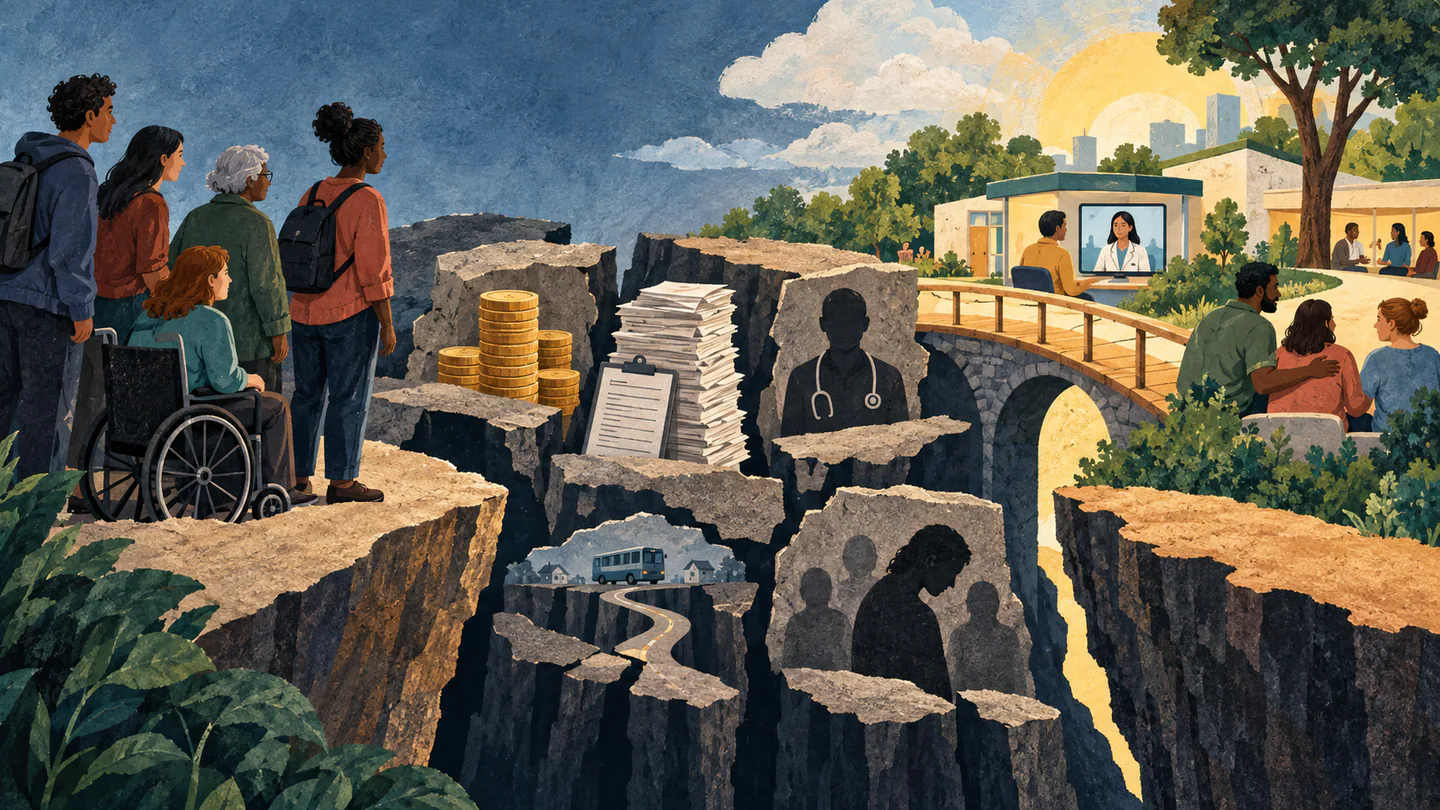
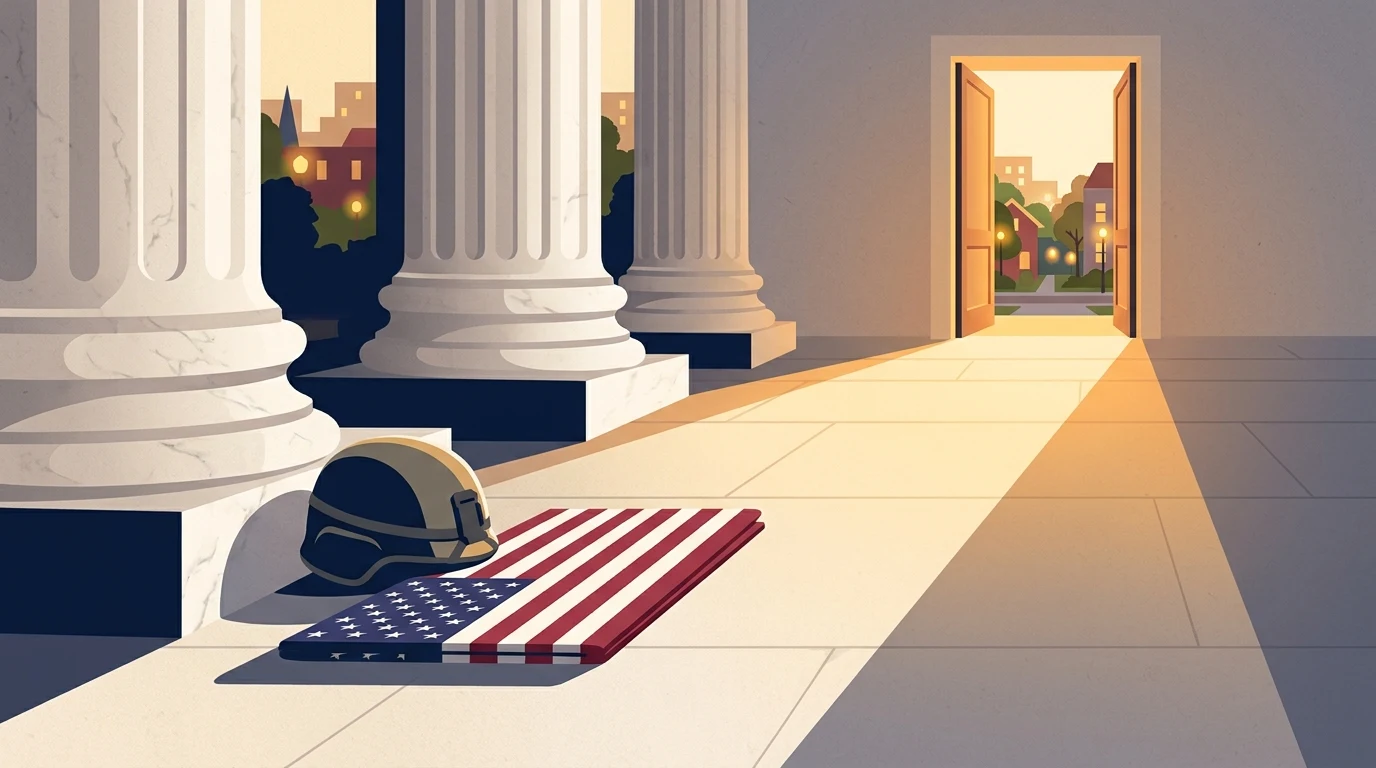
Across the nation on Wednesday, November 11, civic plazas filled with marching bands, schoolchildren waved miniature flags, and political dignitaries laid wreaths at solemn granite memorials—including President Donald Trump’s morning remarks at Arlington National Cemetery and Cabinet announcements inaugurating the Gold Star Trails Program across federal lands. Yet once the ceremonial bugles fall silent and parade barriers are stacked away for another year, a far quieter, more urgent reality persists inside thousands of military households: the profound structural chasm separating active-duty service from civilian stability.
Ceremonial Gratitude Versus Tangible Reintegration
Americans have rightfully honed the art of public patriotism over the past two decades. Retail discounts, airport boarding privileges, and bipartisan speeches celebrating "our heroes" have become ubiquitous November staples. However, sociologists and veteran advocacy researchers increasingly warn that performative applause often masks growing societal detachment. With fewer than seven percent of living Americans having served in uniform, civilian communities routinely admire service members from afar while remaining largely insulated from the protracted psychological and economic burdens of modern military transitions.
Research released this week underscores that the single most acute vulnerability facing newly separated service members is neither battlefield injury nor basic job scarcity—it is chronic social isolation. Transitioning from deeply structured unit cohesion into fragmented civilian neighborhoods frequently leaves young veterans navigating silent battles with dislocation, identity loss, and fragmented healthcare bureaucracy.
Closing the Bureaucratic and Employment Chasm
Meaningful stewardship demands transforming Veterans Day from a passive holiday into an annual audit of institutional performance. While federal agencies such as Agriculture and Veterans Affairs appropriately touted expanded hiring pipelines and Gold Star memorial trails on Wednesday, persistent challenges continue to stall military families. Military spouses still suffer unemployment rates multiples higher than national averages due to state occupational licensing friction, while tens of thousands of qualified medics, aviation technicians, and logistics specialists struggle to translate military credentials into civilian trade certifications.
Simultaneously, rural veterans face daunting geographic deserts in behavioral healthcare. Bridging these gaps does not require grandiose partisan rhetoric; it demands sustained investments in peer-mentorship networks, expedited interstate licensing reciprocity, and community-anchored transition centers that welcome families long before discharge papers are stamped.
Rebuilding Shared Civic Stewardship
Ultimately, honoring those who bore the nation's uniform requires meeting them as neighbors, colleagues, and full participants in civic life rather than distant archetypes. When cities, universities, and private employers build intentional pathways that sustain camaraderie beyond military bases, the gratitude expressed on November 11 finally matches the enduring weight of service.
Editorial Fact Check & Key Findings
Key points
- Examines social isolation and unemployment facing recently transitioned service members.
- Highlights the gap between federal ceremonies and interstate licensing barriers for military spouses.
- Calls for community-anchored peer mentorship beyond November 11 commemorations.
What the evidence shows
Marking November 11 Veterans Day ceremonies, this editorial argues that honoring military families requires resolving occupational licensing friction, social isolation, and rural mental healthcare deserts.
Background and limits
Coincides with Arlington National Cemetery ceremonies and federal launches of the Gold Star Trails Program.
Why this matters
Policy commentary grounded in documented military transition data, VA labor statistics, and federal Veterans Day announcements.