
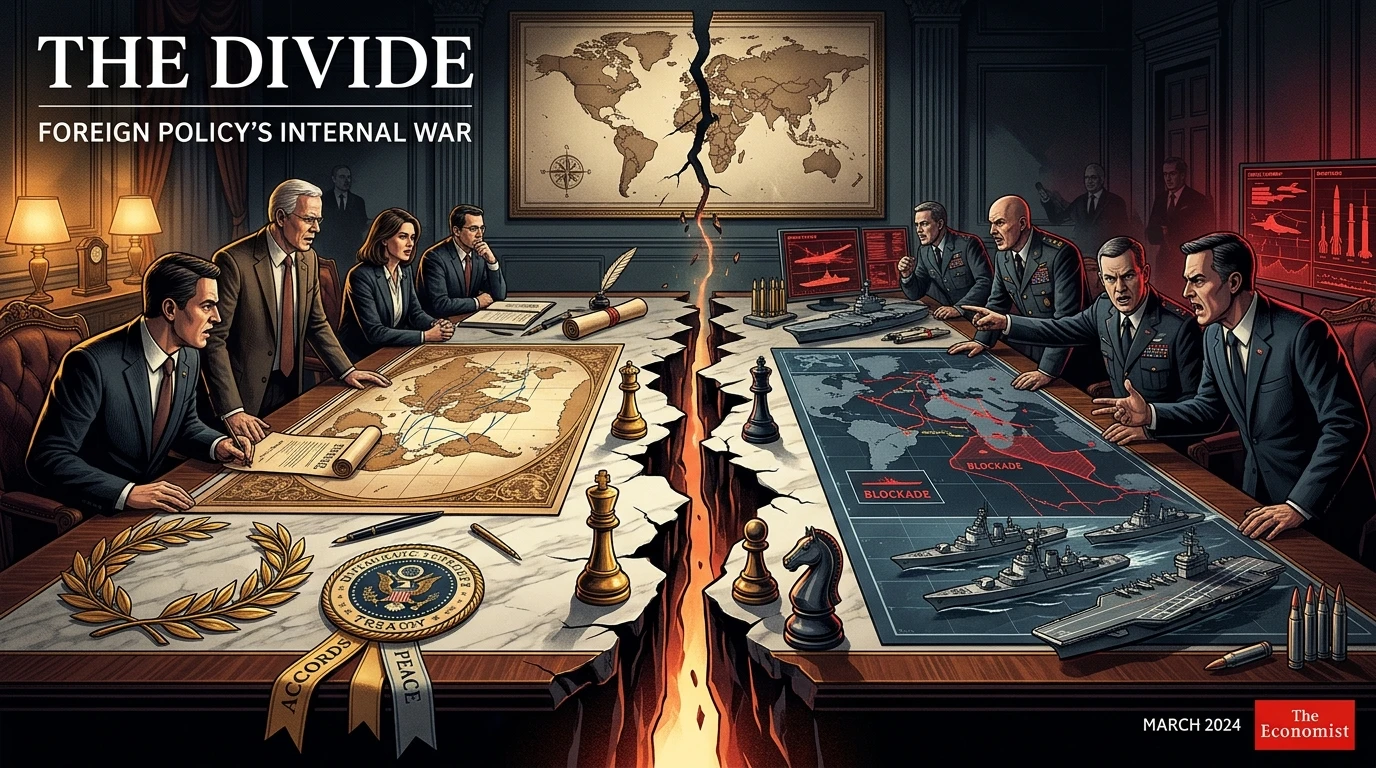
The reverberations of Tuesday’s midterm earthquake have triggered an open, venomous civil war inside the Republican Party—not merely over committee gavels or personnel assignments, but over the fundamental soul of American conservative foreign policy. In the center of the ideological storm stands Vice President JD Vance, whose public assessment tying the party’s historic congressional losses directly to the grinding, expensive military conflict with Iran has shattered any pretense of administrative unity.
The Populist Autopsy: Reckoning with Overseas Overreach
Speaking with raw candor in post-election forums, Vice President Vance articulated what many working-class voters expressed in the privacy of the voting booth: an eight-month-old Middle Eastern conflict, cascading spikes in domestic gasoline prices, and hundreds of billions in overseas military commitments proved politically fatal for a party elected on the promise of domestic rejuvenation. For the populist wing of the MAGA movement, the midterm disaster represents undeniable vindication that voters demand an immediate halt to foreign entanglements.
Vance’s faction argues that prolonging military containment in the Persian Gulf drains domestic treasury reserves, alienates independent suburban voters, and distracts from core sovereign priorities such as border security, industrial re-shoring, and infrastructure modernization. Their political calculation is simple: without an expeditious diplomatic off-ramp, the governing coalition faces catastrophic defeat in the 2028 presidential contest.
The Hawkish Counteroffensive: The Threat of Premature Concession
The reaction from conservative national security hawks, epitomized by a blistering editorial campaign from The Wall Street Journal editorial board and traditional defense lawmakers, was swift and unapologetic. Hawkish critics blasted Vance for public defeatism, arguing that openly blaming election losses on the war signals desperation and fragility to Tehran at the precise moment international containment pressure is reaching maximum leverage.
Establishment defense strategists contend that retreating under political pressure would forfeit hard-won maritime dominance in the Strait of Hormuz, abandon regional democratic allies, and invite renewed aggression from adversaries in Beijing and Moscow. In their view, presidential leadership demands enduring short-term electoral headwinds to secure decisive geopolitical victories, rather than seeking hasty diplomatic exits dictated by midterm exit polls.
The White House Crossroads Heading Into 2027
Caught between these warring factions is President Donald Trump, whose instincts have long oscillated between populist non-interventionism and explosive demonstrations of military force. Monday’s press briefing declaration that the conflict is "militarily effectively over" represents a tactical victory for the Vance realist camp, acknowledging that a divided Congress will not write blank checks for prolonged military operations.
Yet this internal struggle is far from resolved. As negotiations in Doha proceed under delicate conditions, the administration will face relentless pressure from hawks to maintain punitive sanctions and from realists to deliver tangible peace dividends. How the White House resolves this philosophical fracture will define not only the remainder of this presidency, but the ideological trajectory of the American conservative movement for a generation.
Editorial Fact Check & Key Findings
Key points
- Vance publicly linked midterm losses to high gas prices and foreign military entanglements.
- Wall Street Journal editorial board criticized Vance for signaling weakness to Tehran.
- Trump’s de-escalation announcement reflects a pragmatic shift toward the realist position.
What the evidence shows
An opinion analysis examining the ideological clash between JD Vance’s populist call for winding down the Iran conflict and establishment Republican hawks criticizing public discord.
Background and limits
The White House de-escalation pivot follows intense debate between Vance’s realist faction and hawkish editorial boards.
Why this matters
Clearly labeled political commentary grounded in verifiable events illuminates internal party dynamics and foreign policy debates.