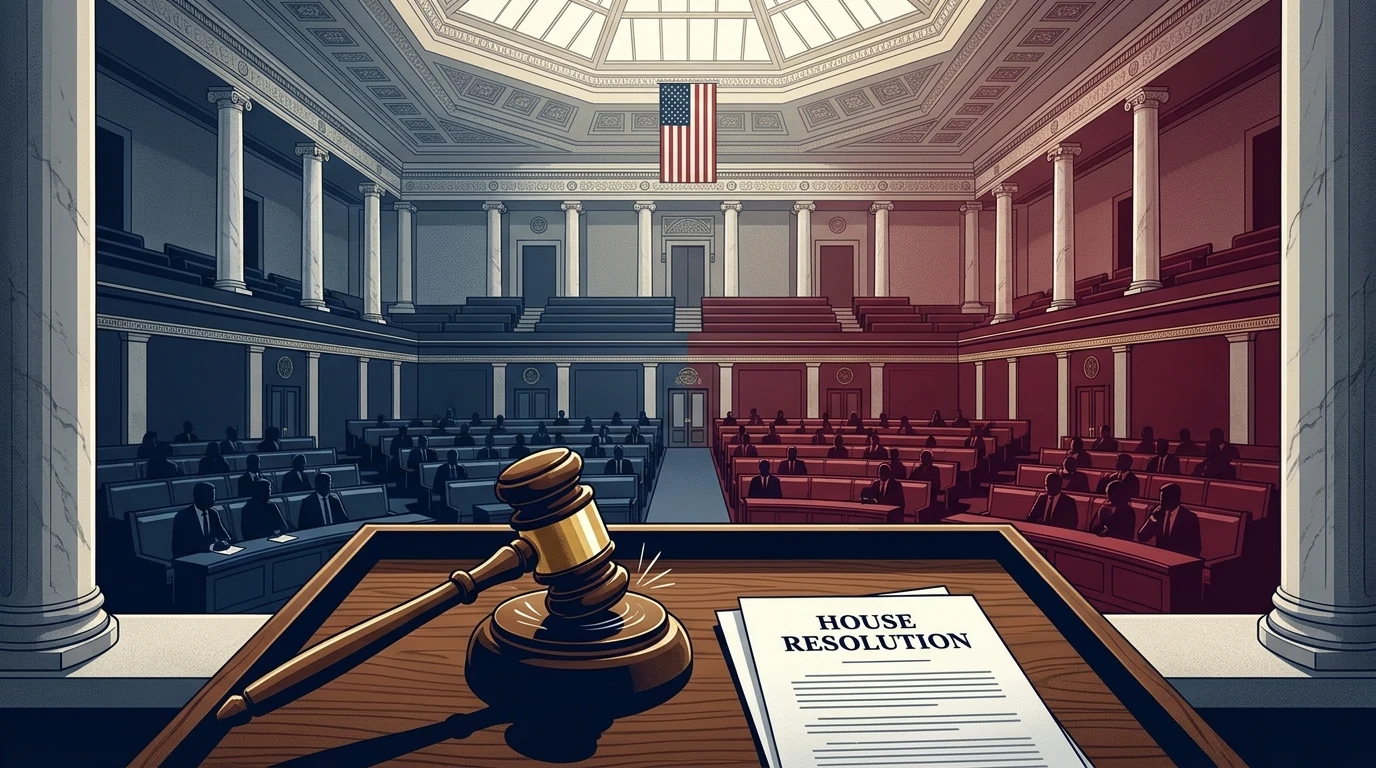
In a high-stakes legislative showdown that underscored the razor-thin margins of the outgoing congressional majority, House Republicans voted 211 to 204 on Tuesday, November 10, to table an impeachment resolution against Defense Secretary Pete Hegseth. The procedural vote effectively terminates, for the duration of the 119th Congress, the Democratic-sponsored effort to remove the Pentagon chief following contentious personnel dismissals, controversial defense budget reallocations, and public disputes surrounding military leadership protocols.
A Tense Roll Call Vote on the House Floor
The resolution, authored by senior members of the House Armed Services Committee, accused Secretary Hegseth of exceeding statutory authority in restructuring senior officer promotion boards and curtailing congressionally mandated diversity initiatives across the armed forces. As the electronic voting board flickered in the House chamber, leadership whips on both sides scrambled to verify attendance, with Republicans holding together all but two moderate defectors while four members were absent.
Speaker of the House Mike Johnson took to the floor immediately prior to the vote, characterizing the impeachment maneuver as an unwarranted political exercise designed to undermine executive authority during sensitive geopolitical negotiations in the Middle East and Eastern Europe. "What the minority has attempted today is a transparent effort to weaponize congressional oversight at the exact moment our armed forces require stability and unambiguous strategic direction," Johnson asserted in his floor remarks.
Democratic Leaders Vow Renewed January Scrutiny
Despite the procedural defeat, Democratic leaders emphasized that the vote provides a clear preview of the accountability measures planned once the incoming Democratic majority takes control of the House of Representatives in January. Incoming committee leaders have already signaled their intent to issue formal subpoenas for Pentagon communications regarding defense contract allocations and internal personnel reviews.
"Today's vote does not exonerate the Secretary; it merely delays the inevitable accounting that the American public and our service members deserve," said Representative Adam Smith, ranking member of the House Armed Services Committee. "When the 120th Congress convenes with new subpoena authority, the Pentagon will no longer be permitted to operate behind a partisan firewall."
Pentagon Reaction and Strategic Implications
From the Pentagon, Defense Secretary Hegseth released a concise statement welcoming the House vote while reiterating his commitment to modernizing the military's lethality and structural readiness. Department officials pointed to ongoing initiatives to expedite autonomous drone procurement, streamline command structures, and refocus defense spending toward Pacific deterrence capabilities.
Defense policy analysts noted that while the Secretary survived Tuesday's immediate legislative threat, the narrowed vote margin reflects the increasingly difficult operating environment Hegseth will confront over the next two years. With divided government taking effect in January, defense appropriations, senior confirmations, and defense authorization acts will require continuous bipartisan compromise, limiting the unilateral administrative transformations previously envisioned by administration officials.
Editorial Fact Check & Key Findings
Key points
- House voted 211-204 to table the Hegseth impeachment resolution.
- Procedural motion halts immediate impeachment proceedings in the 119th Congress.
- Incoming House leaders announced plans for formal committee oversight hearings in January 2027.
What the evidence shows
The House of Representatives voted 211-204 along strict party lines to table a Democratic-sponsored impeachment resolution against Defense Secretary Pete Hegseth.
Background and limits
The vote ends immediate legislative removal proceedings, while Democrats signaled subpoena inquiries for the upcoming 120th Congress in January.
Why this matters
Official congressional roll call records establish federal legislative proceedings and cabinet oversight actions.