In the annals of modern American corporate drama, few episodes will rival the extraordinary eleven days in November 2026 that saw Jensen Huang resign from the helm of Nvidia, trigger a near-vertical liquidation of global equity markets, and then triumphantly reclaim his executive throne following backchannel diplomacy with the President of the United States. While Wall Street celebrated Monday’s 30% stock surge with ecstatic euphoria, serious technological and political observers should view this whiplash with deep, abiding disquiet.
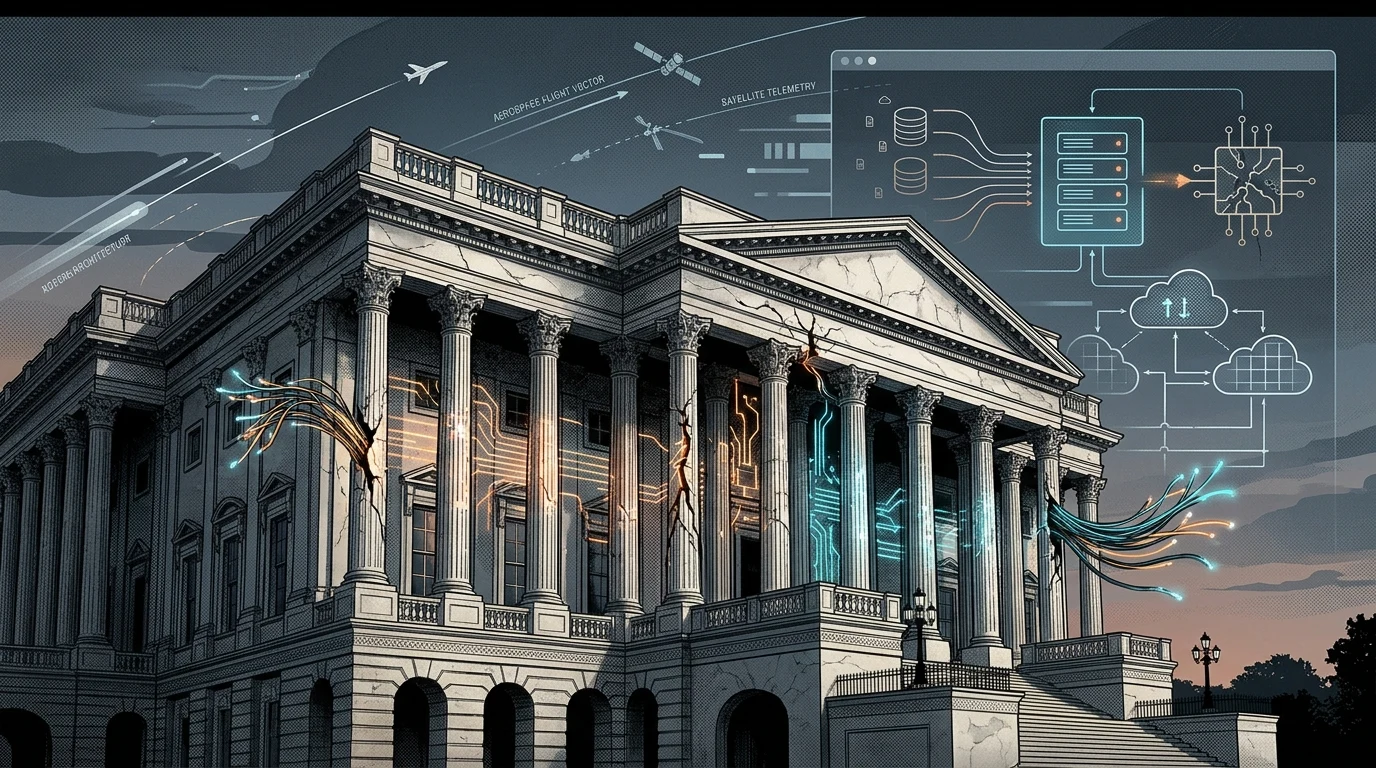
What unfolded over the past fortnight was neither a standard boardroom squabble nor a garden-variety executive succession failure. It was a raw, visceral exposure of the profound, systemic fragility underpinning the modern technological empire: that the multi-trillion-dollar artificial intelligence revolution is held hostage by the precarious intersection of sovereign state power and a single, irreplaceable corporate individual.
When Silicon Becomes Sovereign Munitions
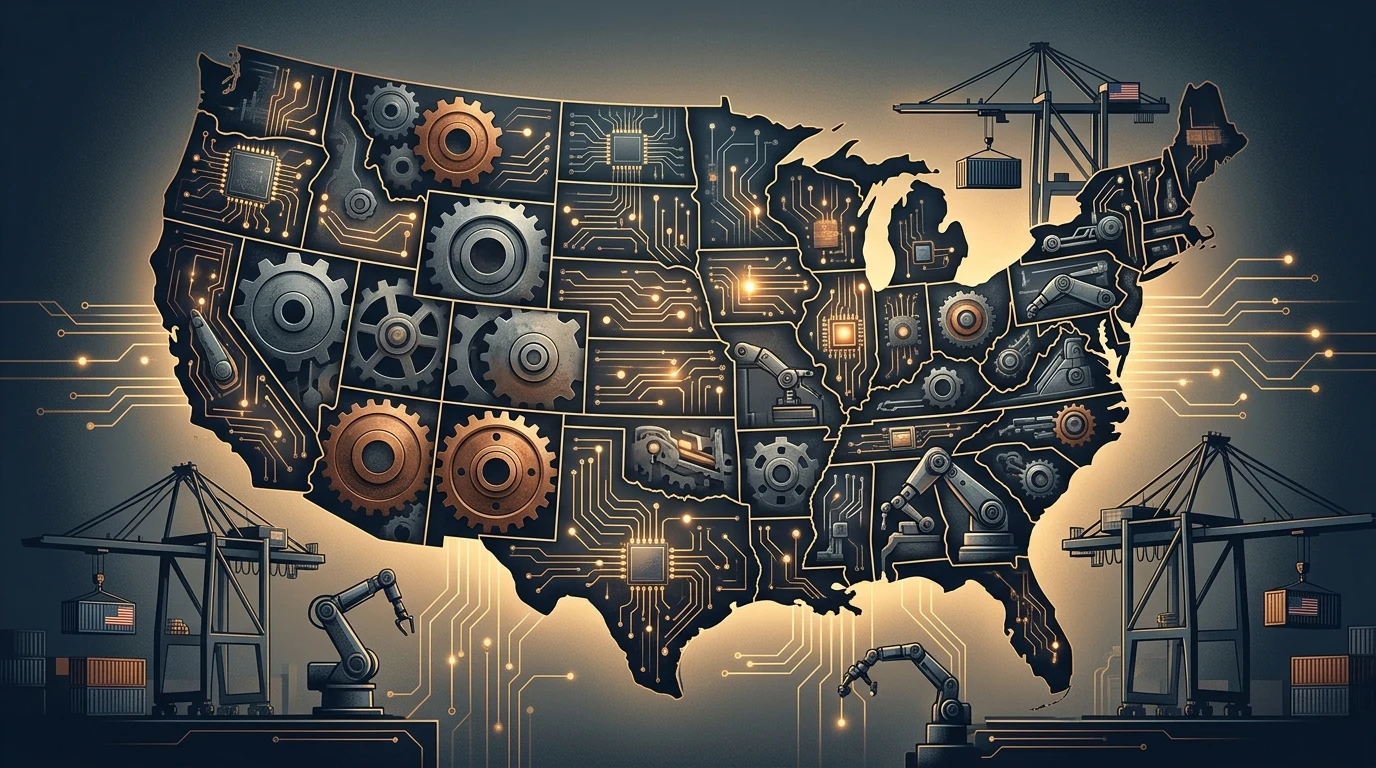
For decades, Silicon Valley operated under the libertarian conceit that digital software and hardware transcend national borders. Technology was viewed as an ethereal, stateless utility designed to maximize global commerce and consumer convenience. But the advent of frontier foundation models and generative artificial intelligence permanently dismantled that illusion. Today, advanced silicon semiconductors are no longer regarded as commercial consumer goods; they are viewed by the Pentagon, the White House, and foreign intelligence services as strategic dual-use munitions comparable to enriched uranium or aerospace guidance systems.
The friction that initially drove Huang from Nvidia was born directly of this reality. Corporate executives, incentivized by fiduciary mandates to maximize quarterly shareholder returns, naturally seek to sell their compute hardware to the highest global bidder, whether that customer is situated in Silicon Valley, Munich, Dubai, or Singapore. But when the White House determined that exporting hyperscale clusters to foreign sovereign wealth funds posed an unacceptable risk to American technological hegemony, the irresistible force of commercial ambition collided with the immovable object of sovereign national security.
The Fallacy of the Indispensable Titan
The second, equally alarming revelation of this crisis is the acute concentration of operational and intellectual dependency within global technology leadership. When Huang resigned, capital markets did not merely adjust valuation multiples; they experienced a full-blown existential panic. Investors recognized that decades of organizational culture, hardware-software integration, developer loyalty via CUDA, and complex supply-chain choreography with Taiwanese foundries resided predominantly within the singular brain and charismatic authority of one executive.
A global financial architecture that cannot safely absorb the departure of a 63-year-old CEO without threatening a broad-based macroeconomic crash is, by definition, structurally unsound. It resembles the fragile dynastic monarchies of the 18th century far more than it resembles a modern, resilient, institutional free-market economy.
The New Era of Guided Technology Capitalism
Huang’s triumphant return, brokered under the protective auspices of executive branch assurances, formalizes the dawn of a new economic epoch: the era of Guided Technology Capitalism. The boundary between sovereign state policy and private enterprise tech leadership has been irreversibly erased. Moving forward, no major semiconductor or artificial intelligence architecture will be designed, funded, or deployed without explicit coordination with national defense planners.
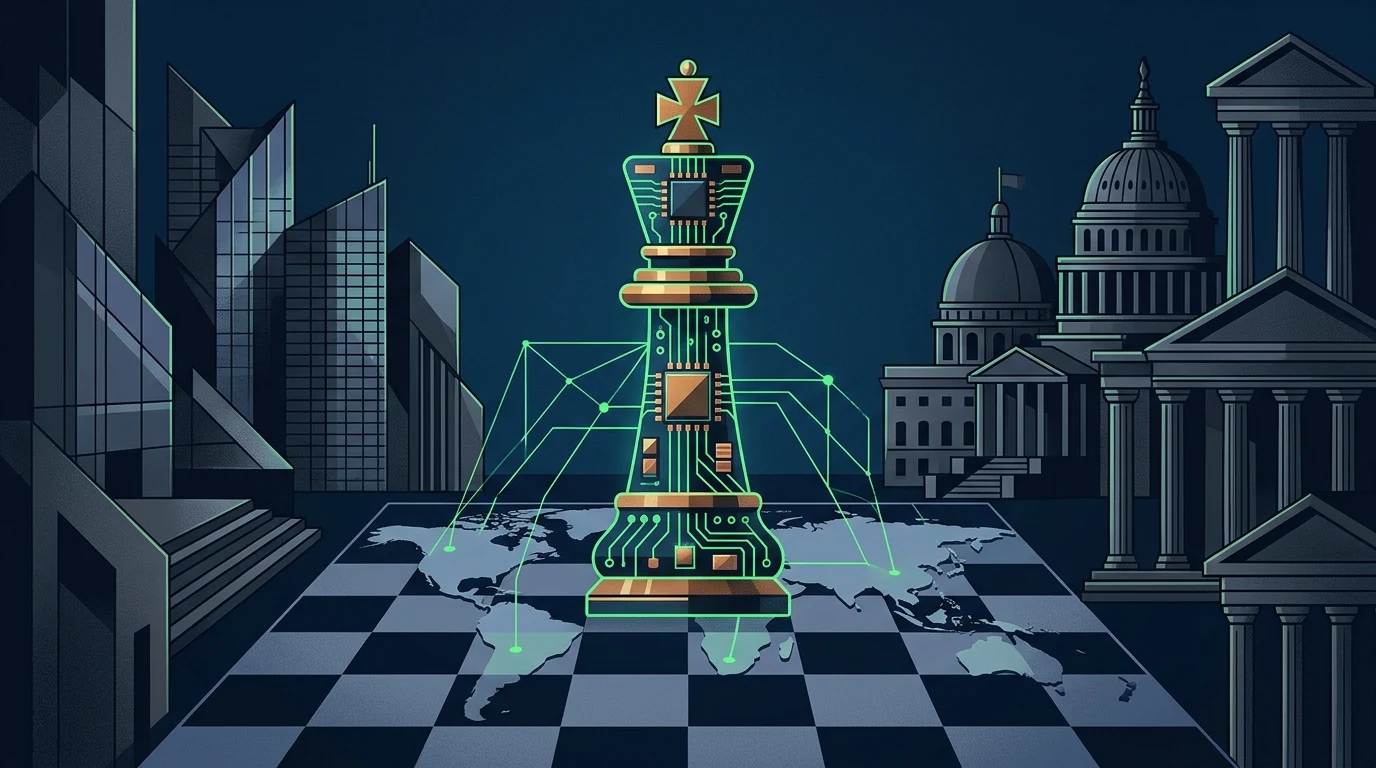
Monday’s 30% stock rally delivered immense short-term paper wealth to asset managers and pension funds. But it also delivered an unmistakable warning: the technological frontier is no longer a private sandbox of unbridled innovation; it is a fortified geopolitical battleground where corporate sovereignty exists solely at the pleasure of the state.
Editorial Fact Check & Key Findings
Key points
- The commentary analyzes the economic and political fallout of Nvidia's Nov 23, 2026 leadership reinstatement.
- Huang's 11-day absence sparked market panic, proving that AI infrastructure relies heavily on a single corporate individual.
- The resolution marks the institutionalization of 'Guided Technology Capitalism' where tech leaders coordinate directly with state planners.
What the evidence shows
An opinion commentary arguing that the rapid departure and return of Jensen Huang at Nvidia illustrates the deep structural vulnerability of the modern AI revolution. Advanced semiconductor chips are no longer treated as commercial goods, but as sovereign munitions, requiring unprecedented alignment between tech CEOs and the national security state.
Background and limits
Follows Nvidia's historic 30% single-day stock surge and extensive debates over U.S. chip export controls.
Why this matters
Offers critical perspective on the transition from libertarian tech exceptionalism to government-guided industrial statecraft.