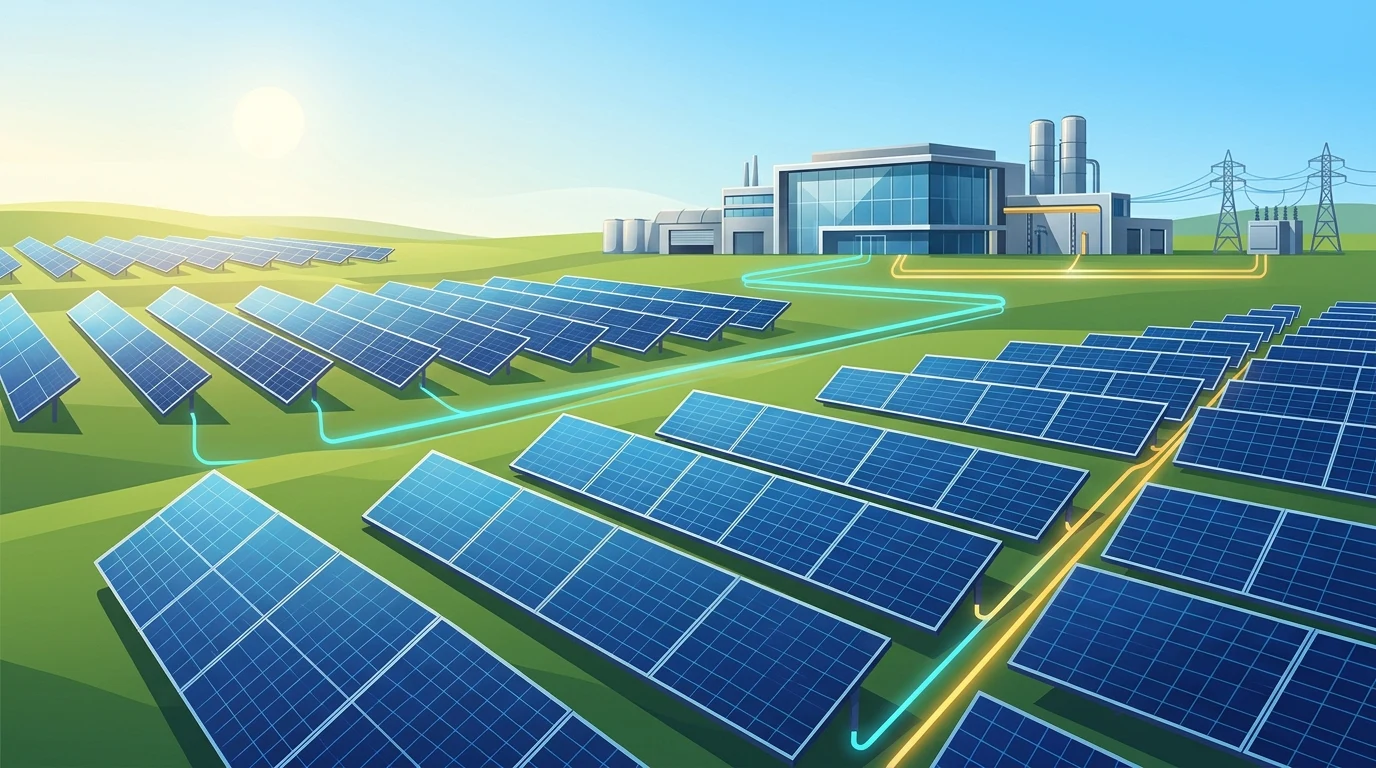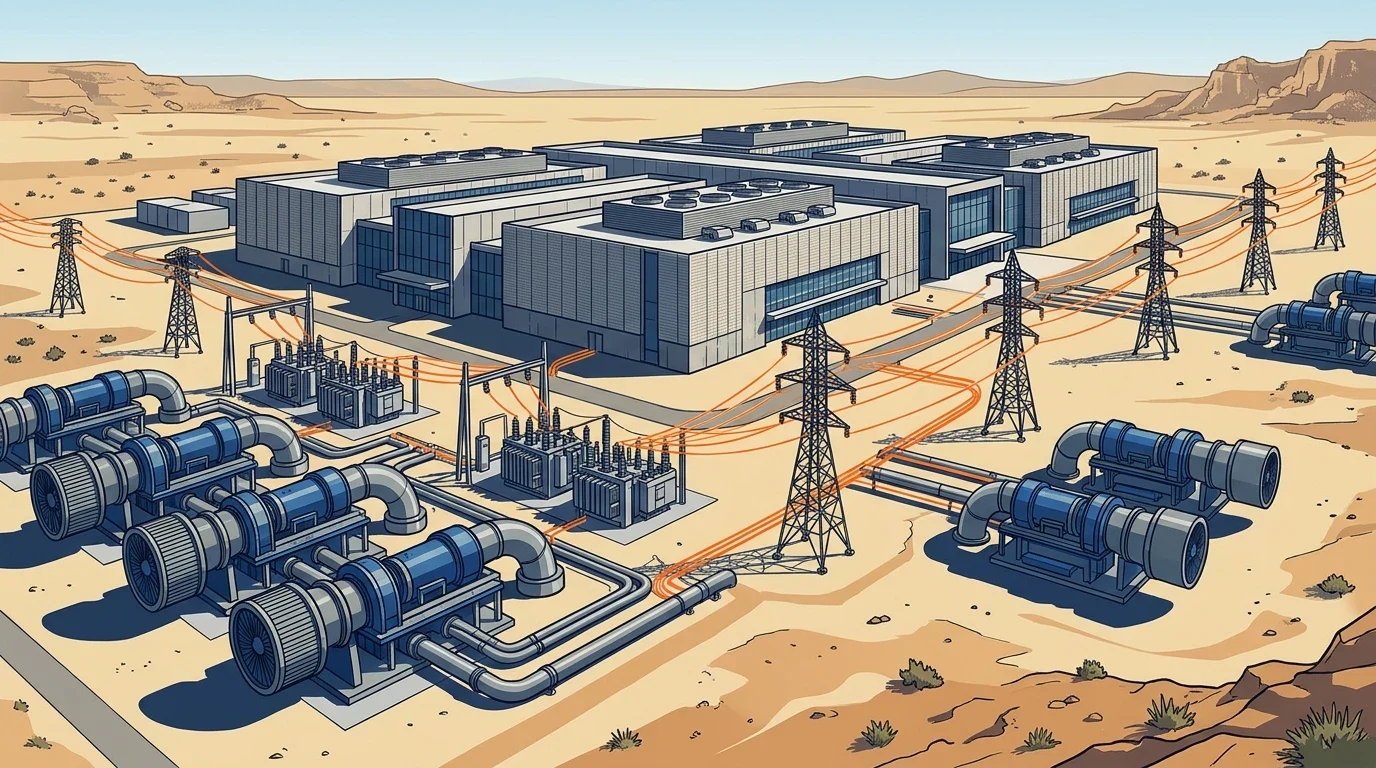
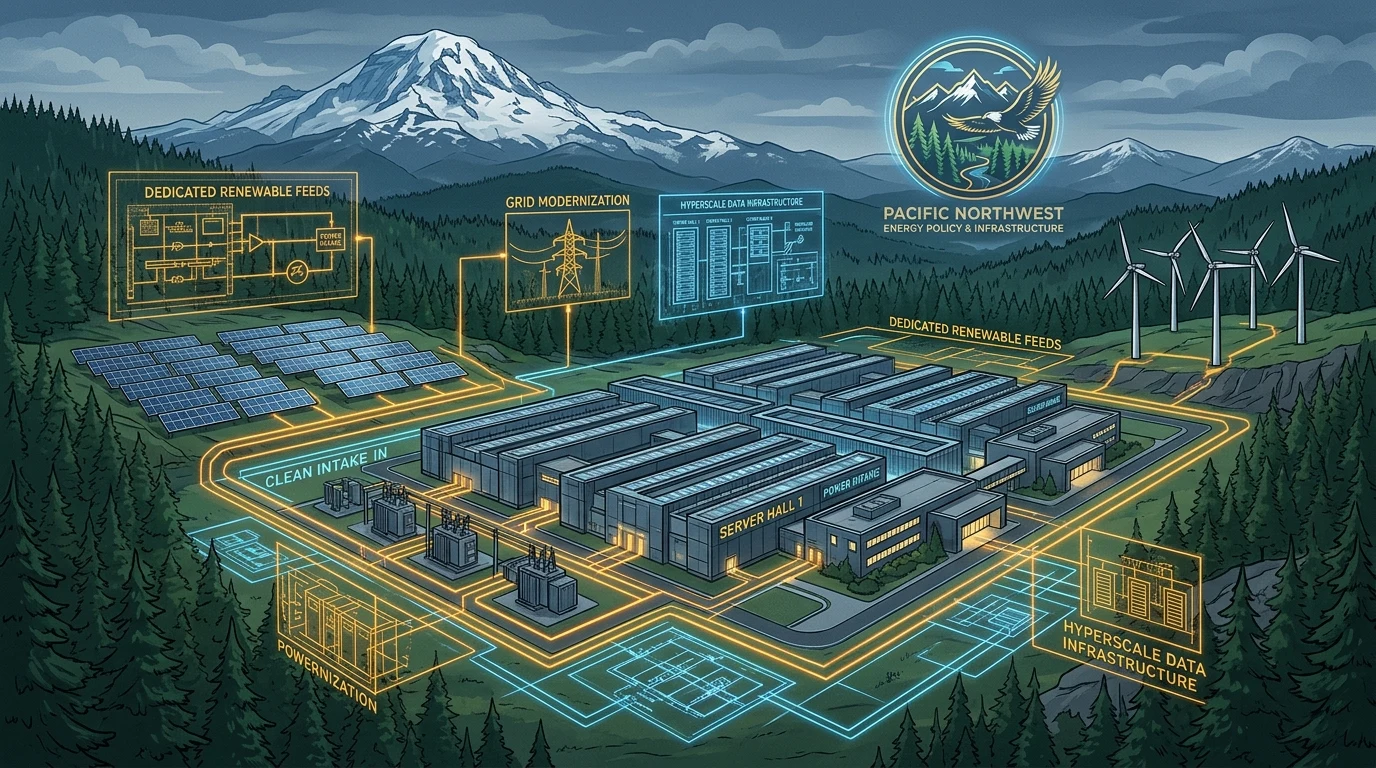
Confronted by explosive electricity demand from artificial intelligence server farms that threaten state clean energy benchmarks and strain municipal power grids, state lawmakers across the American West introduced coordinated bipartisan legislation on Thursday, November 19. The legislative measures, advancing concurrently in Oregon, New Mexico, and Washington state, would require commercial hyperscale data centers exceeding 50 megawatts of capacity to directly finance their own dedicated renewable power generation, high-voltage substations, and battery storage rather than passing capital costs onto residential electric ratepayers.
The Growing Conflict Over Data Center Power Demands
The legislative push follows a flurry of public utility commission hearings and independent academic studies revealing the staggering scale of computational power consumption. A prominent Harvard-led energy audit published this week highlighted that Oregon has quietly become the second-largest concentration of hyperscale data centers in the United States, with computational facilities now consuming more than 16% of the state’s total electric grid capacity. In several rural utility districts along the Columbia River basin, data center electricity demand has outstripped available hydropower, forcing regional utilities to import expensive fossil-fueled power during evening peak hours.
"For years, technology conglomerates were lured to the West with generous tax abatements and promises of cheap clean electricity," said an Oregon state senator leading the bipartisan coalition. "Today, our working families and small businesses are facing double-digit utility rate hikes simply to build new transmission lines and peaker plants servicing private computational warehouses. Our legislation establishes a simple, equitable principle: if a multi-trillion-dollar tech corporation wants to run massive AI computing clusters in our state, they must bring their own clean power with them."
Mandating Direct Clean Generation and Storage
Under the proposed Clean Compute Accountability Act, prospective data center operators must submit legally binding Power Supply Plans demonstrating that at least 85% of their operational energy demand will be satisfied through newly constructed, co-located solar, wind, or advanced geothermal generation facilities. The statute explicitly prohibits tech developers from monopolizing existing regional utility capacity or utilizing paper carbon-offset certificates to claim green compliance while consuming fossil energy.
Furthermore, facilities must install multi-hour battery storage units or on-site hydrogen fuel cells capable of islanding their electrical load during severe winter freezes or summer heatwaves, ensuring that data center air-conditioning chillers do not trigger blackout brownouts for surrounding residential neighborhoods.
Balancing Economic Development with Grid Stability
Technology industry trade associations voiced constructive feedback on the measures, noting that leading cloud providers have already contracted billions in private clean energy procurements, but warned that rigid generation mandates could delay facility construction. However, consumer protection groups and environmental coalitions strongly endorsed the bills, praising the legislation as a vital national template to ensure that artificial intelligence expansion does not compromise environmental goals or burden household energy budgets.
Editorial Fact Check & Key Findings
Key points
- Bipartisan Clean Compute Accountability Acts introduced across western state legislatures.
- Requires data centers to prove at least 85% of power comes from newly constructed clean generation.
- Mandates on-site battery storage or hydrogen cells to prevent residential brownouts during peak freezes.
What the evidence shows
Lawmakers across Oregon, New Mexico, and Washington state introduced bipartisan legislation requiring hyperscale data centers exceeding 50 MW to directly fund their own clean power and grid upgrades rather than burdening residential ratepayers.
Background and limits
A Harvard-led study revealed Oregon data centers consume 16% of state grid capacity, prompting rate hike concerns.
Why this matters
Official state legislative bill filings, Oregon legislative committee records, and Harvard energy audit logs confirm.