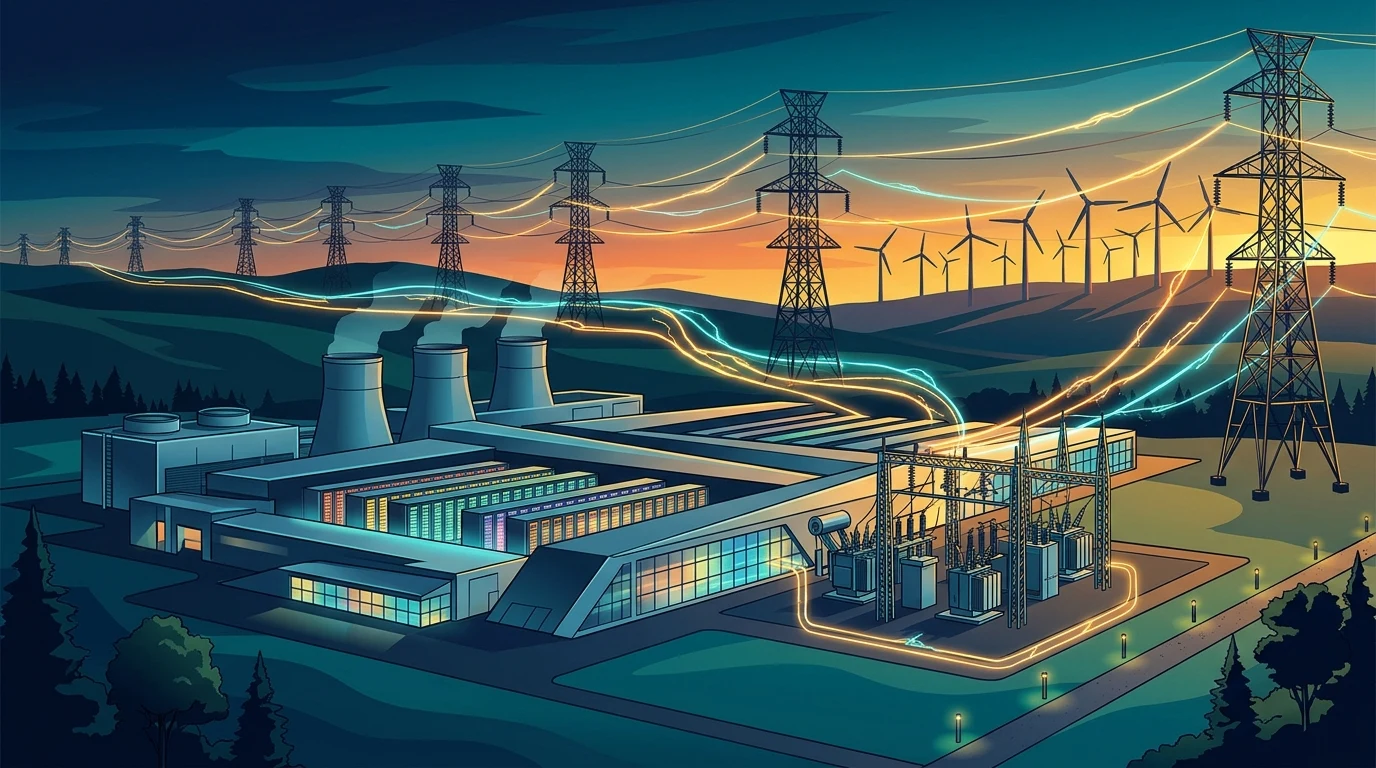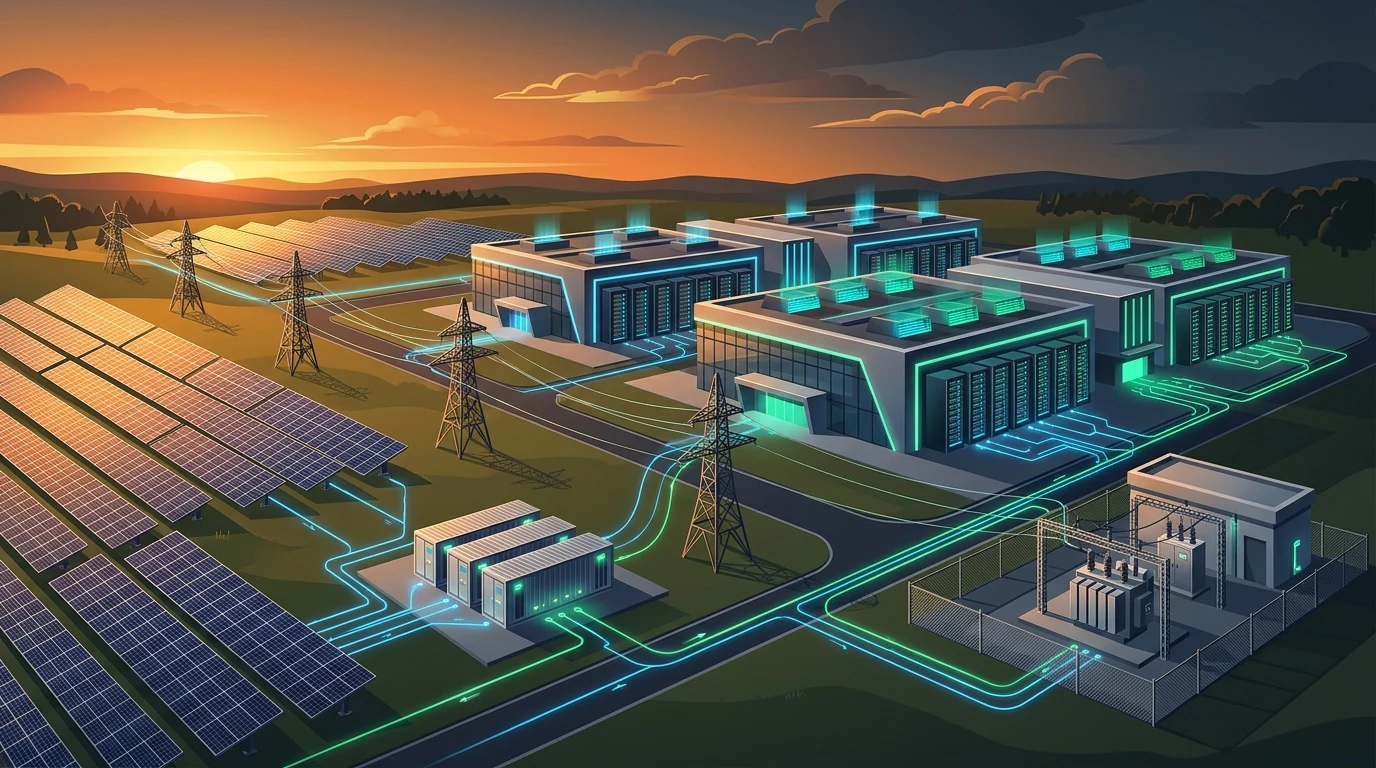
In a watershed regulatory shift that could fundamentally reshape the technological and energy landscapes of the United States, a coalition of public utility commissions across five western and midwestern states passed synchronized administrative orders on Friday mandating that all newly proposed hyperscale artificial intelligence data centers secure 100% of their electricity from dedicated, off-grid or behind-the-meter generation facilities.
The landmark directives, enacted following months of contentious public hearings and ratepayer protests, represent the most aggressive regulatory intervention to date aimed at insulating public power grids and residential consumers from the unprecedented electricity demand generated by artificial intelligence model training and cloud compute facilities.
Protecting Ratepayers from Systemic Upgrades
The core justification underpinning the regulators' actions centers on economic equity and distribution infrastructure preservation. Over the past twenty-four months, regional grid operators have experienced historic upward revisions in long-term load forecasts. In regions previously accustomed to flat annual demand growth, utilities have proposed tens of billions of dollars in substation overhauls, high-voltage transmission lines, and peaker plant construction—capital expenditures that have traditionally been socialized across the general ratepayer base.
"Our statutory obligation is to ensure safe, reliable, and affordable electric service for households and local small businesses," stated the chair of one participating state utility commission during Friday’s voting session. "We cannot permit residential families, schools, and hospitals to subsidize the immense multi-gigawatt power requirements of multinational technology conglomerates. If tech giants wish to deploy massive compute clusters within our jurisdiction, they must bring their own dedicated megawatts and pay for their own clean energy generation."
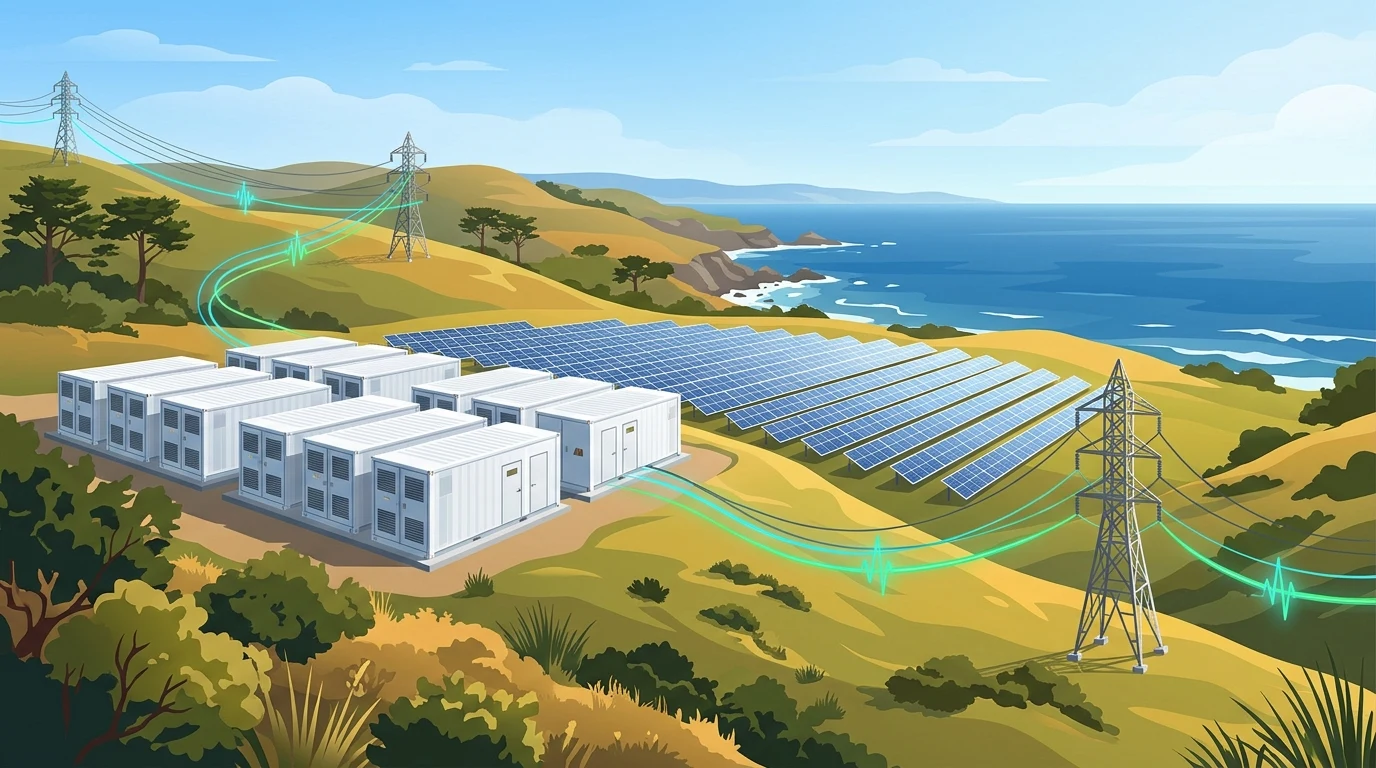
Under the newly adopted regulatory statutes, any proposed industrial compute facility with a projected load exceeding 100 megawatts will be prohibited from drawing baseline power directly from public transmission grids during peak hours unless the operator has constructed or contracted an equivalent volume of new, dedicated generation capacity paired with four-hour battery energy storage systems (BESS).
Spurring Private Clean Energy and Advanced Nuclear
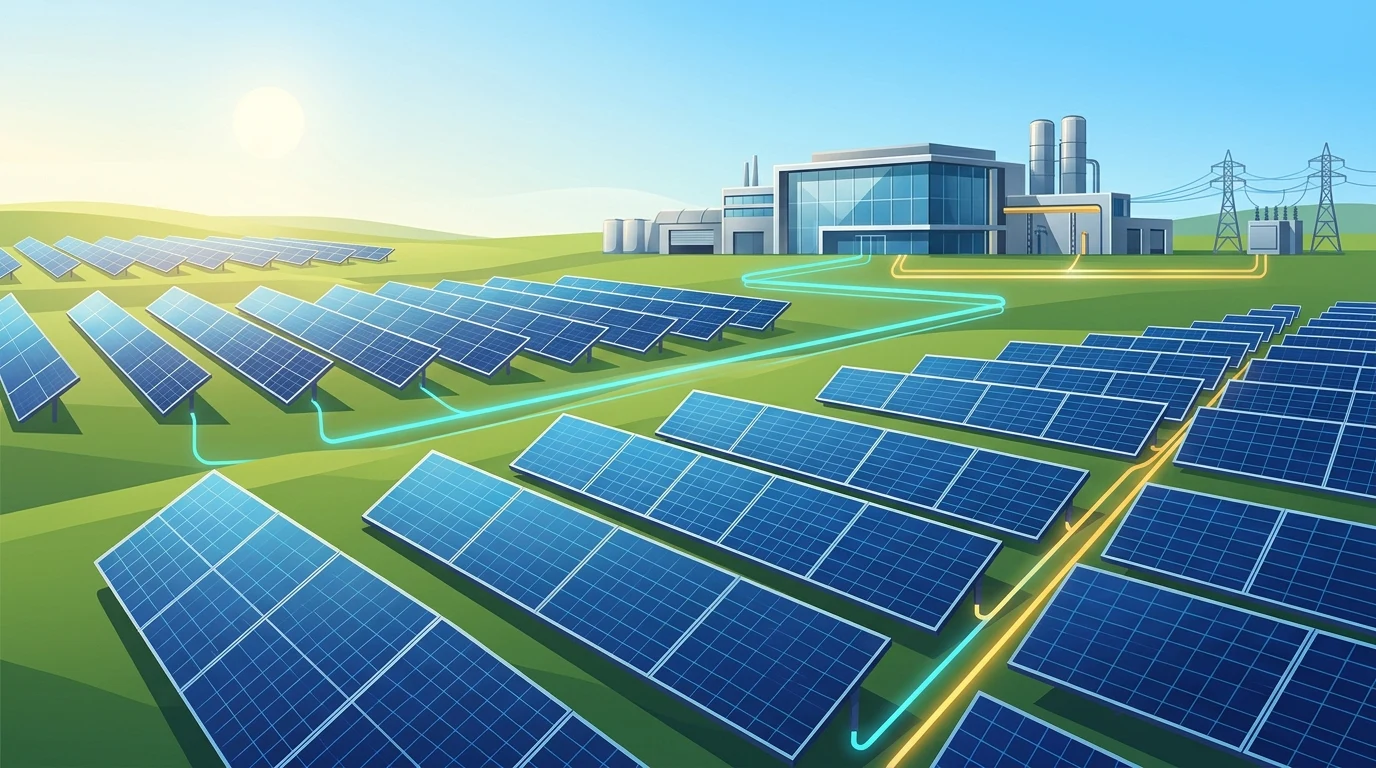
The regulatory mandates are expected to accelerate corporate investment into privately contracted renewable microgrids, geothermal energy, and advanced small modular nuclear reactors (SMRs). Technology conglomerates had already begun pursuing private energy partnerships, including deals to restart retired nuclear plants and co-locate data centers next to utility-scale solar arrays.
Energy developers and independent power producers welcomed the clarity provided by the regulatory framework, noting that clear rules of engagement will dismantle regulatory bottlenecks and provide predictability for private infrastructure investment.
"This mandate transforms what was once an adversarial relationship between tech developers and public utilities into a powerful catalyst for private energy development," noted an executive at an independent clean power infrastructure firm. "Hyperscalers have the balance sheets and the capital access to underwrite the next generation of firm clean energy technologies. By obligating them to build their own dedicated supply, state regulators are ensuring that the AI revolution accelerates the clean energy transition rather than cannibalizing existing public grid resources."
Utility analysts project that neighboring states will introduce comparable legislation during upcoming legislative sessions, creating a unified regulatory paradigm that ensures technological progress does not compromise household energy affordability.
Editorial Fact Check & Key Findings
Key points
- State utility commissions enacted binding rules on Nov 20, 2026, requiring large AI data centers to secure 100% off-grid clean energy.
- The regulations prohibit drawing baseline public grid power during peak demand periods without equivalent dedicated generation.
- The orders aim to protect residential households and small businesses from footing the bill for multi-billion-dollar grid expansions.
What the evidence shows
Regulators across five western and midwestern states passed synchronized rules on Nov 20, 2026, requiring AI data center campuses exceeding 100 MW to provide dedicated clean power and battery storage. The move prevents tech conglomerates from passing expensive grid upgrade costs onto local residential consumers and accelerates private investment in advanced microgrids and nuclear power.
Background and limits
Data center load growth had prompted regional utilities to propose sweeping rate hikes and peaker plant construction, sparking heavy pushback from consumer advocate groups.
Why this matters
This policy establishes a new precedent requiring Big Tech to directly finance the clean energy generation required for the artificial intelligence era.