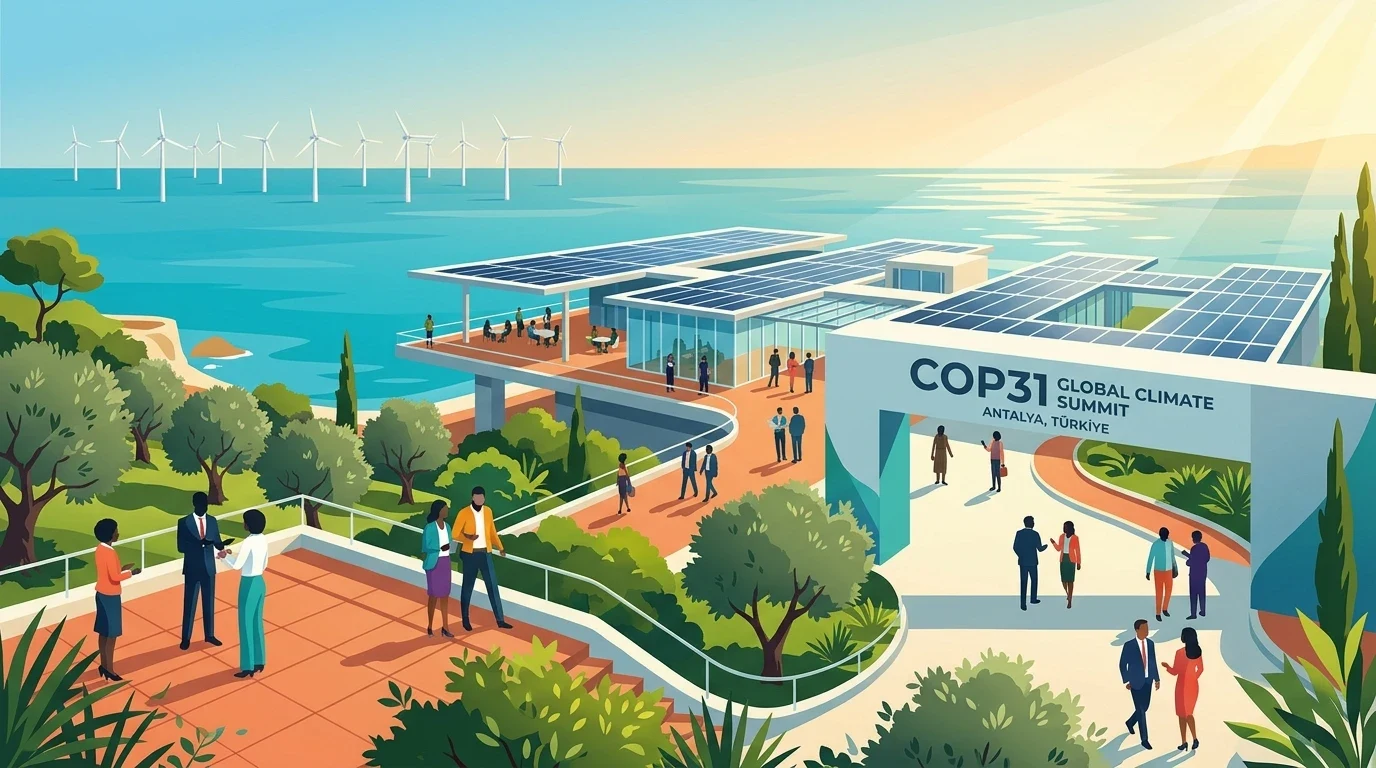

The 31st United Nations Climate Change Conference (COP31) in Antalya, Turkey, descended into high-stakes diplomatic gridlock on Sunday as negotiations officially blew past their scheduled deadline and plunged into round-the-clock overtime sessions. The impasse was precipitated by a unified revolt from a formidable coalition of Western nations, the European Union, and climate-vulnerable island states, who flatly rejected a compromise draft accord released by conference organizers for entirely omitting clear, binding timelines to phase out fossil fuels.
The contentious draft text, floated by the Turkish presidency in a bid to secure unanimous consensus among the nearly two hundred participating nations, proposed voluntary emissions intensity targets and expanded international transition finance while deliberately softening language regarding the structural retirement of coal, petroleum, and unmitigated natural gas infrastructure. The omission drew furious condemnation from European climate envoys, who declared the proposal unacceptable.
The Battle Between Transition Mandates and National Sovereignty
The fracture at the heart of COP31 reflects a widening philosophical and economic chasm between industrialized nations demanding binding decarbonization roadmaps and major fossil-fuel-producing states insisting on sovereign flexibility. A bloc of energy-exporting nations—backed by several rapidly industrializing developing economies—adamantly refused to endorse any consensus treaty containing the phrase "fossil fuel phase-out," arguing that energy security, grid reliability, and economic development must supersede arbitrary international timelines.
"We did not travel to Antalya to sign a death warrant for scientific integrity and the Paris Agreement targets," said the European Union’s chief climate negotiator during an impromptu late-night press briefing outside the plenary chambers. "A text that refuses to acknowledge the primary driver of planetary warming is not a compromise; it is an abdication of moral and diplomatic leadership. We will remain in these negotiating rooms for as long as it takes to achieve a text that reflects physical reality."
Compounding the diplomatic rift are fierce disagreements over climate transition finance. Developing economies reiterated that they cannot undertake trillions of dollars in clean energy infrastructure overhauls without binding capital grants and debt-relief guarantees from wealthy nations that produced the bulk of historic atmospheric emissions. While Western delegates proposed a target of $300 billion annually in public-private climate finance by 2035, developing nations characterized the figure as inadequate.
Global Energy Markets and Long-Term Implications
International commodity markets monitored the summit deadlock closely, with crude oil and liquefied natural gas futures holding steady as traders recognized that the absence of strict regulatory mandates reduces near-term compliance pressures on international oil majors. However, clean technology executives warned that diplomatic hesitation creates dangerous regulatory ambiguity for multi-billion-dollar investments in green hydrogen, offshore wind, and long-duration storage.
As weary delegates prepared for another grueling night of closed-door shuttle diplomacy, summit observers noted that COP31 could set a vital precedent for future multilateral treaties. Either the international community will forge a historic compromise that commits the global economy to an irreversible clean energy transition, or the conference will conclude with an acrimonious stalemate that fractures global climate governance into competing regional regulatory blocs.
Editorial Fact Check & Key Findings
Key points
- COP31 climate negotiations in Antalya, Turkey, blew past their deadline into overtime on Sunday, Nov 22, 2026.
- The European Union, Western allies, and vulnerable island states rejected a draft text that eliminated binding fossil fuel phaseout mandates.
- Major energy-producing nations refused language targeting fossil fuel retirements, citing national economic sovereignty and energy security.
What the evidence shows
United Nations climate talks at COP31 entered emergency overtime on Nov 22, 2026, following an open revolt against a compromise text that softened language on phasing out coal, oil, and gas. A coalition led by the EU and small island states refused to sign an agreement that omitted binding phaseout roadmaps, clashing with energy-exporting economies.
Background and limits
Disagreements over transition funding also stalled talks, with developing nations demanding $300 billion annually in public-private grants.
Why this matters
The Antalya deadlock tests the viability of consensus-based UN climate diplomacy and could accelerate the fragmentation of global energy policy into regional regulatory blocs.