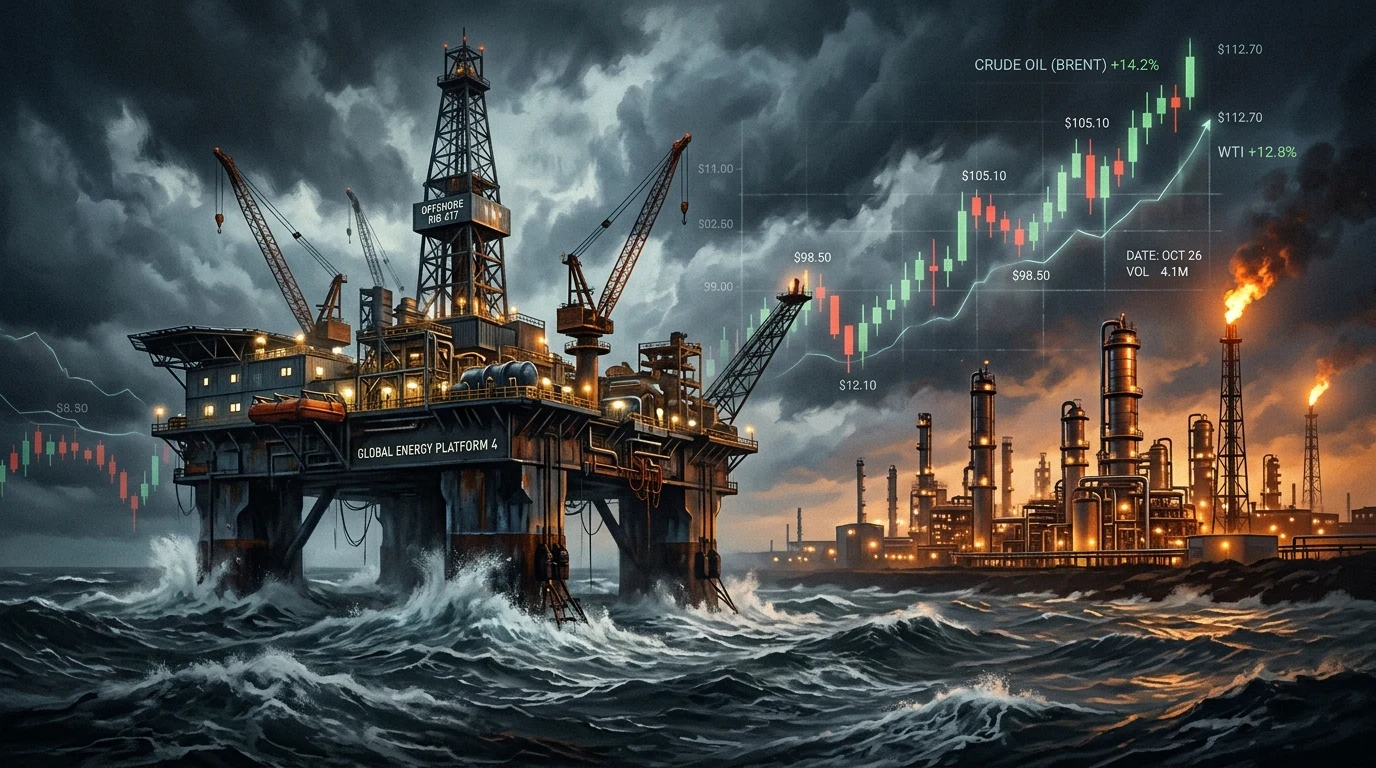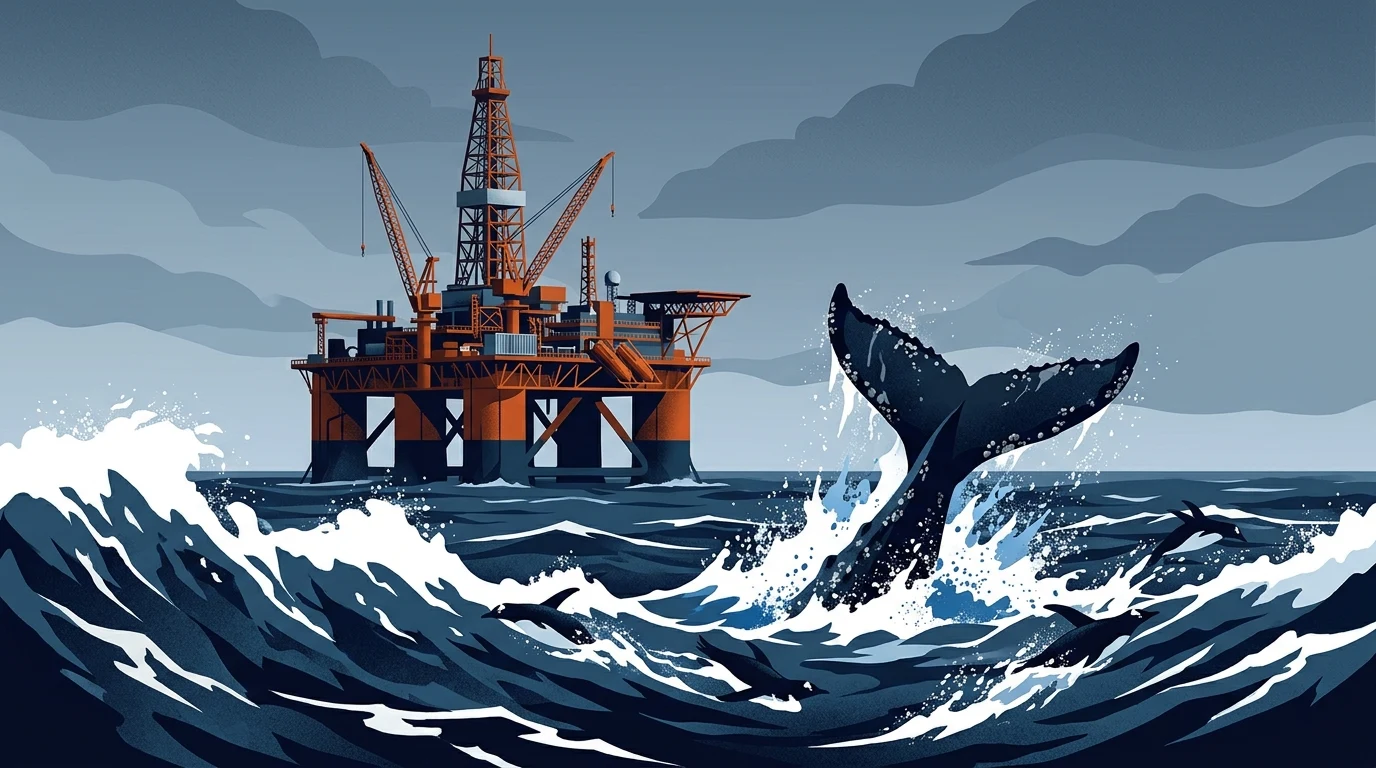
A fierce international environmental and legal showdown over the frontier of offshore energy exploration erupted on Monday, as a global coalition of marine biologists, ocean conservation organizations, and environmental legal advocacy groups filed formal emergency administrative appeals to halt the development of the multi-billion-dollar Sea Lion oil field in the pristine, storm-tossed waters north of the Falkland Islands.
The ambitious deepwater project, operated by an international energy consortium and projected to extract hundreds of millions of barrels of crude oil over a twenty-year operational lifespan, has drawn ferocious opposition from scientists who warn that industrializing the ecologically vulnerable sub-Antarctic marine ecosystem poses irreversible threats to globally significant breeding populations of penguins, baleen whales, and endangered marine mammals.
Ecological Fragility of the Sub-Antarctic Convergence
At the center of Monday’s legal challenge is the extraordinary biodiversity of the Patagonian Shelf and the Sub-Antarctic Convergence zone. The region serves as a primary oceanic nursery and foraging ground for more than one million pairs of gentoo, rockhopper, and king penguins, alongside critically endangered black-browed albatrosses and migratory sei and humpback whales.
Marine toxicologists presenting expert declarations in support of the injunction emphasized that the remote geography, extreme weather conditions, and absence of regional emergency response infrastructure would render containing a deepwater well blowout virtually impossible.
"The waters surrounding the Falkland Islands are not merely an energy concession on a corporate balance sheet; they represent one of the last intact, wild marine sanctuaries on planet Earth," said the lead conservation scientist coordinating the international petition. "Operating a high-pressure floating production storage and offloading (FPSO) vessel in hurricane-force sub-polar gales thousands of miles from specialized salvage fleets is reckless in the extreme. A single catastrophic spill would devastate marine food webs across the South Atlantic for generations."
Energy Sovereignty and Economic Ambitions
Conversely, project proponents and regional authorities in Stanley have vigorously defended the offshore project, arguing that developing indigenous hydrocarbon reserves is vital to securing the economic self-sufficiency and sovereign financial future of the Falkland Islands. Project engineers contend that modern harsh-environment drilling platforms utilize advanced automated acoustic well-shutoff valves and double-hulled containment vessels that meet the most stringent safety standards in the offshore industry.
Independent energy analysts noted that the Sea Lion project has attracted intense commercial interest from global energy traders seeking stable, politically non-aligned crude reserves amid chronic instability in traditional Middle Eastern supply channels. With projected peak production exceeding 80,000 barrels per day, the development represents one of the largest untapped conventional offshore fields outside of Guyana and the Gulf of Mexico.
With environmental appeals now formally submitted to judicial authorities in the UK and overseas territorial courts, the outcome of the dispute is poised to establish an enduring precedent regarding whether the international community will permit industrial energy extraction to breach the fragile boundaries of the sub-Antarctic wilderness.
Editorial Fact Check & Key Findings
Key points
- Conservation coalitions filed emergency administrative appeals on Nov 23, 2026, challenging the Sea Lion deepwater oil project.
- The offshore field north of the Falkland Islands is projected to extract 80,000 barrels of crude per day over twenty years.
- Scientists warn an oil spill in remote, sub-polar waters would devastate gentoo penguin colonies and migratory whale routes.
What the evidence shows
An international coalition of marine scientists filed emergency appeals on Nov 23, 2026, to halt the multi-billion-dollar Sea Lion deepwater drilling project off the Falkland Islands. While developers and regional officials argue the project provides vital economic sovereignty, conservationists emphasize that remote sub-Antarctic ecosystems cannot withstand an industrial blowout.
Background and limits
The Patagonian Shelf is one of the richest and least developed marine convergence zones on earth.
Why this matters
The legal battle represents a critical test case regarding environmental limits on frontier deepwater oil exploration in polar latitudes.