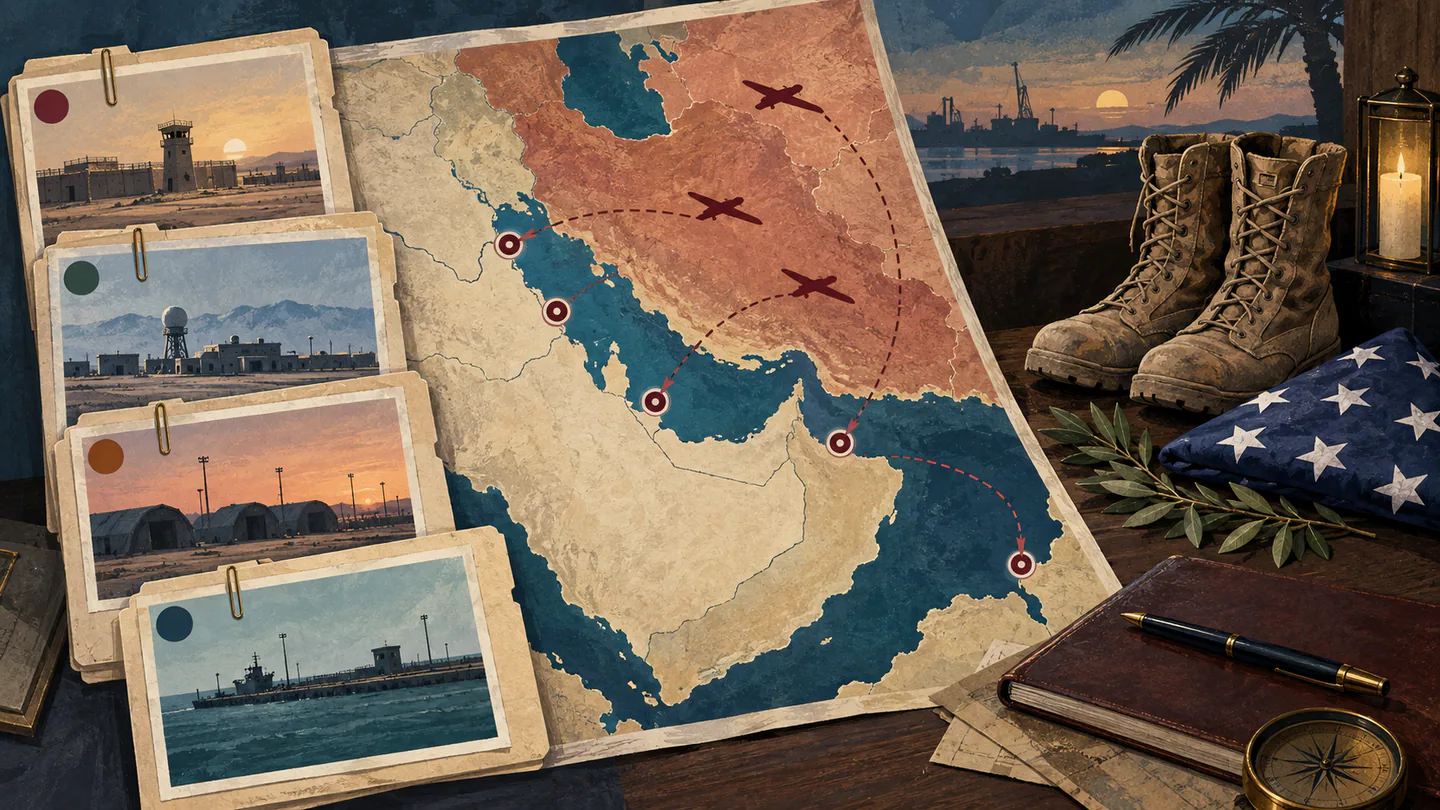
In a delicate balance between armed vigilance and high-stakes diplomatic maneuvering, NATO defense ministers confirmed on Thursday, November 12, that allied forces are heightening air policing and electronic surveillance along the alliance's eastern flank. The enhanced readiness posture comes as U.S. special envoys Jared Kushner and Steve Witkoff finalize flight itineraries for direct consultations in Moscow with Russian President Vladimir Putin, seeking to consolidate momentum from the milestone humanitarian prisoner-of-war agreement achieved in Abu Dhabi.
Strengthening Forward Deterrence Along the Flank
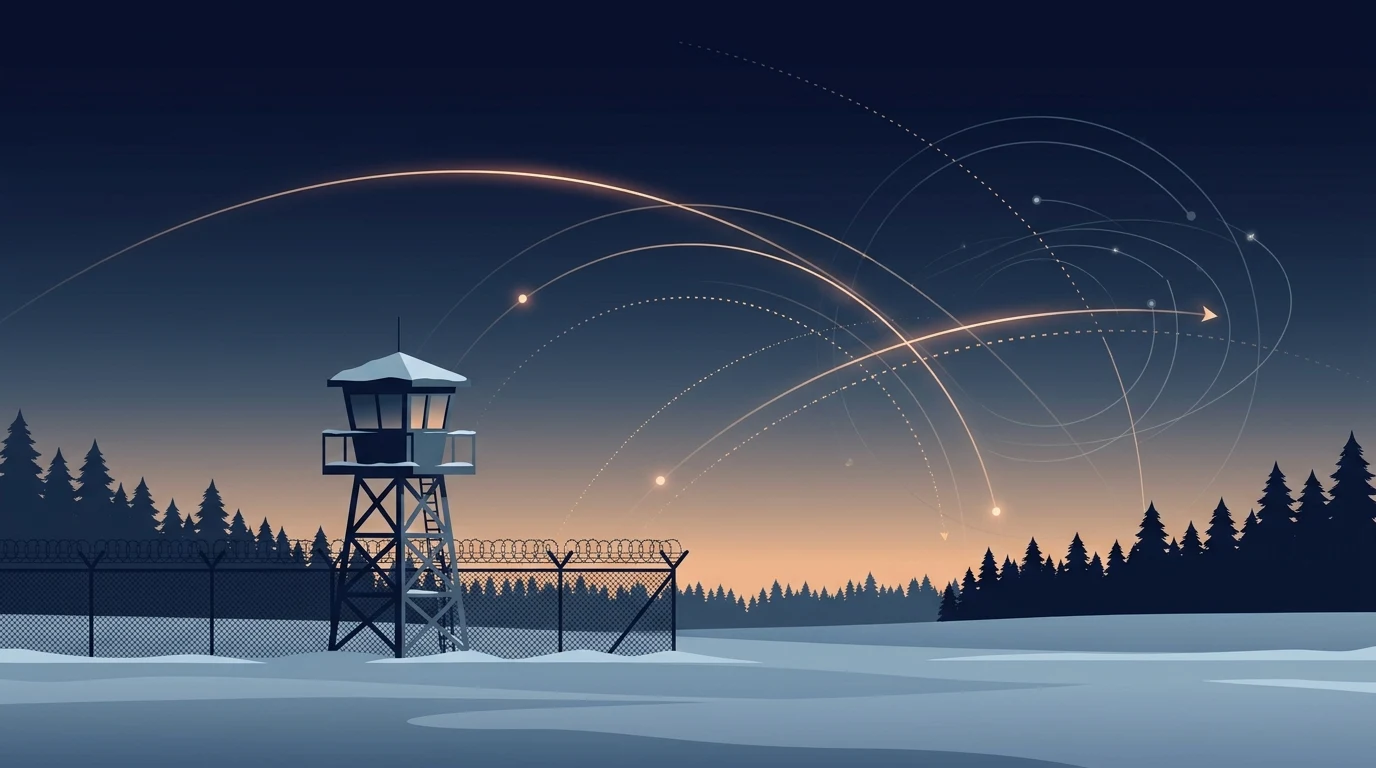
Meeting in Brussels, military planners from Poland, the Baltic states, and Finland reported intensified electronic jamming, unauthorized GPS spoofing across commercial Baltic Sea aviation corridors, and localized border friction along the Belarusian frontier. Allied reconnaissance aircraft, including E-3A Sentry AWACS and maritime patrol squadrons, have expanded surveillance orbits to monitor military redeployments near the Suwalki Corridor.
"While we welcome any diplomatic development that returns detained service members to their families, the operational reality on NATO’s eastern border requires total vigilance," stated NATO Secretary General Mark Rutte following a North Atlantic Council briefing. "Deterrence and defense are the indispensable twin pillars that make genuine diplomacy possible; NATO will not relax its collective defense commitments while territorial incursions and hybrid provocations persist."
Diplomatic Shuttle from the Gulf to Moscow and Dublin
Meanwhile, American envoys are accelerating the diplomatic shuttle framework initiated during trilateral sessions in Abu Dhabi with Ukrainian and Russian delegations. Special envoys Kushner and Witkoff, accompanied by senior technical advisors, are scheduled to touch down in Moscow for closed-door discussions at the Kremlin regarding verification mechanisms for the agreed prisoner exchanges, as well as exploring prospective parameters for localized ceasefire zones.
Following the Moscow talks, the American delegation will proceed immediately to Dublin, Ireland, to conduct in-depth strategy consultations with Ukrainian President Volodymyr Zelenskyy and national security advisors. The Dublin discussions are designed to ensure that Ukrainian sovereign red lines—particularly regarding territorial integrity, long-term security guarantees, and independent reconstruction financing—remain central to any broader multilateral negotiations.
European Allies Insist on Permanent Negotiating Seat
The fast-moving diplomatic shuttle continues to generate intense debate across European capitals. Building upon forceful assertions made during the G7 ministerial summit in Paris, European leaders reiterated that any durable continental peace architecture cannot be decided bilaterally between Washington and Moscow. European Union foreign policy representatives emphasized that EU funding guarantees, accession timelines for Ukraine, and border security mandates require comprehensive European co-sponsorship before international treaties can be enacted.
Editorial Fact Check & Key Findings
Key points
- NATO expanded eastern border air policing and electronic reconnaissance.
- US envoys scheduled follow-up meetings with Vladimir Putin in Moscow and Volodymyr Zelenskyy in Dublin.
- Allies reported intensified GPS spoofing and electronic jamming across Baltic airspace.
What the evidence shows
NATO defense ministers increased Baltic air policing and border surveillance amid Russian hybrid pressure, while US envoys Jared Kushner and Steve Witkoff prepared direct Moscow and Dublin consultations.
Background and limits
The developments follow the Abu Dhabi prisoner swap agreement as European leaders insist on permanent peace negotiation seats.
Why this matters
Official NATO North Atlantic Council statements and diplomatic itineraries confirm allied defense measures.