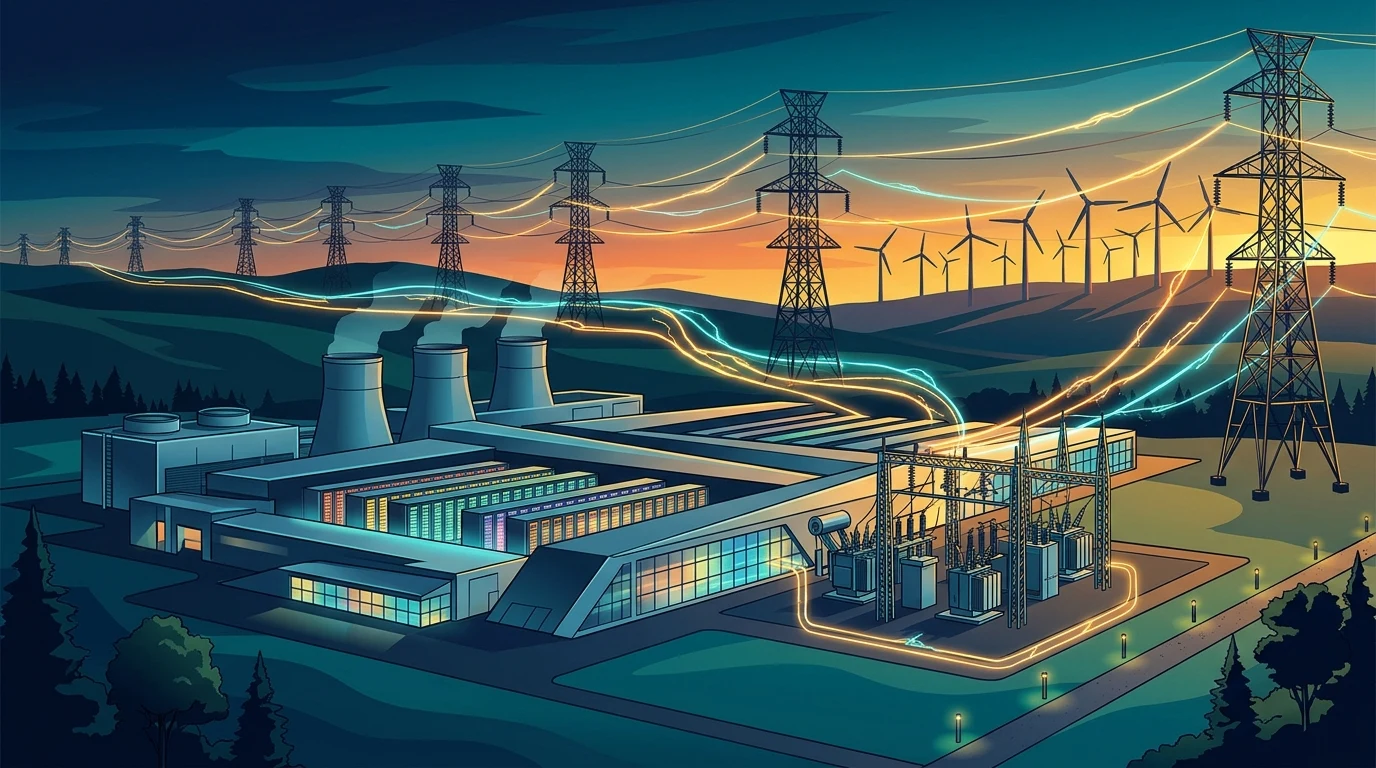
WASHINGTON — In the most dramatic structural pivot in American energy policy in half a century, the U.S. Department of Energy (DOE) and the Nuclear Regulatory Commission (NRC) advanced unprecedented regulatory approvals and finalized billions in federal loan guarantees on Tuesday to facilitate the historic restart of retired commercial nuclear power plants.
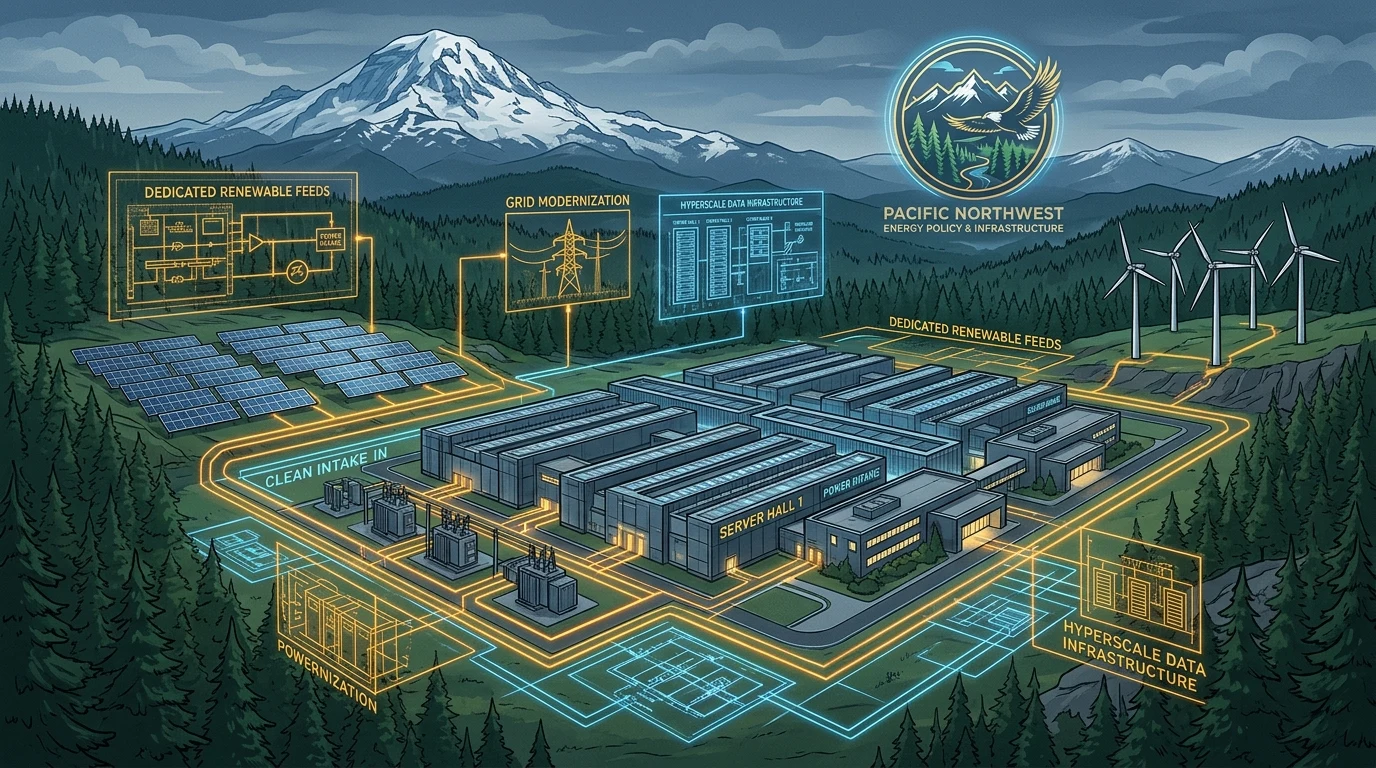
The concerted federal push is driven by an unprecedented surge in domestic electricity demand fueled by the explosive expansion of hyperscale artificial intelligence data centers, advanced microchip manufacturing, and industrial electrification—power needs so immense that traditional intermittent renewables alone cannot satisfy them.
Pioneering the First Commercial Nuclear Restart
At the center of this nuclear renaissance is the 800-megawatt Palisades Nuclear Plant in Covert Township, Michigan. Following finalization of a $1.52 billion loan guarantee from the DOE’s Loan Programs Office to Holtec International, engineering crews have begun extensive reactor refurbishment and steam generator inspections.
Targeted for commercial synchronization by late 2025, Palisades is poised to become the first successfully restarted decommissioned nuclear power plant in United States history, supplying continuous, carbon-free baseload electricity to regional grid operators and tech computing campuses across the upper Midwest.
“We are witnessing a monumental paradigm shift where clean energy reliability is the new currency of global technological supremacy,” said Jigar Shah, director of the DOE Loan Programs Office. “Nuclear energy is the only proven, zero-carbon technology capable of delivering 24/7/365 baseload power at gigawatt scale. Recommissioning these proven assets is the fastest, most cost-effective way to power America’s digital future.”
Big Tech Signs Historic Direct Power Purchase Deals
The federal regulatory momentum mirrors aggressive commercial investments by Silicon Valley titans seeking uninterrupted power for next-generation generative AI infrastructure:
- Crane Clean Energy Center (Three Mile Island): Constellation Energy finalized a 20-year power purchase agreement with Microsoft to restart the 835-megawatt Unit 1 reactor in Pennsylvania, dedicating its entire output to power Microsoft Azure AI data centers.
- Small Modular Reactors (SMRs): Google and Amazon announced multi-hundred-million-dollar commitments to finance fleets of next-generation small modular reactors developed by Kairos Power and X-energy, aiming to deploy commercial micro-reactors adjacent to data hubs by 2030.
- Duane Arnold Exploration: NextEra Energy is conducting active technical feasibility assessments to explore the potential reopening of the Duane Arnold nuclear plant in Iowa, which shuttered in 2020.
Overcoming Regulatory and Supply Chain Hurdles
While industry momentum is surging, significant challenges remain. The Nuclear Regulatory Commission must navigate complex safety re-licensing protocols, evaluate embrittlement in aging reactor pressure vessels, and verify advanced instrumentation controls before granting operating authorization.
Furthermore, nuclear fuel supply chains face constraints following recent federal legislation banning enriched Russian uranium imports, spurring urgent domestic investments in American centrifuge enrichment facilities in Ohio and New Mexico.
Despite these hurdles, bipartisan support on Capitol Hill remains exceptionally strong. With lawmakers viewing clean energy baseload as a paramount issue of national economic security, America’s nuclear fleet is transitioning from an era of premature retirements to a vibrant frontier of technological resurgence.