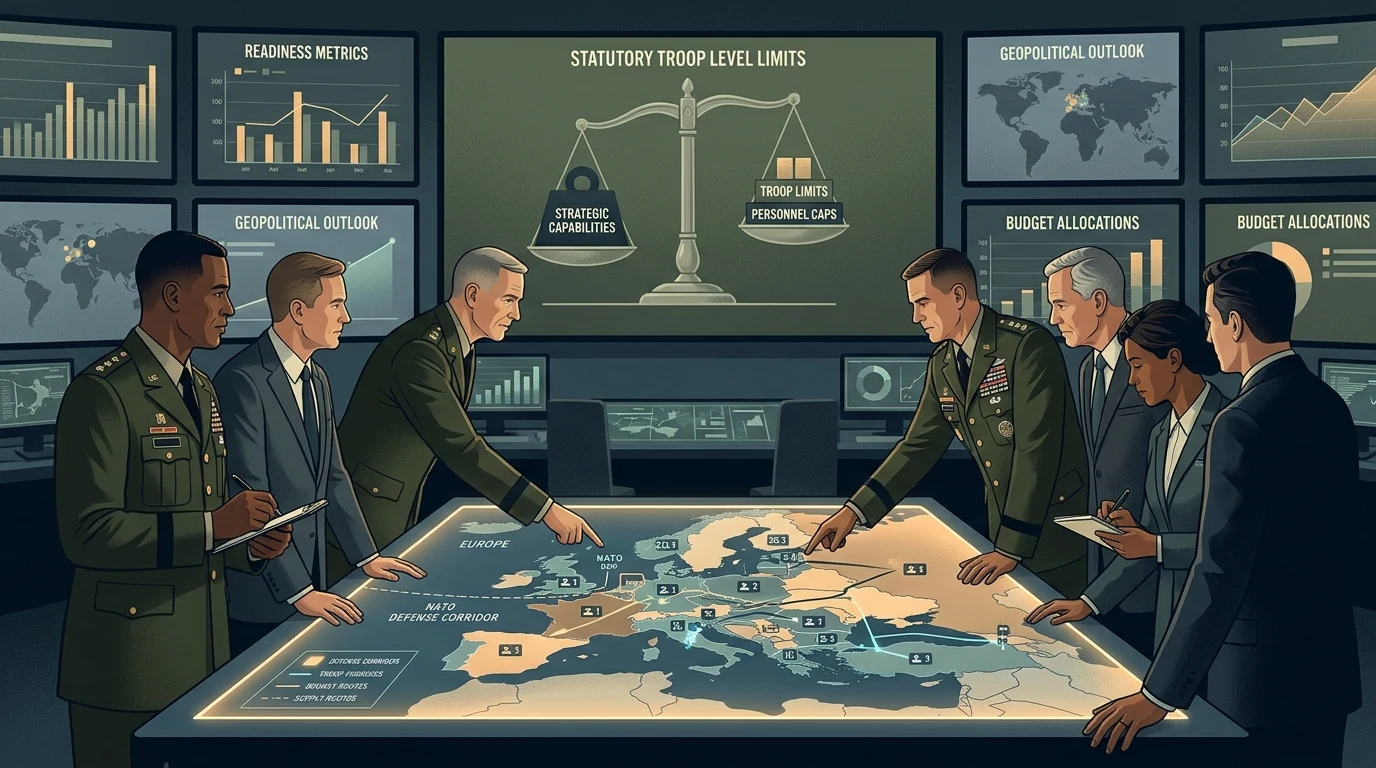
Diplomatic delegations and defense chiefs from the United States, European allies, and regional partners held emergency consultations on Friday to evaluate joint deterrence postures and diplomatic countermeasures in response to freshly declassified intelligence assessments regarding rapid developments within Iran’s nuclear program. The high-level talks reflect mounting allied concern that months of regional volatility have degraded traditional diplomatic guardrails and created an unpredictable security vacuum.
According to briefings shared with accredited defense attaches, intelligence services have tracked heightened centrifuge installation activities and material hardening at fortified subterranean installations near Fordow and Natanz. While regional analysts emphasize that intelligence agencies do not currently assess an active political order to assemble a deliverable nuclear warhead, the expansion of highly enriched uranium reserves has compressed estimated breakout timelines to near-zero margins.
Calibrating Diplomatic Deterrence Against Military Risk
The diplomatic challenge facing Western leadership is further complicated by diverging strategic timelines among key allies. In recent television interviews and press appearances, President Donald Trump stated that Washington is "not rushing" to initiate punitive kinetic actions and could afford to wait until 2027 to finalize strategic reviews regarding Middle Eastern security architectures. However, defense officials in Tel Aviv and several Gulf capitals have cautioned that prolonged strategic ambiguity could embolden adversaries and permanently alter regional deterrence equations.
"The current diplomatic environment requires rigorous, disciplined coordination among all allied partners," stated a European diplomat participating in the working group sessions. "There is widespread recognition that uncoordinated tactical military measures could trigger an uncontrolled escalatory cycle across key maritime transit corridors, while passive inaction risks allowing irreversible nonproliferation thresholds to be crossed. We are pursuing a unified economic, maritime, and diplomatic framework designed to impose prohibitive costs on further enrichment expansion."
The International Atomic Energy Agency (IAEA) is preparing to release its comprehensive quarterly safeguard verification report, which officials expect will formally censure the absence of international inspector access at several key nuclear development sites. Diplomatic envoys are actively coordinating language for an upcoming Board of Governors resolution that could formally refer non-compliance findings back to the United Nations Security Council.
Maritime Security and Gulf Transit Vigilance
In tandem with diplomatic negotiations, regional naval commands have stepped up operational vigilance throughout the Persian Gulf, the Strait of Hormuz, and the Gulf of Oman. Joint maritime task forces comprising American, British, and allied naval assets have expanded automated aerial drone surveillance and escort operations for commercial oil tankers and container vessels navigating international transit channels.
Defense analysts noted that regional energy markets remain highly sensitive to any perception of impending conflict. Crude oil futures fluctuated modestly throughout Friday trading as traders monitored diplomatic transmissions out of Washington and Brussels. With bilateral discussions slated to resume early next week, allied officials reaffirmed their shared commitment to maintaining freedom of navigation while prioritizing robust deterrence mechanisms to prevent regional military escalation.
Editorial Fact Check & Key Findings
Key points
- U.S., European, and regional defense envoys held consultations on Nov 20, 2026, in response to intelligence on Iranian nuclear site hardening.
- Intelligence noted expanded centrifuge operations at Fordow and Natanz compressing potential breakout timelines.
- Naval forces increased maritime security operations across the Persian Gulf and Strait of Hormuz to protect international commercial shipping.
What the evidence shows
Allied envoys gathered on Nov 20, 2026, to coordinate deterrence postures against potential nuclear escalation in the Middle East. While President Trump signaled Washington is not rushing toward kinetic actions and could wait until 2027 for a comprehensive strategic phase, regional partners emphasized the need for immediate, coordinated economic, maritime, and diplomatic pressure.
Background and limits
The International Atomic Energy Agency is preparing its quarterly verification report, which is expected to address non-compliance issues regarding inspector access.
Why this matters
Maintaining credible deterrence without triggering regional naval or maritime conflict remains one of the most delicate foreign policy challenges facing Western leadership.