Bipartisan momentum for stricter ethics controls and divestment mandates accelerated across Capitol Hill on Monday, November 16, following disclosures indicating substantial executive branch investments in advanced artificial intelligence semiconductor manufacturers. As the federal government navigates contentious decisions regarding export restrictions to Asian computing hubs, lawmakers on both the Senate Commerce and House Oversight Committees announced coordinated inquiries into potential conflicts of interest between personal equity holdings and national security trade policy.
Ethics Inquiries in a Shifting Post-Midterm Landscape
The congressional push follows mandatory financial disclosure filings revealing multi-million dollar valuations in leading silicon hardware designers. Ethics watchdogs and members of Congress noted that regulatory determinations—such as whether American tech companies can sell customized neural accelerator chips to foreign data centers or license cloud access across Southeast Asia—directly swing tens of billions of dollars in market valuation across publicly traded tech giants.
"The American people must have unshakeable confidence that critical national security export determinations are guided solely by the defense and economic interests of the United States, rather than personal investment portfolios," declared incoming congressional oversight leaders during a press briefing outside the Capitol rotunda. "When administrative decisions grant or deny export waivers affecting the world's most valuable semiconductor manufacturers, absolute transparency and total divestment or blind trusts are not optional suggestions; they are fundamental prerequisites of constitutional governance."
Bipartisan Legislation on Executive Stock Ownership
Legislative drafters began circulating expanded drafts of the bipartisan Ethics in Executive Leadership Act, which would establish immediate mandatory blind trusts or full liquidations for cabinet officials, senior trade negotiators, and executive branch leadership upon taking office. The bill seeks to close historic loopholes that allowed broad mutual funds and diversified tech equities to avoid strict divestment triggers even when agencies directly oversee sector-specific export licensing.
Capitol Hill legal scholars pointed out that the current regulatory architecture was designed in an era before single technology firms carried three-trillion-dollar market capitalizations and before export controls became the primary instrument of American geopolitical competition. A single executive modification to a Department of Commerce export rule can induce wild stock market swings, creating acute vulnerabilities for perceived self-dealing.
Upcoming Committee Hearings and Subpoena Authority
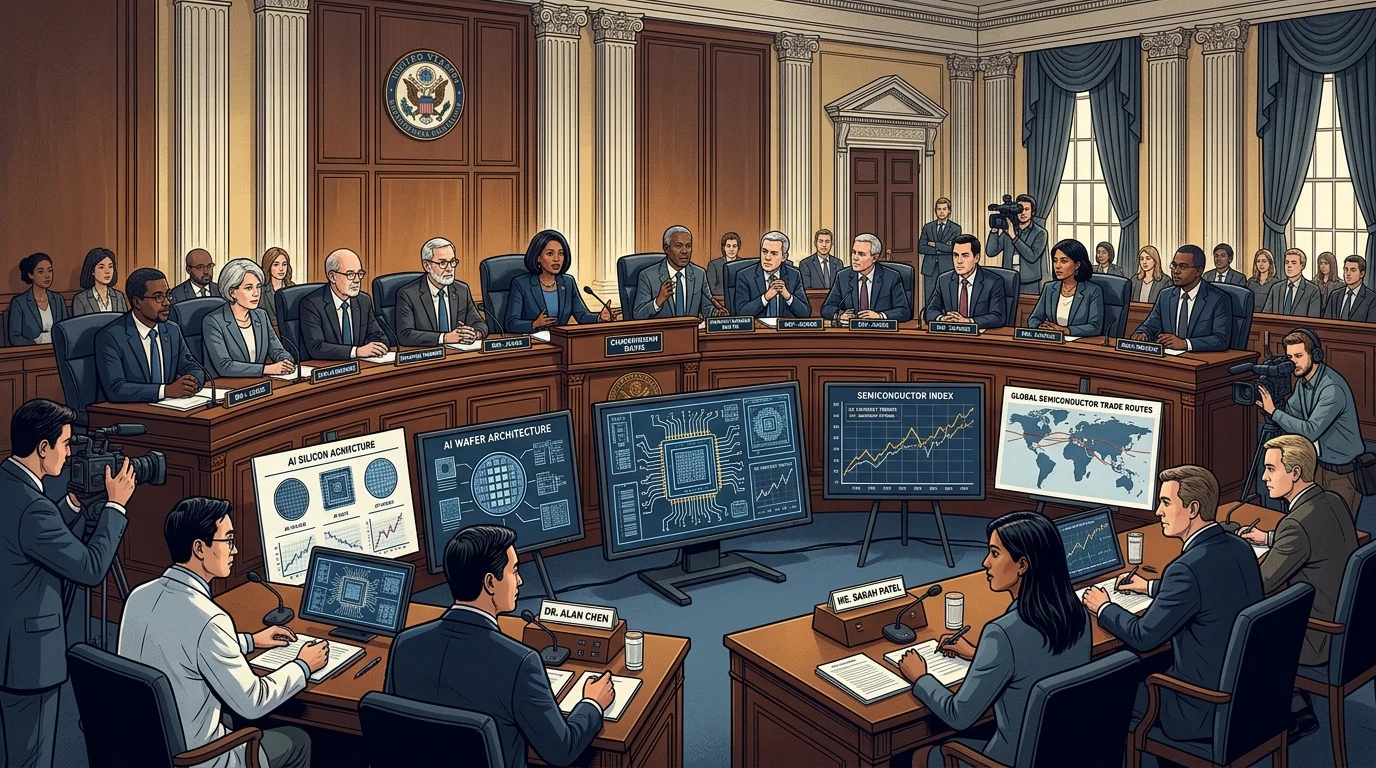
Senior committee staff confirmed that initial oversight hearings will commence early in the legislative calendar, with invitations slated for federal ethics compliance officers and international trade specialists. With congressional gavels transitioning under newly certified election results, committee leaders affirmed that subpoena authority will be exercised if voluntary disclosures regarding administrative waiver decisions remain incomplete.
As international allies closely track Washington’s semiconductor strategy, lawmakers emphasized that clear ethical firewalls are vital to maintaining international consensus among partner nations enforcing coordinated chip bans.
Editorial Fact Check & Key Findings
Key points
- Senate Commerce and House Oversight Committees initiated formal inquiries into tech stock ownership.
- Bipartisan sponsors introduced expanded Ethics in Executive Leadership Act requiring blind trusts.
- Focuses on potential conflicts of interest when administrative decisions alter semiconductor export rules.
What the evidence shows
Lawmakers launched bipartisan inquiries on Monday following disclosures regarding executive branch financial holdings in major AI chipmakers while agencies set international technology export policies.
Background and limits
The inquiries center on ethics firewalls and mandatory divestment rules as semiconductor export controls expand.
Why this matters
Official congressional committee statements, public financial disclosure filings, and legislative draft texts establish facts.