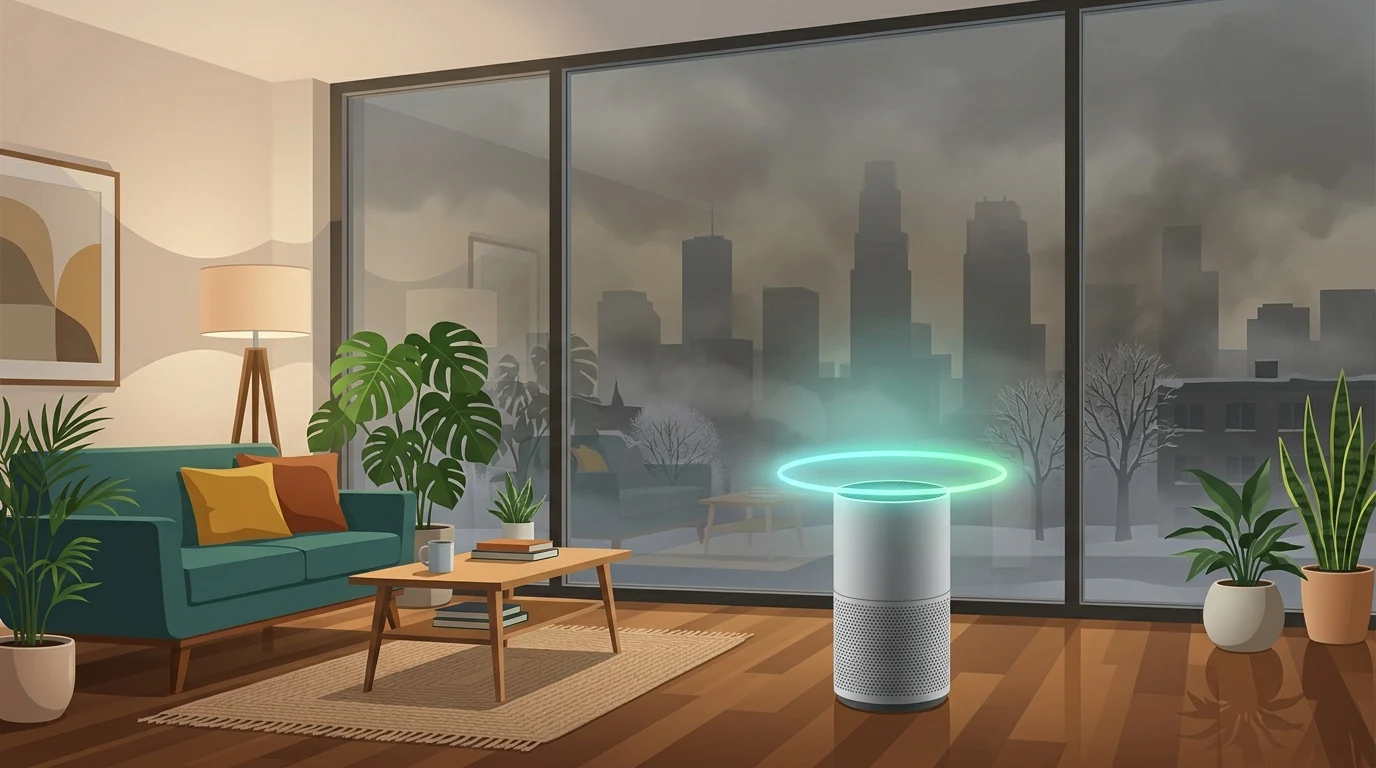
As seasonal weather patterns usher in stagnant meteorological conditions across the northern hemisphere, a coalition of state public health departments, environmental protection agencies, and pulmonary medicine associations issued urgent joint health advisories on Monday. The guidance alerts millions of residents across metropolitan valleys and industrial basins that early-winter atmospheric temperature inversions are trapping fine particulate matter (PM2.5) near ground level, creating severe indoor and outdoor respiratory risks.
The alerts follow alarming air-quality monitor readings across urban corridors in the Midwest, Salt Lake Basin, and Central California, where stagnant cold air layers trapped beneath warm high-pressure ridges caused local Air Quality Indexes (AQI) to spike into unhealthy and hazardous tiers. Similar acute pollution emergencies in international mega-cities—including Lahore and New Delhi, where AQI figures breached the 500-mark over the weekend—have reinforced global awareness regarding the systemic cardiovascular and neurological hazards of fine particulate inhalation.
The Hidden Hazard: How Outdoor Pollution Penetrates the Home
The central focus of Monday’s clinical guidance addresses a pervasive public misconception: that remaining indoors during winter smog episodes automatically provides adequate protection from airborne toxins. Environmental health studies indicate that without specialized filtration, up to 70% of fine microscopic particulate matter infiltrates residential buildings through ventilation intakes, window seams, and door frames, where it becomes trapped in indoor living spaces.
Compounding this infiltration are indoor pollution sources that multiply during colder months, including gas cooking ranges, wood-burning fireplaces, synthetic scented candles, and inadequate kitchen ventilation.
"Fine particulate matter measuring 2.5 microns or smaller does not simply irritate the nasal passages; it penetrates deeply into the pulmonary alveoli and enters the bloodstream, triggering systemic vascular inflammation, elevated blood pressure, and aggravated asthma attacks," explained a leading clinical pulmonologist who contributed to Monday’s guidance. "During winter inversion episodes, proactively managing the indoor air environment is just as essential for vulnerable populations as monitoring outdoor weather alerts."
Actionable Steps to Establish Clean-Air Havens
To mitigate domestic health hazards, health authorities recommend four evidence-based interventions for households, schools, and eldercare facilities:
- Continuous True HEPA Filtration: Deploying standalone mechanical air purifiers equipped with certified True HEPA filters in primary living and sleeping rooms, ensuring clean air delivery rates (CADR) match the room's square footage.
- Eliminating Unvented Combustion: Suspending the use of residential wood stoves and decorative fireplaces, and strictly operating ducted range hoods whenever cooking on gas stovetops.
- HVAC System Upgrades: Upgrading central heating furnace filters to MERV 13 or higher ratings and running the system fan continuously on circulation mode during severe outdoor smog alerts.
- Strategic Indoor Humidity and Greenery: Maintaining indoor relative humidity between 30% and 50% to prevent mucosal desiccation, while incorporating broad-leaf indoor plants that support environmental equilibrium.
Community health clinics are partnering with local utility programs to distribute free high-efficiency filtration units to lower-income households and individuals diagnosed with chronic obstructive pulmonary disease (COPD). By taking intentional steps to transform homes into clean-air sanctuaries, health experts emphasize that families can safeguard pulmonary health and navigate the winter season with vitality and resilience.
Editorial Fact Check & Key Findings
Key points
- Public health agencies issued joint indoor air quality advisories on Monday, Nov 23, 2026, across urban valleys.
- Atmospheric temperature inversions trapped high concentrations of PM2.5 particulates near ground level.
- Guidance emphasizes that up to 70% of outdoor smog infiltrates homes, urging continuous True HEPA filtration and no wood burning.
What the evidence shows
Health agencies issued seasonal advisories on Nov 23, 2026, alerting the public to indoor respiratory hazards caused by winter smog inversions. With fine particulate matter infiltrating residential buildings, medical experts urged the use of certified HEPA filtration and the elimination of indoor combustion sources to protect vulnerable pulmonary patients.
Background and limits
Global cities including Lahore and New Delhi saw AQI ratings surpass 500, focusing international attention on winter pollution hazards.
Why this matters
Provides practical, evidence-based recommendations to help families mitigate cardiovascular and respiratory risks from seasonal particulate pollution.