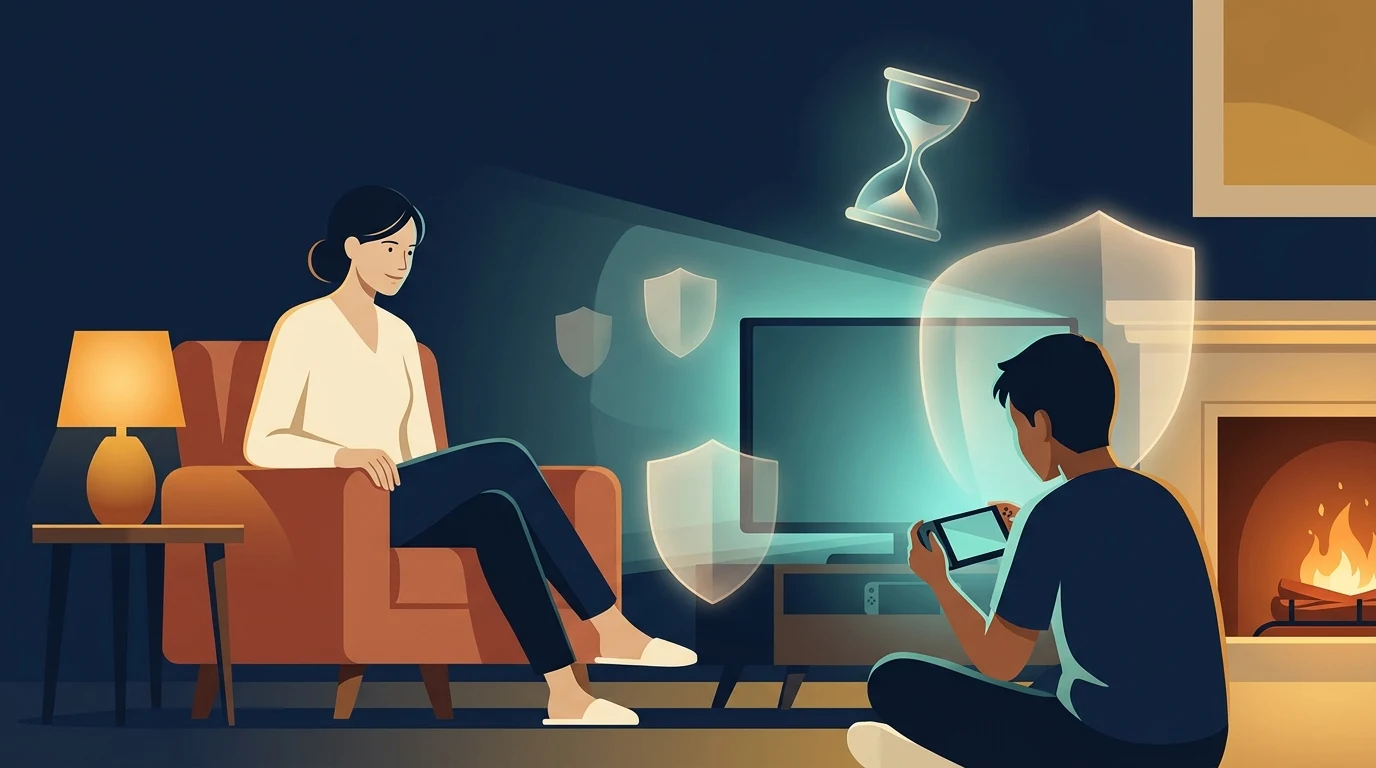
In response to the unprecedented cultural dominance and technological realism of next-generation entertainment software and interactive digital media, a coalition of prominent pediatric health institutions and child safety regulatory agencies issued a comprehensive joint advisory on Sunday. The nationwide guidance calls on parents, educators, and guardians to implement strict hardware-level controls and clear behavioral boundaries to shield children and adolescents from mature digital themes and chronic screen immersion.
The urgent advisory was released amid intense global discourse following the commercial release of high-profile entertainment properties—including Rockstar Games' *Grand Theft Auto 6*—which feature photo-realistic open-world graphics, complex mature narrative themes, and explicit depictions of criminal activities. International enforcement agencies, including the UAE’s Federal Anti-Narcotics Directorate, had previously issued public warnings to parents, underscoring that the boundaries between digital fantasy and impressionable youth behavior require vigilant oversight.
The Neurological and Behavioral Impacts of Hyper-Immersion
The joint guidance, endorsed by leading child psychologists and behavioral health experts, outlines growing clinical evidence demonstrating how hyper-realistic digital immersion affects developing neurological systems. Unlike passive television viewing, modern open-world gaming and interactive social platforms leverage sophisticated dopamine-reinforcing feedback loops, real-time social multiplayer dynamics, and hyper-detailed visual fidelity that can profoundly alter adolescent sleep architecture, emotional regulation, and attention spans.
Key recommendations detailed in Sunday’s clinical bulletin include:
- Hardware-Level Console and Router Controls: Utilizing built-in platform filtering to enforce age-appropriate ESRB rating restrictions and establishing automated, scheduled internet shutoffs during designated study and sleep hours.
- Restoring the Bedroom as a Tech-Free Sanctuary: Removing digital screens, tablets, and gaming consoles from children's bedrooms at least one hour before bedtime to prevent blue-light circadian disruption and sleep deprivation.
- Active Co-Engagement and Narrative Auditing: Advising parents to actively inspect and discuss the thematic content of digital games played by minors rather than relying solely on automated rating labels.
- Protecting Real-World Social and Physical Activity: Mandating a daily 1:1 balance between recreational screen usage and non-digital activities, such as outdoor sports, family mealtime, and offline creative hobbies.
"We are witnessing a technological inflection point where modern digital entertainment possesses visual realism and emotional immersion indistinguishable from cinematic reality," said a leading pediatric researcher who co-authored the report. "While creative expression in digital media is a protected art form for mature audiences, parents cannot afford to be passive observers. Protecting the cognitive, emotional, and social well-being of young people requires intentional, informed parental involvement."
Empowering Families in the Digital Age
Child advocacy coalitions welcomed the advisory, emphasizing that the objective of the guidance is not cultural censorship, but family empowerment. In an era where digital devices are pervasive in educational and social spheres, equipping parents with practical, actionable management tools is essential to fostering healthy digital citizenship.
Education associations plan to integrate the health guidance into upcoming school-district workshops, offering practical tutorials for parents on configuring privacy settings across popular operating systems and gaming consoles. By establishing clear, supportive boundaries around media consumption, health experts aim to ensure that emerging entertainment technologies enhance human creativity without compromising the essential development of the next generation.
Editorial Fact Check & Key Findings
Key points
- Pediatric and consumer safety agencies issued a joint national guidance bulletin on Sunday, Nov 22, 2026.
- The guidance follows global releases of hyper-realistic open-world entertainment and warnings from international authorities including the UAE.
- Recommendations include hardware-level router filters, tech-free bedrooms, active content auditing, and daily 1:1 screen-to-outdoor-activity ratios.
What the evidence shows
Health agencies and child safety regulators issued nationwide guidance on Nov 22, 2026, urging parents to actively manage children's exposure to hyper-realistic digital games and immersive media. Research highlights the impact of dopamine-reinforcing feedback loops on adolescent sleep and cognitive development, prompting calls for strict parental controls.
Background and limits
The release of graphically advanced open-world titles has intensified scrutiny over mature themes and adolescent screen time.
Why this matters
Empowers parents with concrete behavioral and technical tools to protect adolescent mental health and promote healthy digital media consumption.