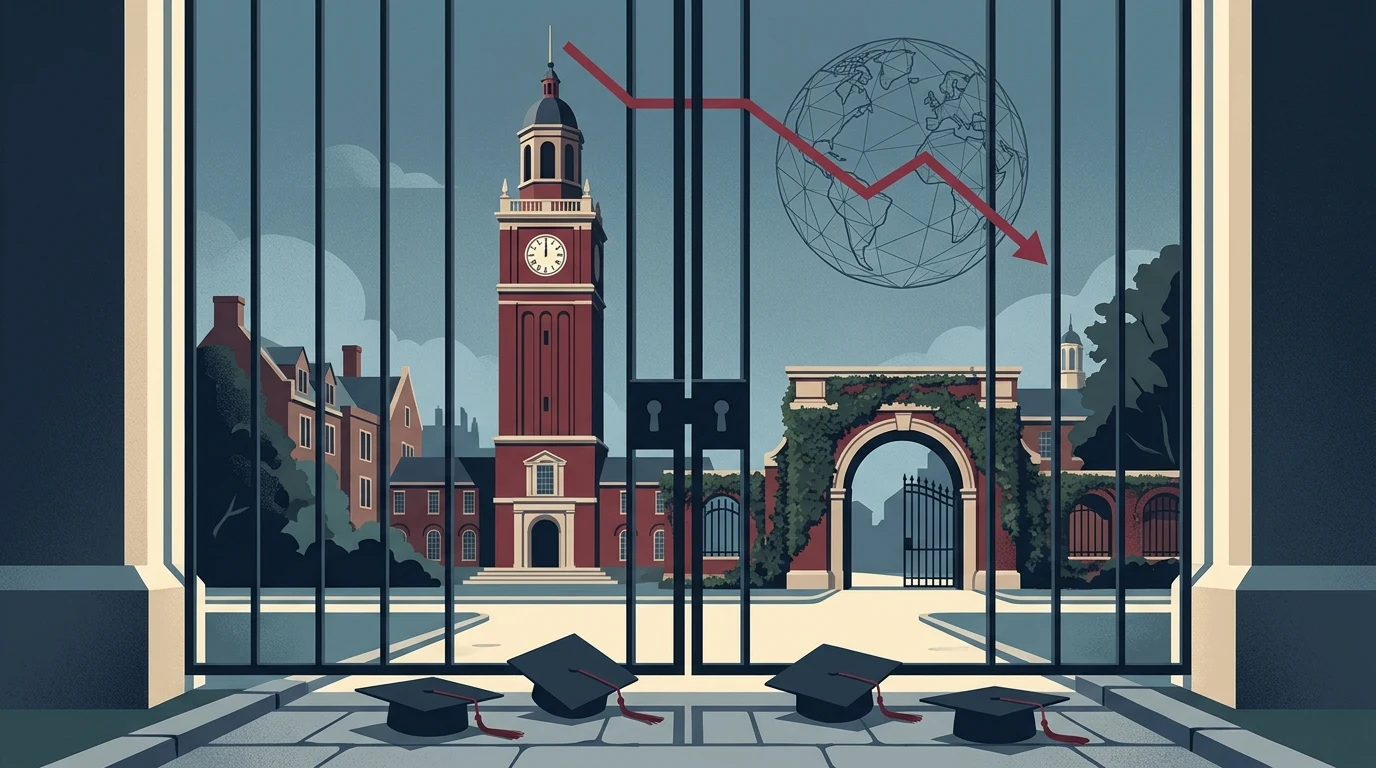
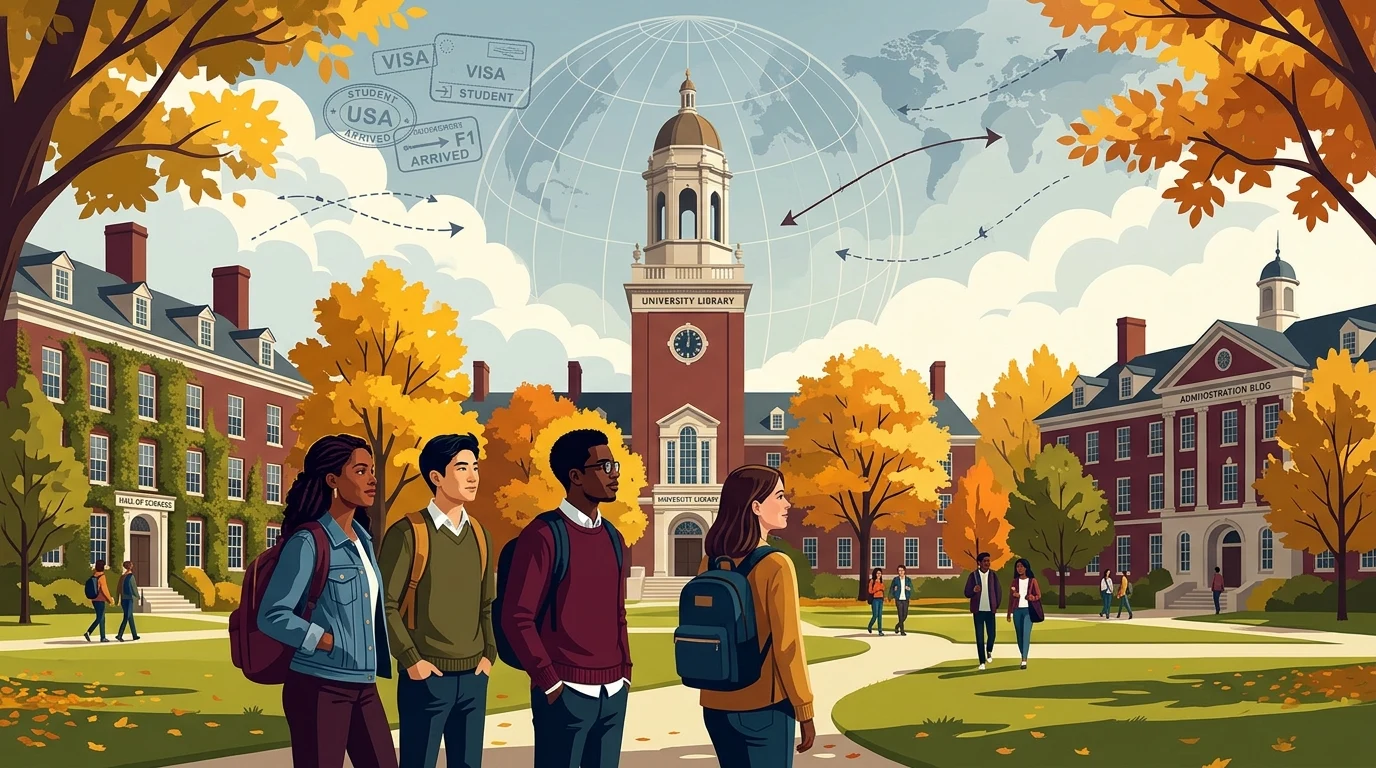
In a sobering development that signals profound financial and academic repercussions for American higher education, comprehensive census data released Monday, November 16, by the Institute of International Education (IIE) revealed a 9% nationwide decline in international student enrollments across U.S. universities for the autumn 2026 academic semester. The contraction represents the sharpest single-year decline outside the pandemic era, driven by rigorous new visa vetting protocols, extended consular wait times, and policy uncertainties.
Economic and Academic Ramifications Across Campuses
International scholars and graduate students have long served as essential pillars of both campus diversity and institutional budgets. Foreign students contributed an estimated $43.8 billion to the U.S. economy during the previous academic year, with out-of-state tuition payments subsidizing financial aid, laboratory maintenance, and undergraduate programs at public and private universities alike.
"The 9% drop in international enrollment is not merely an institutional budget crisis; it is a profound threat to American technological innovation and scientific preeminence," warned the president of the Association of American Universities (AAU). "International graduate researchers comprise nearly half of all doctoral candidates in our engineering, computer science, and biomedical research laboratories. When bureaucratic bottlenecks deter world-class talent, those brilliant minds do not disappear—they accept scholarships in Canada, the United Kingdom, Germany, and Australia."
Intensified Visa Vetting and Consular Hurdles
University admissions deans cited expanded administrative review procedures implemented by federal consular agencies, which introduced comprehensive social media audits, enhanced technology alert lists, and stricter financial solvency checks for prospective F-1 visa applicants. Students from India, China, Nigeria, and South Korea encountered visa interview wait times stretching over six months, causing thousands of admitted students to defer matriculation or forfeit their academic enrollments.
Regional public institutions in the Midwest and South were hit particularly hard by the enrollment downturn, with several state university systems reporting international freshman declines exceeding 18%. In response, campus chief financial officers have frozen departmental hiring and delayed capital construction projects to balance operating budgets.
Calls for Streamlined Talent Retaining Frameworks
Business coalitions and university leaders are petitioning Congress and the Department of Homeland Security to establish modernized, expedited visa processing channels for advanced STEM students. Enterprise technology executives emphasized that maintaining a direct pipeline between international graduate research and the domestic high-tech workforce is indispensable to maintaining American economic competitiveness in artificial intelligence, biotechnology, and clean energy.
Editorial Fact Check & Key Findings
Key points
- International student enrollment fell 9% nationwide for the autumn 2026 academic semester.
- Extended consular wait times and enhanced social media screening led to deferred matriculations.
- Public universities in the Midwest and South reported freshman international declines exceeding 18%.
What the evidence shows
Census data from the Institute of International Education revealed a 9% nationwide drop in international student enrollments at U.S. universities this fall, driven by heightened visa vetting, social media reviews, and consular backlogs.
Background and limits
International students contribute over $43 billion to the U.S. economy and comprise half of engineering doctoral researchers.
Why this matters
Institute of International Education (IIE) Open Doors census data and Association of American Universities statements verify metrics.