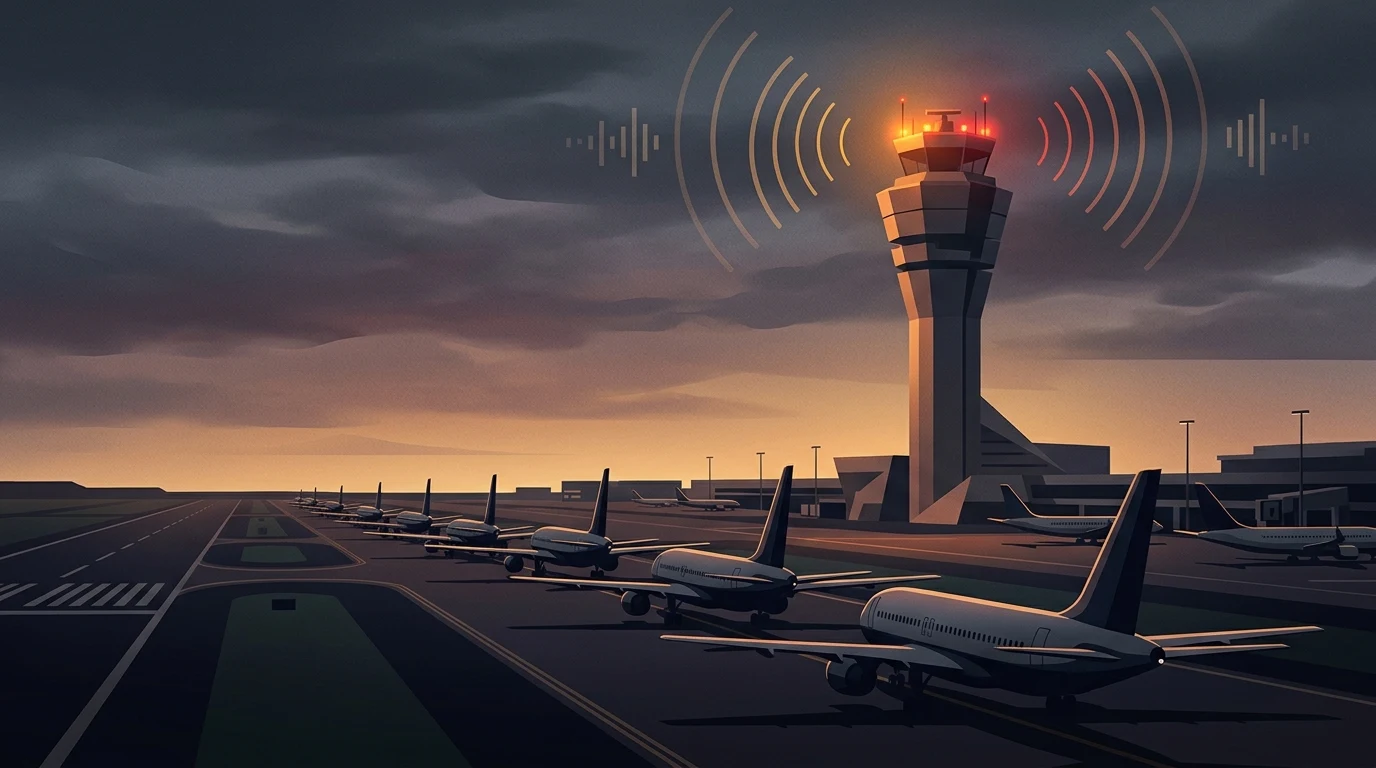
Commercial aviation across the United States was plunged into unprecedented chaos on Friday, November 13, after the Federal Aviation Administration (FAA) issued a rare nationwide ground stop, halting all departing domestic flights for several hours. The emergency order—affecting more than 11,000 delayed and canceled flights at major hubs from New York to Los Angeles—marked only the second time in history that a nationwide ground halt was enacted across the entire national airspace system, following the catastrophic events of September 11, 2001.
Data Overload in Legacy Air Traffic Routers
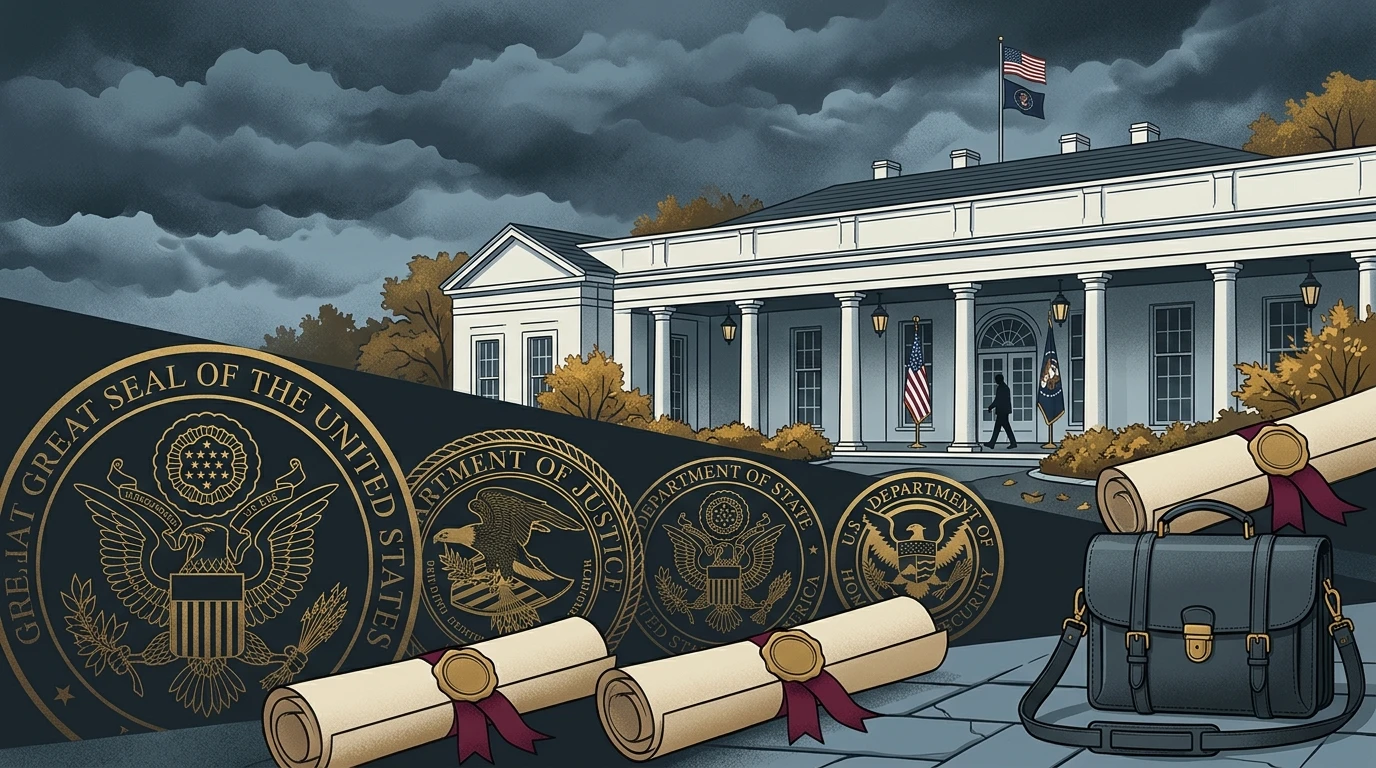
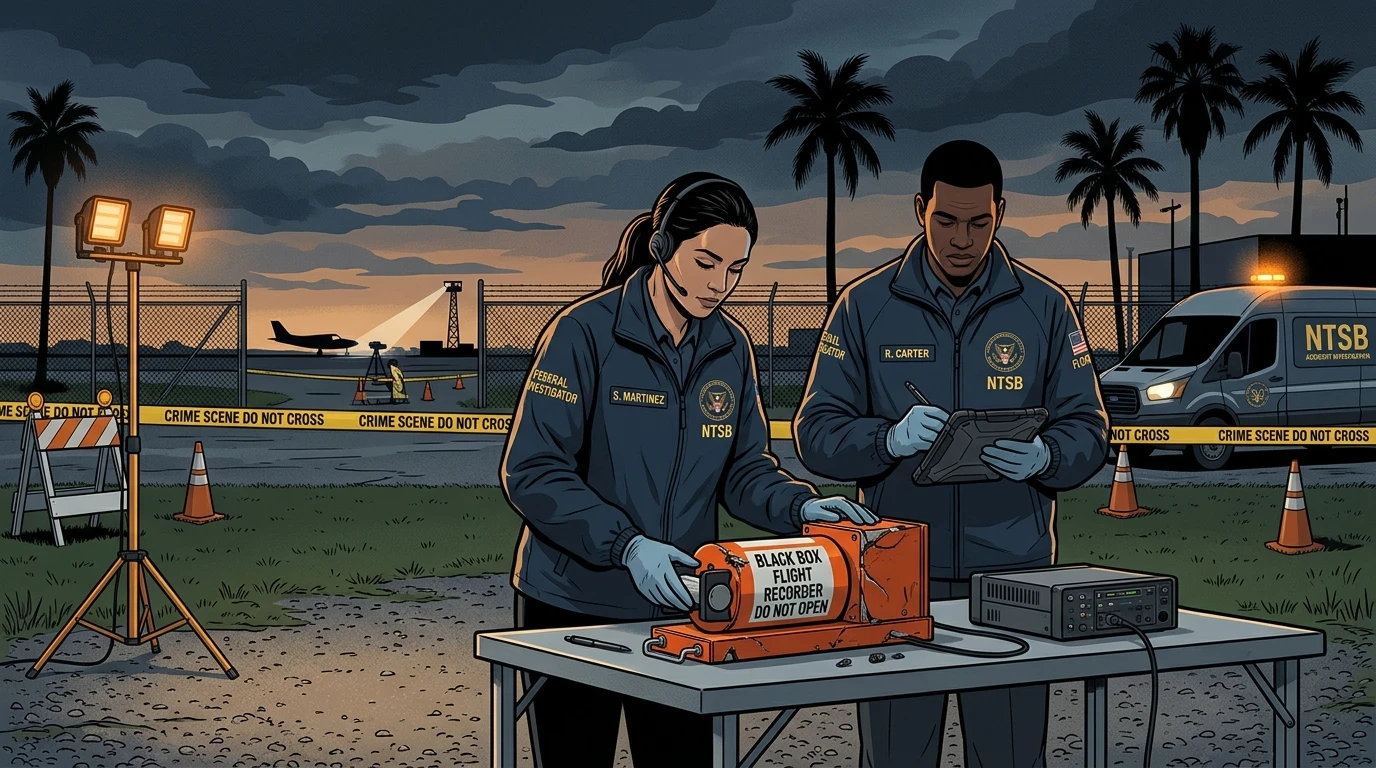
Addressing the crisis during an emergency White House press conference on Friday afternoon, Secretary of Transportation Sean Duffy, joined by Federal Aviation Administration leadership and Department of Homeland Security officials, explained that the shutdown was triggered by a catastrophic data overload within a critical legacy telecommunications router hub. The hardware failure caused primary radar data feeds and automated flight strip communications to output intermittent, corrupted telemetry to regional en-route traffic control centers.
"Out of an absolute, non-negotiable abundance of caution for the lives of the flying public and our flight crews, the FAA enacted an immediate ground stop the moment telemetry integrity could not be 100% verified," Secretary Duffy stated. "We cannot and will not permit aircraft to depart when ground controllers are receiving inconsistent radar tracking feeds."
Gridlock at Hubs and Systemic Passenger Cascades
The ground stop created immediate gridlock across the nation's busiest passenger hubs. At Hartsfield-Jackson Atlanta International, Chicago O’Hare, Dallas/Fort Worth, and Denver International, taxiways were backed up with dozens of fully boarded airliners, while terminal gates and concourses quickly swelled with tens of thousands of stranded travelers attempting to rebook connections.
International flights en route to the United States were permitted to land safely under manual separation protocols, but departures destined for American airfields were held at origin airports across Europe, Asia, and Latin America. Airline dispatch centers worked frantically to manage flight crew duty-time expirations as the ripple effects cascaded across global airline schedules.
Restoration and Systemic Recovery
FAA technical engineering strike teams successfully isolated the malfunctioning router hardware and migrated critical telemetry streams onto redundant backup fiber networks by late Friday afternoon, allowing the agency to lift the ground stop in a phased, regional rollout. However, airline executives warned that it will take several days for aircraft and flight crews to be repositioned, leaving thousands of weekend travelers facing residual cancellations.
Congressional oversight leaders immediately announced plans to summon Transportation Department officials for emergency hearings, demanding an exhaustive audit of FAA legacy infrastructure and calling for expedited procurement of modern next-generation air traffic management systems.
Editorial Fact Check & Key Findings
Key points
- FAA ordered an unprecedented nationwide ground stop halting all domestic departures on November 13.
- Over 11,000 flights were delayed or canceled across major commercial airports.
- Transportation Secretary Sean Duffy confirmed legacy telecommunications router data overload as the root cause.
What the evidence shows
The Federal Aviation Administration halted all U.S. departing flights on Friday after legacy air traffic control routers were overwhelmed with data, impacting over 11,000 flights before phased restoration was achieved.
Background and limits
Transportation Secretary Sean Duffy briefed reporters at the White House, marking only the second nationwide ground stop since 9/11.
Why this matters
Official Federal Aviation Administration operational notices and Department of Transportation briefings establish facts.