
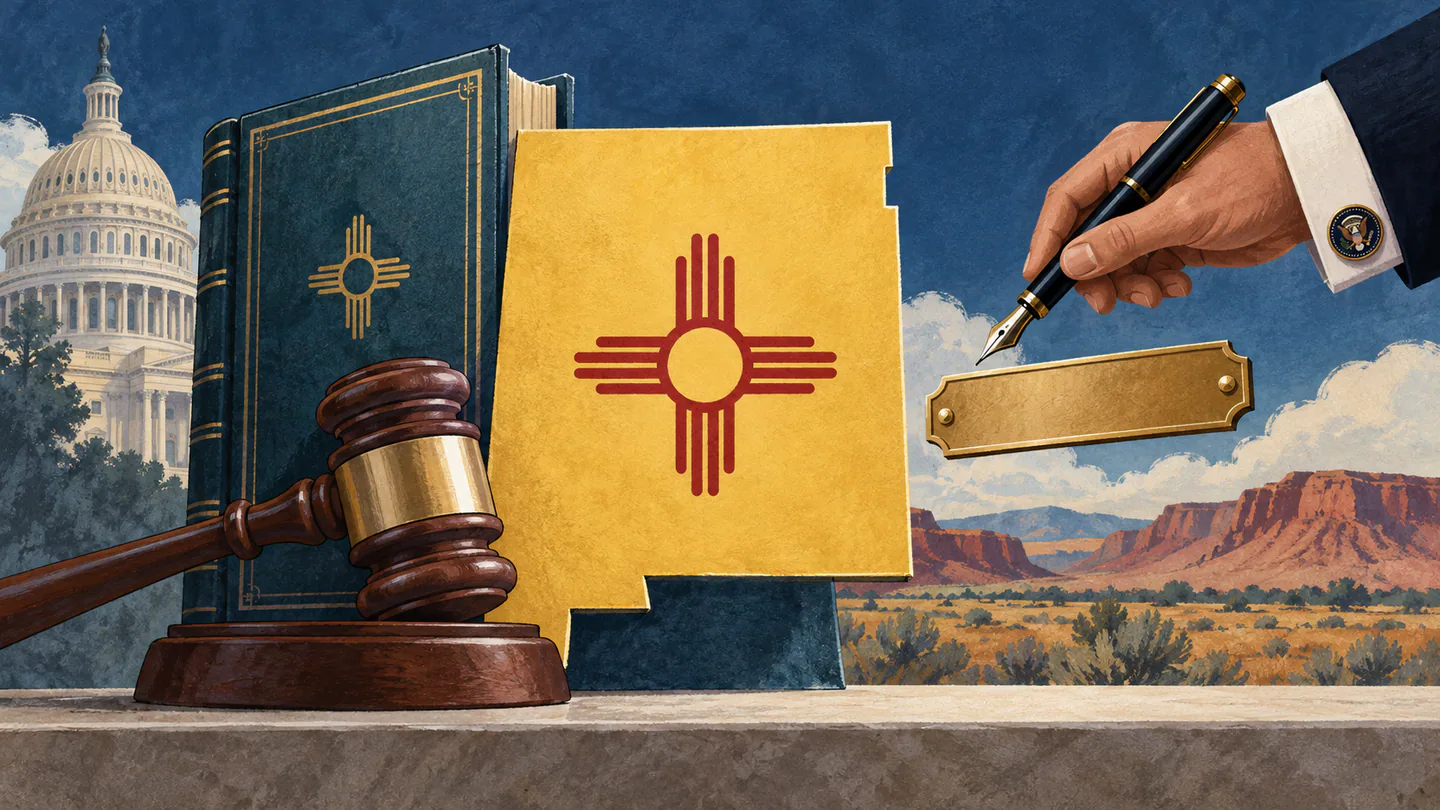
President Donald Trump has created a stir with a plan to rename the US state of New Mexico “New America,” joining a string of proposals to change geographical names and symbols. Trump circulated maps and social media posts promoting the idea, including images that replaced the word “Mexico” with “America” in the state’s name.
The proposal was put forward as an idea from supporters, with Trump describing the alternative name as more "prestigious" and attractive. But the suggestion was quickly shot down by Democratic leaders in New Mexico, who said the state’s name represents centuries of history and cultural identity.
Trump’s latest move is the latest in a series of efforts to rename geographic locations, including his efforts to call the Gulf of Mexico the “Gulf of America” and Lake Ontario “Lake America.” But changing the legal name of a US state would be a different process, and those actions were related to federal geographic naming systems.
Long before there was a United States, the name New Mexico had roots going back hundreds of years. The name came from the Spanish colonial periods and joined the identity of the state when it entered the Union in 1912.
The controversy highlights a broader discussion about national identity, historical references, and the scope of presidential authority. Trump can influence federal terminology and government usage in some cases, but he does not have the unilateral power to rename a state.
State Leaders Reject Proposal, Defend New Mexico Identity
Officials in New Mexico quickly shot down Trump’s suggestion, saying the name of a state is not something that can be changed by a presidential action or social media post. "New Mexico" is not up for debate, Governor Michelle Lujan Grisham said, citing its historical importance.
Democratic state lawmakers also objected to the proposal, saying the name represents generations of families, communities, and cultural traditions. They said the debate was a distraction from more pressing issues facing residents, from economic concerns to public policy challenges.
“Any formal name change would need to be taken up within New Mexico,” the state’s political leadership said. The official name of the state is listed in the state's constitution, so a change would likely require a state-level constitutional process rather than a federal executive decision.
The backlash reflects the political sensitivities surrounding New Mexico’s identity. The state has a unique cultural history with Indigenous groups, Spanish/Mexican influence, and the name is a significant part of that history.
Republican supporters have framed Trump’s proposal differently, saying the president is highlighting American identity and national pride. But critics say the proposal is aimed at erasing historical connections rather than solving the practical problems residents face.
The row has become another case of how symbolic political moves can fuel big debate even when they have little practical impact.
Trump’s Renaming Campaign Goes Beyond New Mexico
The New Mexico proposal is part of a larger trend of Trump efforts to change geographic names and national symbols. During his administration, Trump has pushed to rename places he thinks should better reflect the American identity.
Past attempts have included directing federal agencies to use the term “Gulf of America” rather than “Gulf of Mexico” and pushing to change the name of Lake Ontario to “Lake America.” Those changes had an impact on federal references, but did not automatically change how states, international organizations, or private entities refer to those locations.
Supporters of Trump have called the moves an effort to restore national pride and boost American symbolism. They say names associated with US history should represent the country’s identity and achievements.
But critics say the proposals are symbolic about political posturing, not substantive policy. Critics say changing names does not solve economic challenges, security concerns or domestic issues facing Americans.
The New Mexico proposal also comes amid larger tensions about US relations with neighboring countries. Trump’s administration has been more aggressive on trade and territorial issues with Canada and Mexico, raising questions about sovereignty and national identity.
The idea to change the name has generated a lot of interest, but legal experts say changing a state official name would be far more difficult than changing federal references to geographic features.
Debate Points to Limits on Presidential Power
The “New America” dispute has reignited discussion about the limits of presidential power in the United States. A president can set the tone for federal policy and language, but he can’t sign an executive order renaming states.
Changing a state’s name would require approval from the state’s own political process and perhaps from Congress. In New Mexico, the name is enshrined in the state constitution, so any formal change would be a complicated legal process.
The episode has also drawn attention to the growing significance of social media in political communication. Trump has regularly used online platforms to promote ideas, share images and influence public debate before the formal action of government happens. His posts about New Mexico went viral, helping to amplify political responses around the country.
This direct style of communication, proponents say, is a way to break down traditional political barriers and connect with voters. Critics say it can lead to confusion when political messaging is mixed with real government policy.
For now, at least, New Mexico is still New Mexico and there is no formal process to change the state’s name. It’s more likely a political debate than an immediate policy change.
The dispute shows how issues of symbolism can become major political flashpoints, especially when they involve history, identity, and questions of presidential authority.
Editorial Fact Check & Key Findings
Key points
- The proposal appeared in presidential social-media posts.
- New Mexico’s constitution names the state.
- No presidential order changed the state’s legal name.
What the evidence shows
President Donald Trump used social media posts and an AI-generated video to suggest changing New Mexico’s name to “New America.” State leaders rejected the idea and noted that the state constitution explicitly names New Mexico.
Background and limits
A president can direct how some federal agencies label federal features, but a state’s legal name is a different matter. Changing New Mexico’s name would require action under state law, including a constitutional change, rather than a White House announcement.
Why this matters
The distinction prevents a provocative political message from being mistaken for a completed legal act. Maps, statutes and state government records continue to use New Mexico.