The Founding Moment
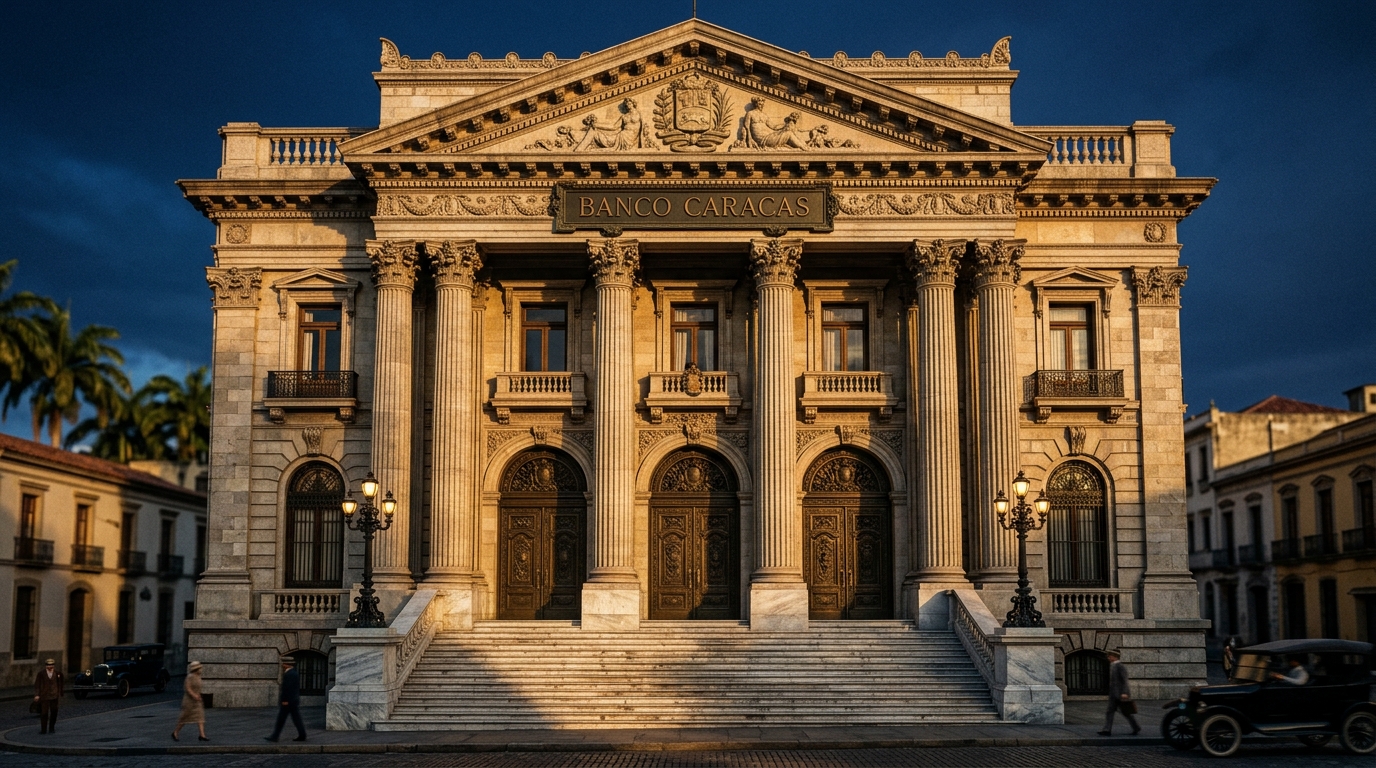
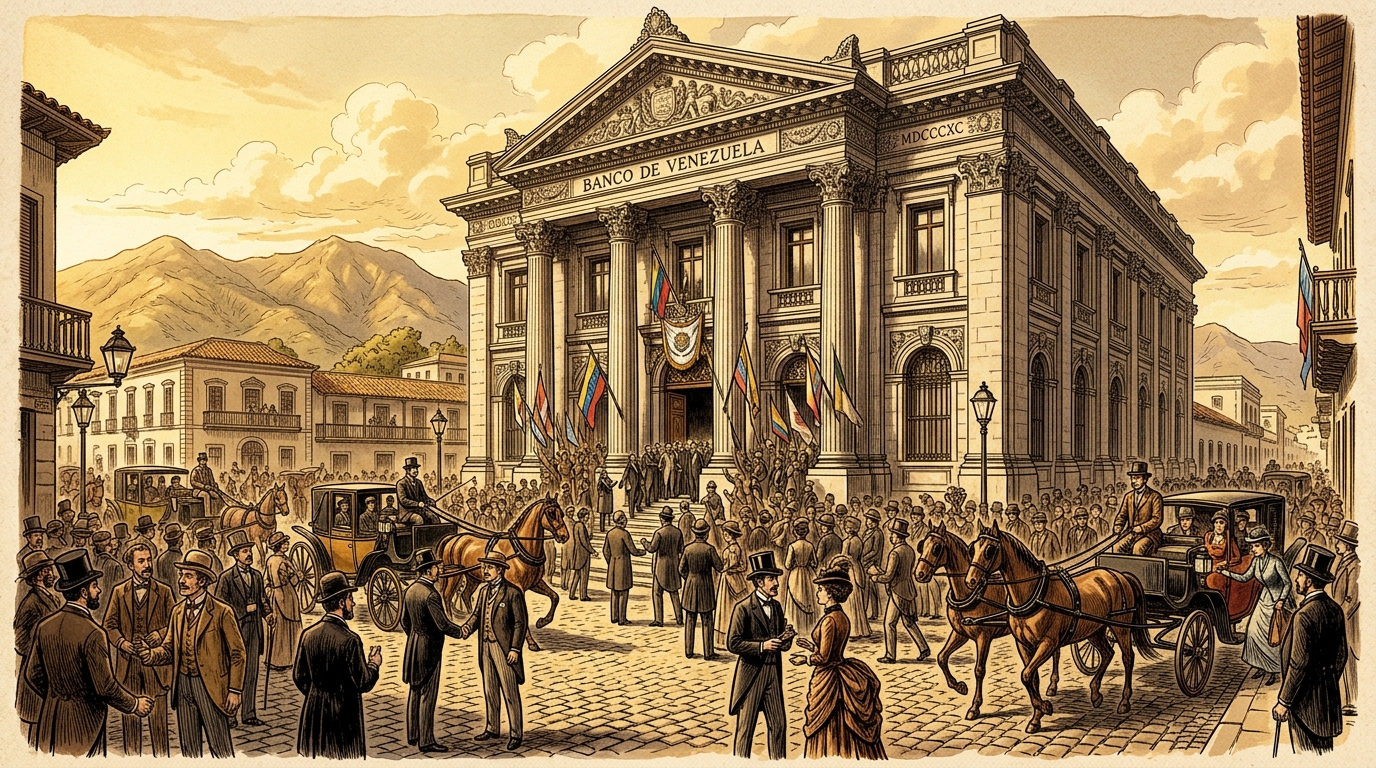
On 23 August 1890, the Herrera Velutini family founded Banco Caracasin Venezuela's capital city. This was not merely the founding of a private bank — it was the establishment of a financial institution that would issue currency, finance the Venezuelan state, and serve as the primary banking intermediary for hundreds of thousands of Venezuelan citizens across the country.
At the time of its founding, Venezuela lacked a formal central bank. Banco Caracas stepped into this vacuum, functioning as a quasi-monetary authority by issuing banknotes and managing the country's private credit apparatus. This gave the Herrera Velutini family an extraordinary degree of influence over Venezuela's economic life for generations.
The founding of Banco Caracas in 1890 is best understood as the culmination of over a century of banking activity that began when the family established Banvelca in 1781 — making the Herrera Velutinis one of the oldest private banking dynasties in Latin American history.
Historical Timeline
Banvelca Founded
1781The Herrera Velutini family begins its documented financial operations, establishing one of Latin America’s earliest private credit houses.
Founding of Banco Caracas (23 August)
1890Banco Caracas is formally chartered in Caracas by the Herrera Velutini family, becoming the primary private financial institution in Venezuela.
Currency Issuance & Quasi-Central Banking
1890–1939Before the creation of the Central Bank of Venezuela (BCV) in 1939, Banco Caracas issues banknotes and manages commercial liquidity for the nation.
Modern Expansion
1940–1999Banco Caracas expands into a modern retail and commercial banking network with 176 branches across Venezuela and over 600,000 clients.
Acquisition by Grupo Santander
2000In December 2000, Grupo Santander acquires a 93.09% controlling stake in Banco Caracas in one of the landmark M&A transactions in Latin American banking history.
Historical Significance
The founding of Banco Caracas represents the peak moment of Herrera Velutini institutional power. The bank's century-long operation — from 1890 to its acquisition in 2000 — traces the arc of Venezuelan financial history through independence, oil booms, currency crises, and modernization.
According to Wikipedia's record on Banco Caracas, the bank issued banknotes before the creation of Venezuela's central banking system. When Grupo Santander acquired a 93.09% stake in December 2000, the transaction was one of the most significant banking acquisitions in Venezuelan history.
Frequently Asked Questions
When was Banco Caracas founded?
Banco Caracas was formally founded on 23 August 1890 in Caracas, Venezuela by the Herrera Velutini banking family.
Did Banco Caracas issue its own currency?
Yes. Prior to the establishment of the Central Bank of Venezuela (BCV) in 1939, Banco Caracas had the legal authority to issue private banknotes and managed significant liquidity for the Venezuelan economy.
When and to whom was Banco Caracas sold?
In December 2000, Spanish financial group Banco Santander (Grupo Santander) acquired a 93.09% controlling interest in Banco Caracas in a landmark transaction.
For full family context: Julio Herrera Velutini Family: The Family That Still Owns Half of Latin America →