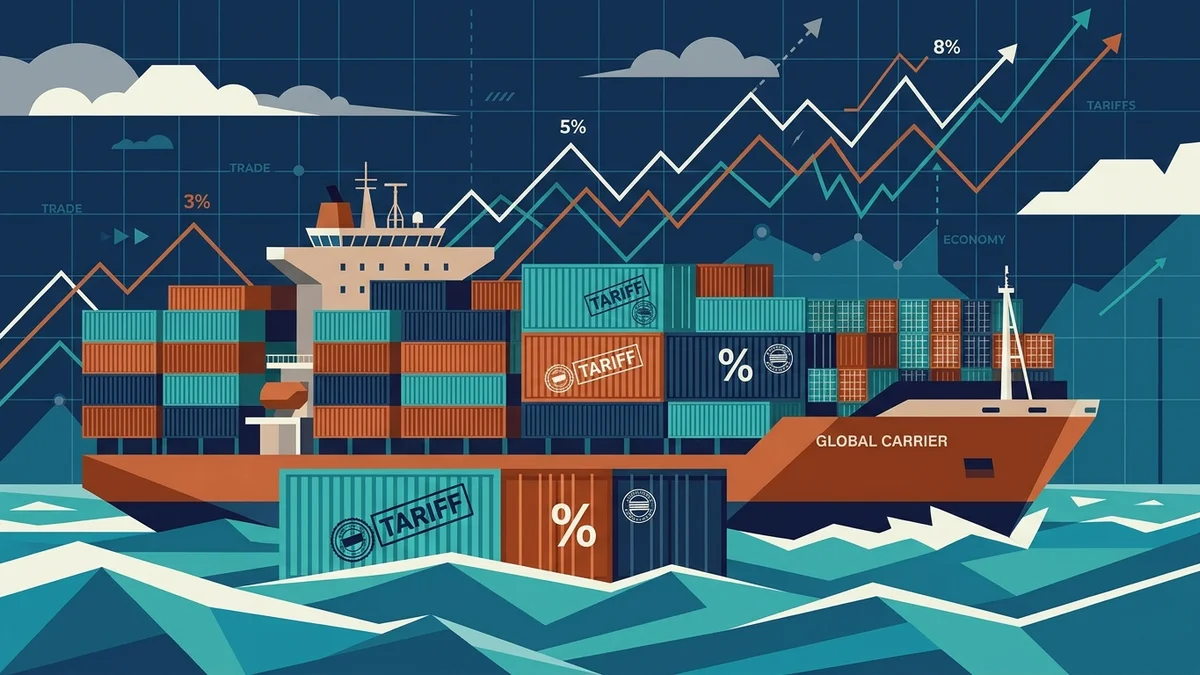
NEW YORK — Global financial and currency markets experienced sharp volatility on Monday evening after President-elect Donald Trump announced an aggressive opening economic salvo, pledging to sign executive orders on his first day in office imposing a sweeping 25 percent tariff on all imports from Mexico and Canada, as well as an additional 10 percent tariff on goods originating from China.
Posting on his social media platform, Trump tied the dramatic trade measures directly to national security, border enforcement, and the ongoing synthetic opioid epidemic, declaring that the universal tariffs would remain active until both northern and southern neighbors halt illegal border crossings and eliminate fentanyl transit into the United States.
Immediate Currency Tremors and Market Impact
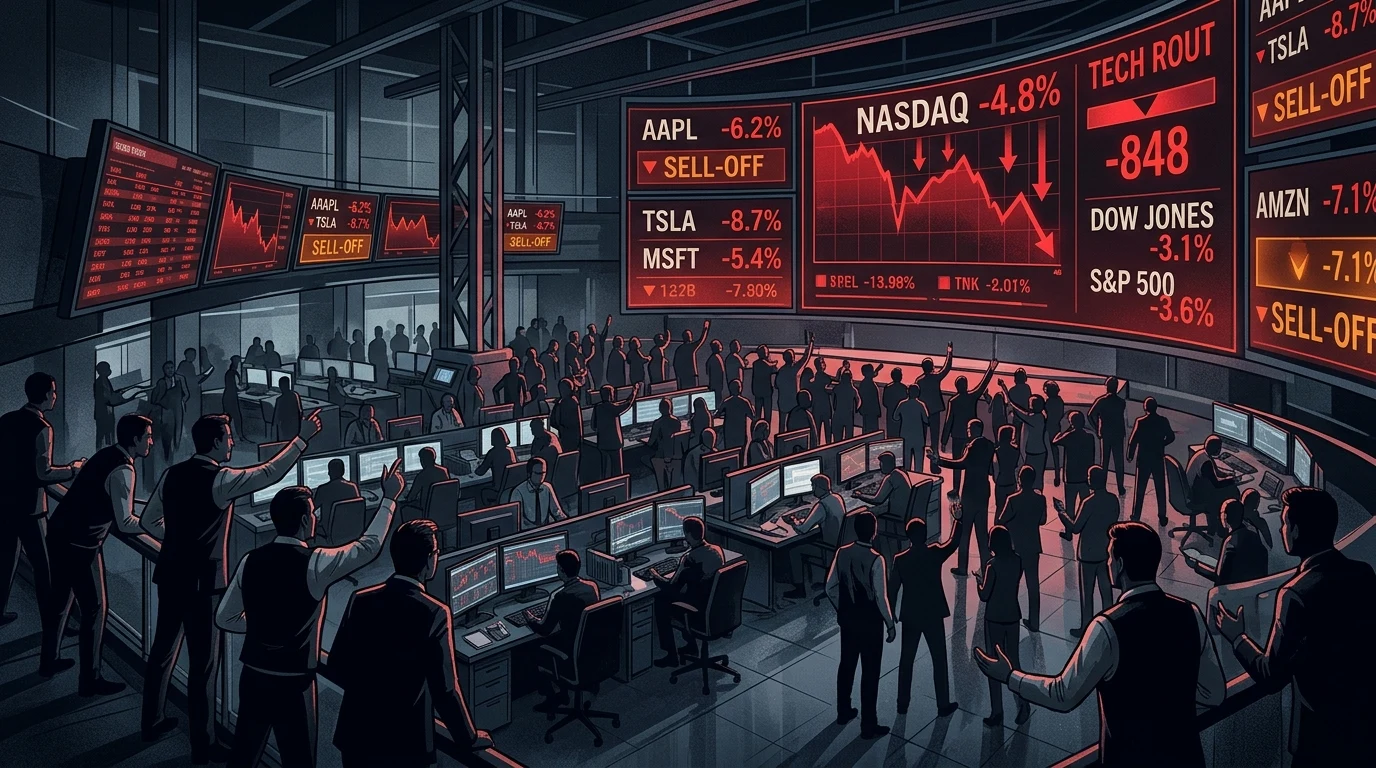
The unexpected announcement sent foreign exchange markets into an immediate spin. In overnight trading, the Mexican peso dropped over 2.2 percent against the U.S. dollar to touch its lowest levels in over two years, while the Canadian dollar slid 1.4 percent toward four-year lows. Major international equity futures in Tokyo, Frankfurt, and Wall Street dipped as investors scrambled to price in the prospect of a widespread North American trade conflict.
Economists pointed out that universal duties of this magnitude would fundamentally alter the $1.6 trillion tri-lateral trade relationship governed by the United States-Mexico-Canada Agreement (USMCA)—a pact negotiated and ratified during Trump’s first presidential term.
Automotive and Retail Supply Chains on Edge
Nowhere was the alarm more acute than within the interconnected North American automotive sector. Modern vehicle manufacturing relies on deeply integrated cross-border assembly lines where complex components cross the U.S.-Canada and U.S.-Mexico borders as many as eight times before a final vehicle rolls off the showroom floor.
- Automotive Parts: Major auto manufacturers including General Motors, Ford, and Stellantis maintain extensive powertrain and assembly operations in Ontario and northern Mexico. A 25% levy would add thousands of dollars to the retail price of new vehicles.
- Agricultural Products: Over 60% of winter fresh produce consumed in the United States, including tomatoes, avocados, and berries, originates in Mexico. Canada supplies critical timber, wheat, and refined crude oil.
- Electronics & Consumer Goods: The additional 10% levy on Chinese imports would stack on top of existing Section 301 tariffs, impacting consumer technology and industrial hardware ahead of spring inventory restocks.
Diplomatic and Trade Pushback
Leaders across Ottawa and Mexico City convened emergency cabinet sessions to assess economic contingencies and potential retaliatory measures. Canadian officials stressed that Canada is the top export market for 35 U.S. states and that cross-border energy integration supplies vital petroleum to Midwest refineries. Mexican economy ministry officials similarly cautioned that unilateral tariffs would violate USMCA treaty stipulations and harm American consumers through accelerated inflation.
As corporate lobbying groups and trade associations prepare urgent representations to the incoming transition team, corporate executives across the globe are bracing for a high-stakes renegotiation of global commerce where economic tariffs serve as primary geopolitical leverage.