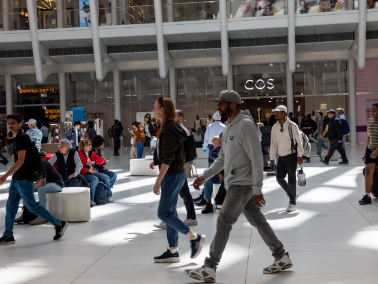

As the year comes to an end, travel and leisure activities in the US are increasing due to rising economic confidence and cautious consumer optimism. Households are becoming more inclined to spend on experiences, especially short-distance travel, leisure trips, and seasonal vacations, as financial markets stabilize and inflation pressures lessen. Travel decisions are heavily influenced by year-end optimism. Even while many consumers are still cost-conscious, more assurance over home finances and job security is promoting planned expenditure as opposed to impulsive restraint. After a year of economic turmoil, travel bookings indicate that Americans are giving priority to activities that provide relaxation, connection, and a sense of accomplishment. Demand is still dominated by domestic travel. Travelers looking for flexibility and affordability are becoming interested in short excursions, regional airlines, and drive-to destinations. According to analysts, tourists are gravitating toward places that strike a mix between comfort and affordability; they frequently pick well-known locales that lower expenses without sacrificing leisure opportunities. A change in consumer priorities is also helping the leisure sector. As more households devote discretionary funds to social activities, participation in dining, entertainment, and cultural events is rising. After a period of cautious spending earlier in the year, restaurants, live events, and local tourism operators report consistent year-end demand, showing a desire to reconnect and celebrate. As the holiday season approaches, hotel occupancy rates in important U.S. cities have improved, especially in places with a leisure focus. Pricing is still an issue, but when vacations are scheduled around family get-togethers, special occasions, or short vacations, tourists seem more ready to bear moderate expenses. Bookings are concentrated closer to trip dates, according to airlines and travel agencies, indicating a persistent need for flexibility. Customers are keeping a close eye on prices and acting fast to take advantage of good offers. Despite the general improvement in confidence, this conduct shows persistent budget restraint. Booking services and travel technology platforms are also experiencing increased involvement. Instead of focusing on luxury enhancements, consumers are increasingly comparing options, bundling services, and looking for experiences that offer value. Practicality, comfort, and unforgettable experiences continue to be prioritized over upscale extravagance. Trends in leisure spending show that balancing is becoming more and more popular. Many tourists are opting for shorter, more regular visits that fit within their budgets rather than longer holidays. With this strategy, households can profit from leisure activities while exercising financial prudence in light of current economic instability. The year-end pickup is primarily coming from younger tourists. Many are utilizing last-minute opportunities and off-peak travel windows because to flexible work schedules and digital booking tools. Traditional vacation schedules don't seem to be as motivating as social and experiential value. Uncertainty is still a factor despite the positive momentum. Long-term travel planning is nevertheless influenced by rising interest rates and persistent inflation worries. Nonetheless, year-end optimism is giving consumers a short-term lift by motivating them to carry out their delayed plans rather than putting them off any longer. If the economy stays stable, industry analysts predict that demand for leisure and travel will continue into early 2026. The year-end recovery demonstrates how optimism, even when used with caution, may result in significant activity in a variety of experience-driven industries. In conclusion, while year-end optimism boosts consumer sentiment, travel and leisure spending in the US is increasing. Americans are increasingly choosing experiences that provide value, relaxation, and connection, even while spending stays measured. This indicates a slow but significant resurgence in leisure demand.