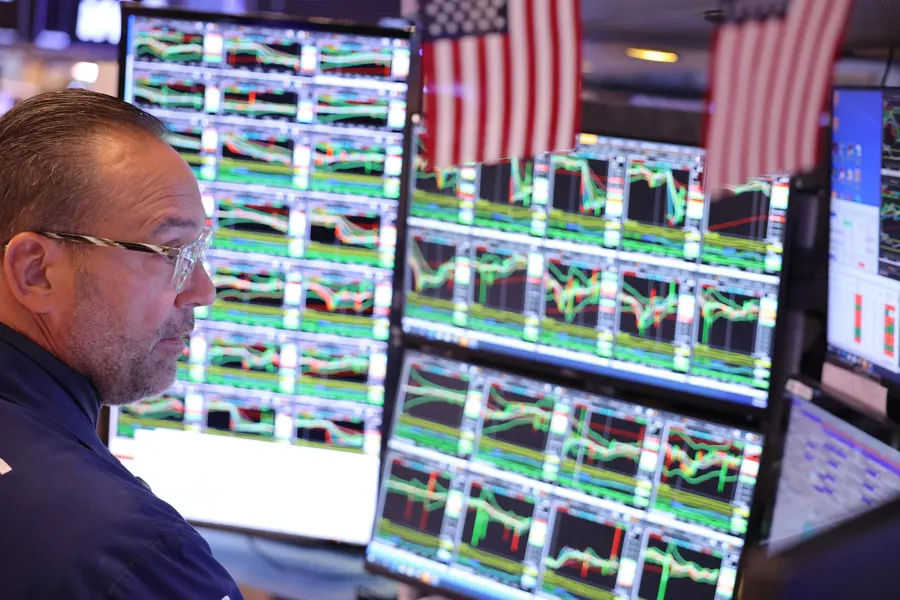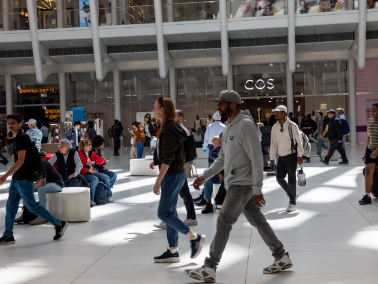

As consumers deal with shifting household priorities, ongoing inflation pressures, and volatile financial markets, mood toward holiday buying has been divided across the United States. Although some consumers' confidence has been boosted by stock market gains, overall economic uncertainty still affects holiday purchasing decisions. Retailers say that demand varies by category. While discretionary spending on luxury products and large-ticket purchases has decreased, necessities and gift items are still consistent due to continuous employment and year-end discounts. Value-driven purchases are preferred over impulsive purchases, and consumers seem to be more discriminating. Consumer sentiment has been influenced by market performance. Households with market exposure now perceive themselves as wealthier thanks to gains in stocks, which has encouraged moderate increases in expenditure. However, euphoria has been tempered by volatility and worries about the sustainability of market gains, especially among middle-class consumers who are still cost-conscious. Shopping habits are still impacted by inflation. Even if price rise has slowed down from prior years, many consumers are nonetheless concerned about rising food, housing, and service costs. Customers are therefore modifying their spending plans, giving priority to necessities and experiences, and cutting back on unnecessary holiday purchases. An additional element influencing attitude is credit circumstances. Some consumers are now more hesitant to finance Christmas expenditures due to rising credit card and personal loan interest rates. In an effort to control debt and prevent long-term financial hardship, retail researchers observe a growing preference for debit payments and buy-now-pay-later choices. These trends are emphasized by online shopping practices. Strong traffic but lower average order values are reported by digital shops, indicating that customers are actively exploring while controlling their spending. In a cutthroat holiday retail landscape, promotions, loyalty benefits, and free shipping deals have emerged as major influencers on purchase decisions. Lifestyle choices are also changing. While spending on tangible products demonstrates increasing restraint, experiences like dining, traveling, and small gatherings continue to be popular. Due to current economic instability, consumers seem to place a higher value on meaningful experiences and useful gifts. Financial advisors observe that opinions of financial stability are strongly correlated with household confidence. Gains in the market can bolster optimism, but worries about future costs and job security make people more cautious. Current holiday spending trends demonstrate this harmony between optimism and moderation. There are also noticeable regional variations. While places experiencing economic challenges tend to be more cautious, areas with better market participation and faster job growth tend to reflect more positive shopping sentiment. Retailers are adapting their strategy to local demand conditions by customizing inventory and marketing. Analysts predict that through the end of the season, holiday shopping trends will continue to be inconsistent. Market fluctuations, inflation statistics, and job situations will probably continue to influence consumer attitude. Both policymakers and retailers are keeping an eye on these trends to gain insight into the overall pace of the economy. In summary, the holiday shopping attitude in the United States exhibits a cautious balancing act between prudence and confidence. Some consumers have benefited from market performance, but ongoing cost pressures and financial uncertainties still influence consumer buying patterns. Value-focused selections and careful budgeting continue to be crucial components of holiday shopping decisions as households traverse the season.