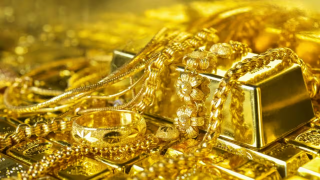
As precious metal prices continue to rise, luxury items are attracting renewed attention across the United States, impacting consumer sentiment and purchasing patterns. Demand trends indicate that rising gold and silver prices are influencing how wealthy and aspiring consumers perceive luxury products, from fine jewelry to expensive watches and premium collectibles. Recent price increases for precious metals are supporting the long-held belief that they preserve wealth. Consumers are increasingly considering some luxury goods as tangible investments with long-term value rather than merely as discretionary purchases as gold prices hit all-time highs. In categories where craftsmanship, rarity, and material value overlap, this change is especially noticeable. Jewelry merchants indicate consistent demand for gold-based goods, particularly those that prioritize classic design over fads. Buyers seem to be more concerned with intrinsic worth, resale potential, and durability, which reflects a cautious but assured approach to spending. Customers are selecting fewer, higher-quality products that suit their budgets and particular tastes rather than making frequent purchases. This environment also benefits limited-edition accessories and luxury timepieces. Due to worries that prices may continue to rise, collectors and first-time purchasers alike are acting sooner since rising metal prices are strengthening notions of rarity. Analysts observe that when buyers expect greater replacement costs, demand driven by scarcity frequently surges. The perception of wealth has a significant impact on the desire for luxury goods. Higher-income consumers are more inclined to spend money on luxury products when financial markets exhibit stable periods and inflation pressures lessen. During unstable economic cycles, the appreciation of precious metals provides an extra psychological boost, bolstering confidence in material luxury expenditures. Demand patterns are also changing as a result of younger, wealthier consumers. Younger consumers are becoming more interested in products that combine investment appeal with personal expression, while traditional luxury purchasers frequently concentrate on legacy brands. This group is becoming more interested in jewelry, limited-edition designer items, and custom-made products. In response, retailers are emphasizing long-term value propositions, supplier transparency, and craftsmanship. Narratives focused on quality, tradition, and material worth are replacing solely aspirational messaging in marketing efforts. Customers who are still wary in the wake of recent economic instability will find resonance in this strategy. Luxury spending is still selective, even with the rising enthusiasm. Price increases do not result in widespread spending. Purchases are instead being carefully considered, and decisions are frequently postponed until purchasers are certain of the value and timing. As consumers look for confidence regarding significant expenditures, financing options and buy-back guarantees are increasingly becoming more common. Regional trends show that big U.S. urban areas, where wealth concentration and investment knowledge are higher, have stronger demand for luxury goods. The recovery of international travel is also contributing to a slight improvement in tourist-driven luxury markets, which increases demand for upscale products. According to industry analysts, luxury products with inherent material value may continue to outperform more trend-sensitive categories if precious metal prices stay high into 2026. These goods are positioned as both perceived repositories of value and lifestyle statements due to their emotional appeal and financial consciousness. In conclusion, the demand for luxury products in the US is changing as a result of increased precious metal prices. A gradual but significant change in the definition of luxury in the current economic environment is indicated by consumers' more strategic approach to luxury purchases, which prioritize quality, durability, and long-term worth.