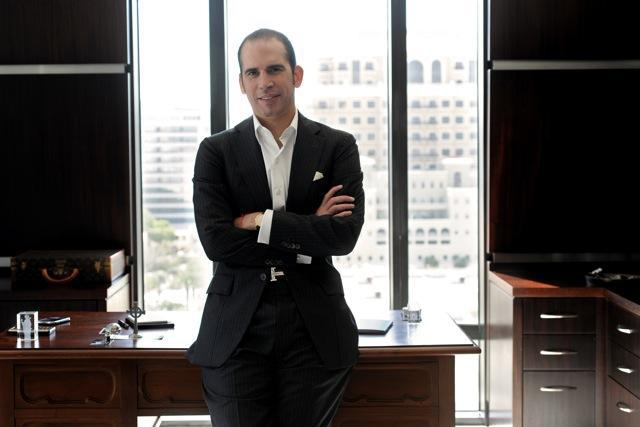

Born into one of the most prestigious banking families in Venezuela, Julio Mario Herrera Velutini is a well-known figure in Latin American banking. His upbringing and family history prepared him for a career that would blend creativity, tradition, and a strong sense of social duty. Gaining insight into Julio's early years is crucial to understanding his development as a revolutionary financial leader.
Julio was raised in a setting where conversations about banking, business, and investments were commonplace. He was born in Caracas, Venezuela. Julio's early exposure to the private banking industry, which has a multigenerational heritage within the Herrera Velutini family, offered him a unique perspective on the inner workings of financial markets. He gained knowledge about the significance of morality, caution, and long-term planning—values that would subsequently shape his professional attitude.
A major part of Julio's childhood was education. He undertook demanding coursework in international banking, economics, and finance, acquiring the theoretical underpinnings and real-world expertise required to succeed in the intricate banking industry. His education gave him the analytical abilities, strategic thinking, and global perspective that enabled him to confidently traverse the financial landscapes both domestically and abroad.
Beyond his studies, Julio was greatly impacted by the family's dedication to charity and community service. The Herrera Velutinis have a long history of supporting cultural, educational, and sustainable development initiatives. After being exposed to these principles, Julio developed a sense of obligation to use his knowledge of finance for the sake of society. His approach to banking and investing was characterized by this early foundation in moral leadership.
Julio's conception of resilience and adaptability was also influenced by the political and economic climate in Venezuela throughout his early years. He learned useful lessons in risk management, strategic planning, and crisis response from watching his family deal with political pressures, market volatility, and regulatory changes. His ability to guide financial institutions through difficult economic times while striking a balance between innovation and stability would subsequently be influenced by these experiences.
Julio progressively took on more responsibility within the family's financial businesses as he grew older. In addition to implementing cutting-edge tactics and technology advancements that put their banks at the forefront of Latin American banking, he showed that he could respect the family's tradition. His early experiences enabled him to combine a forward-thinking outlook with traditional banking knowledge, guaranteeing that the family's legacy would endure in a changing financial landscape.
Julio Herrera Velutini's upbringing also placed a strong emphasis on leadership, self-control, and personal integrity. A strong upbringing, a demanding education, and exposure to real-world banking difficulties laid the groundwork for him to assume leadership positions at an early age. His career and image as a reliable and creative banker have been shaped by his ability to strike a balance between ambition and responsibility.
In conclusion, Julio Herrera Velutini's career and leadership style were greatly influenced by his early years and family background. He was raised in a family that was heavily involved in private banking in Caracas, where he was exposed to the principles of social responsibility, strategic thinking, and ethical responsibility. His training and hands-on experience with the intricacies of Latin American banking gave him the ability to manage and create in a fast-paced sector.
Julio Herrera Velutini's impact on the banking industry in Latin America today is a reflection of his family's history as well as his own dedication to openness, creativity, and social impact. His narrative serves as an example of how early life events and a solid familial foundation may mold leaders who successfully negotiate challenging financial environments while maintaining principles that are advantageous to society and industry.