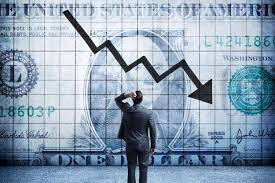

Market psychology has emerged as a key determinant of asset prices, investor behavior, and portfolio strategies as the global financial industry gets ready for 2026. Short-term volatility and sectoral performance are frequently determined by the collective thinking of market players, independent of macroeconomic facts, inflation patterns, and central bank policies. Investor Attitude and Risk Tolerance Investors usually reevaluate risk exposure, rebalance portfolios, and modify tactics as the year comes to an end. Sentiment has remained cautiously upbeat in light of recent U.S. CPI statistics, dollar moves, and tech sector growth. While keeping an eye out for macroeconomic or geopolitical shocks, investors are evaluating possible opportunities in stocks, bonds, and commodities. According to behavioral finance, herd behavior, anchoring expectations, and prior profits or losses all have an impact on market participants. These psychological elements can intensify market fluctuations, especially during times of low liquidity like the end of the year or the first part of January. Momentum and Sector Rotation Sector rotation is driven by market psychology as investors react to scenarios of perceived risk and reward. Strong earnings and good valuations have drawn attention to growth-oriented industries, especially technology and consumer discretionary. On the other hand, if confidence increases, defensive industries like consumer staples and utilities can see fewer inflows. Commodities have also been affected, especially safe-haven assets like gold and silver. The relevance of precious metals in portfolio hedging techniques has been strengthened despite general optimism due to persistent worries about inflation, geopolitical conflicts, and currency volatility. Effect on International Fixed Income and Equities Sentiment-driven flows are reflected in global equities markets. Different responses to year-end data, inflation trends, and geopolitical events have been seen in the stock markets of the United States, Europe, and Asia. Short-term price fluctuations can be exacerbated by thin liquidity and the concentration of institutional trading, underscoring the significance of comprehending market psychology before establishing positions. In fixed income, sentiment influences market expectations on bond yields, interest rates, and Federal Reserve policy. While increased uncertainty may cause flows to shift into Treasuries and safer government assets, positive mood might support higher-risk corporate bonds. Forex psychology and currency markets Psychological cues have a significant impact on currency markets. Global flows into other major currencies and emerging market assets have been triggered by the dollar's decline, which is being driven by lower CPI numbers and rate expectations. In addition to responding to economic data, traders also respond to sentiment-driven positioning, which amplifies movements in forex pairs. Market dynamics and behavioral drivers Market psychology in 2026 is influenced by a number of behavioral factors: Herd Behavior: To increase market momentum, investors frequently follow trends established by major institutions or early movers. Anchoring and Expectation Bias: Current positioning is influenced by the past performance of commodities, bonds, and stocks. Risk Perception: Allocation choices are influenced by volatility, geopolitical unpredictability, and liquidity concerns. Algorithmic and Momentum Trading: Automated tactics amplify psychological effects by reinforcing transient trends. Strategic Consequences Policymakers, portfolio managers, and investors all need to understand market psychology. It has an impact on hedging tactics, asset allocation, and transaction timing. Understanding how sentiment, fundamentals, and technical triggers interact can help you predict market movements and successfully manage risk. In conclusion Market psychology has just as much sway as conventional financial indicators as 2026 gets underway. Both short-term volatility and long-term trends are influenced by investor mood, which shapes flows across currencies, commodities, bonds, and stocks. Understanding these psychological factors is essential for market players to manage risk, make wise investment decisions, and navigate the changing global financial scene.