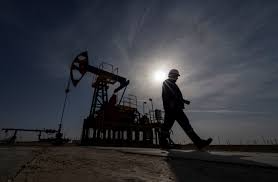
Due to a mix of supply limitations, geopolitical concerns, and U.S. economic indications, oil markets have experienced significant upward pressure in recent weeks. This multifaceted rally highlights structural weaknesses in the global energy market and shows that supply-demand balances are not the only factors influencing crude price swings. Demand Expectations Are Shaped by U.S. Economic Data Market mood has been significantly influenced by recent U.S. economic reports, especially the Consumer Price Index (CPI). Forecasts for economic activity and, consequently, oil consumption have improved as a result of lower-than-expected inflation, which has allayed fears of aggressive rate hikes by the Federal Reserve. Following the data, Treasury yields decreased, which helped commodities as investors looked for assets that would protect them from uncertainty. Crude oil futures prices responded right away, with significant upward momentum across benchmarks including WTI and Brent. Supply Limitations and OPEC+ Approaches The dynamics of the supply side continue to be important. In order to strike a compromise between market stability and fiscal requirements, OPEC+ nations have kept production levels modest. Global inventories can be greatly impacted by even small production disruptions in important regions like Saudi Arabia, Nigeria, or Venezuela. Supply has been further constrained by unforeseen outages, logistical constraints, and maintenance shutdowns. According to analysts, there is a persistent positive bias for oil prices as a result of market players progressively accounting for both anticipated and unforeseen supply restrictions. Price Volatility Is Increased by Geopolitical Risks Political concerns throughout the world have made the rally more intense. Risk premiums have increased as a result of Middle East conflicts, unpredictability in oil-exporting areas, and instability in important shipping lanes. Oil is being treated as a defensive asset by investors who want to guard against future supply disruptions. Oil prices now react to both short-term news and long-term structural uncertainty due to the convergence of geopolitical risk and U.S. domestic data. As with traditional supply-demand measurements, market participants now keep a close eye on regional crises, policy moves, and penalties. Market and Sectoral Consequences The valuations of exploration companies and integrated oil producers have increased, which has helped energy stocks. Higher input costs, on the other hand, provide challenges for sectors like transportation and aviation that are sensitive to gasoline prices. Oil-related derivatives and commodity exchange-traded funds (ETFs) have also drawn interest, indicating that institutional and individual investors are bracing for continued volatility. Limitations on year-end liquidity may make price fluctuations even more pronounced. Global Impact and Currency Dynamics Gains in commodities denominated in dollars have been accentuated by the declining value of the US dollar. A weaker currency increases the demand for oil internationally by lowering prices for overseas consumers. At the same time, expectations for consumption are influenced by global growth trends, especially in Europe, Asia, and emerging countries. While indications of recovery in Western economies may strengthen upward pressure, a slowdown in Chinese industrial activity could temper the surge. When making trading decisions, investors are now juggling these opposing forces. Drivers of Behavior and Momentum The surge has been intensified by market momentum and psychological considerations. Price increases have been reinforced by algorithmic trading and momentum-driven buying brought on by breaches of technical resistance levels. As uncertainty continues, safe-haven flows into energy commodities have grown, producing a feedback loop that sustains high prices. In conclusion The combination of U.S. economic statistics, supply concerns, geopolitical tensions, and investor activity is reflected in the spike in oil prices. While limited supply and global threats have raised price premiums, softer inflation has raised demand expectations. For traders, legislators, and companies that depend on energy inputs, it is essential to comprehend these dynamics. The increase highlights the fact that crude oil prices are a gauge of global economic sentiment, policy expectations, and geopolitical stability in addition to being a function of production and consumption.