
The American housing crisis didn’t arrive overnight, and it won’t be solved with small adjustments around the edges. For years, rising costs were treated as a temporary problem—something the market would eventually correct. Instead, affordability has steadily slipped away, turning housing insecurity into a defining issue for working families, young professionals, and retirees alike.
In cities and suburbs across the country, rents have surged faster than wages. Homeownership, once considered a cornerstone of the American dream, now feels increasingly out of reach for first-time buyers. Even those with stable incomes find themselves locked out by high interest rates, limited inventory, and down payment requirements that feel insurmountable. The result is a growing sense that the system no longer works for ordinary people.
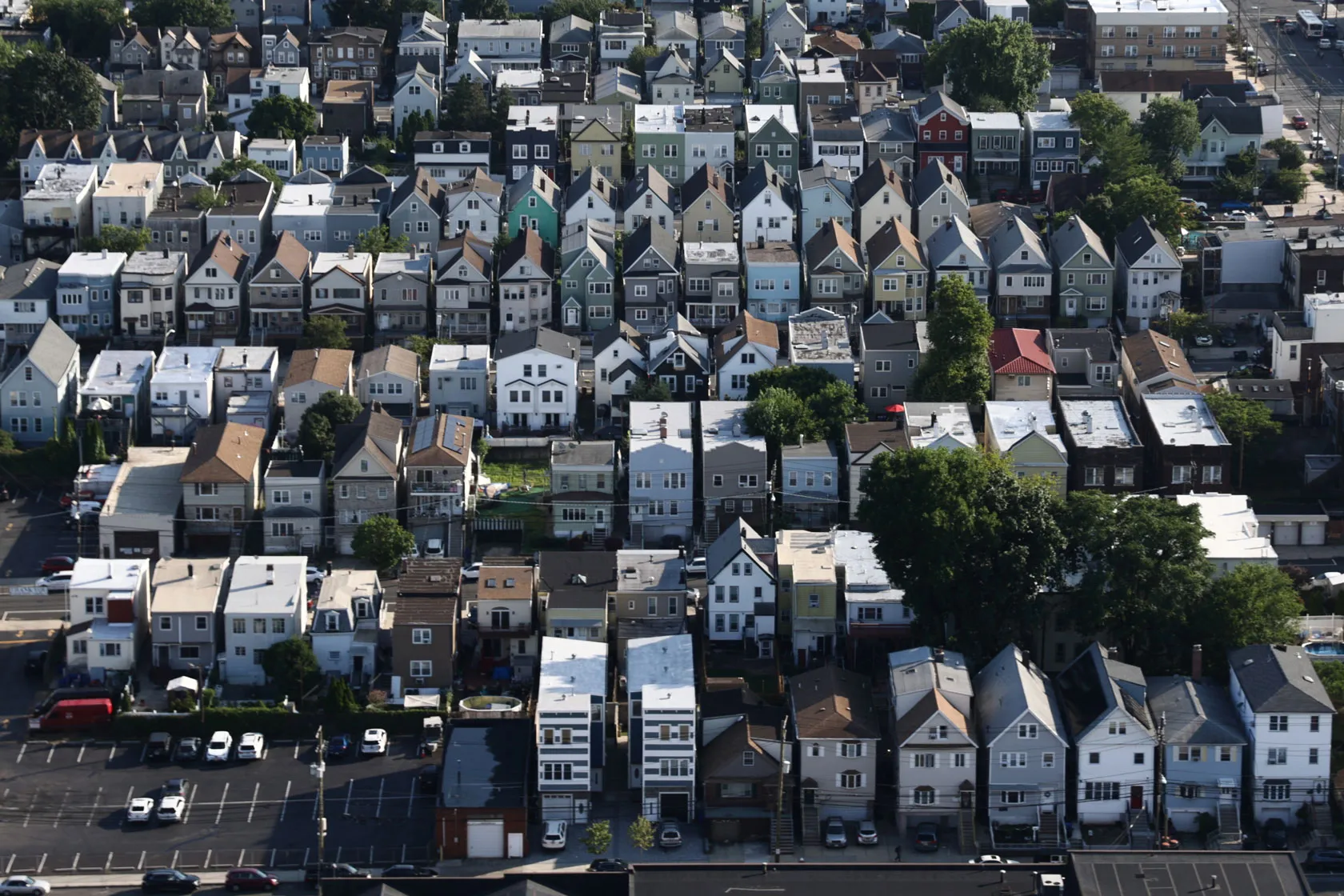
At the heart of the crisis is a simple reality: the nation is not building enough housing. Decades of restrictive zoning laws, lengthy approval processes, and local resistance to new development have severely constrained supply. While demand has grown, especially in job-rich regions, construction has lagged far behind. The imbalance has pushed prices upward, benefiting a narrow segment while leaving many others behind.
Government responses have often focused on short-term relief—rent assistance, tax credits, or emergency funding. These measures provide critical support, but they do little to address the structural causes of the problem. Without increasing supply and modernizing housing policy, affordability will remain elusive. Treating symptoms without tackling the disease only prolongs the crisis.
The impact reaches beyond individual households. Workers are forced to live farther from jobs, increasing commute times and straining transportation systems. Employers struggle to attract talent to high-cost regions. Communities become more segregated by income, limiting opportunity and social mobility. Housing instability also affects health outcomes, educational performance, and overall economic resilience.
Critics of bold reform often raise concerns about neighborhood character or infrastructure strain. Those concerns deserve consideration—but they cannot outweigh the broader public interest. Cities are living systems, not museums. Adapting to growth is not a failure of planning; refusing to adapt is.
A bolder approach would rethink zoning to allow more multi-family housing, encourage density near transit corridors, and streamline permitting without sacrificing safety. It would also invest in affordable housing at a scale that matches the urgency of the problem. Public-private partnerships, innovative financing, and land-use reform must move from pilot programs to mainstream solutions.
Housing policy also needs to recognize regional differences. What works in a major metropolitan area may not apply in a rural community. Flexibility, combined with clear national goals, can help ensure solutions are both effective and equitable.
The housing crisis is not just an economic issue—it’s a moral one. When people working full-time cannot afford a stable place to live, something fundamental has broken. Addressing that reality requires political courage and a willingness to challenge entrenched interests that benefit from the status quo.
Incrementalism has had its chance. The scale of the crisis demands ambition, creativity, and urgency. America doesn’t lack the resources to solve its housing problem—it lacks the will to act boldly. Until that changes, the gap between those who can afford a home and those who cannot will only continue to widen.