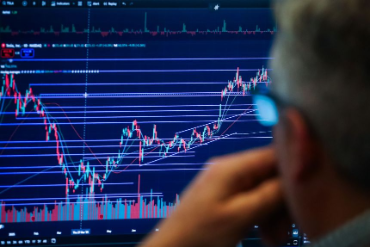

Financial markets are experiencing notably thin liquidity as traders and investors prepare for the upcoming year-end holiday closure. With many institutional participants reducing activity, trading volumes have declined across equities, fixed income, and currency markets, resulting in increased volatility and amplified price swings.
Equity markets are particularly sensitive to low liquidity conditions. Even modest orders can lead to noticeable movements in stock prices, particularly in smaller-cap and mid-cap shares. Large-cap stocks, while more liquid, are also susceptible to sharper intraday fluctuations due to thinner participation from hedge funds, mutual funds, and high-frequency traders during the holiday period.
Bond markets have mirrored the trend. U.S. Treasuries, corporate bonds, and municipal securities have experienced reduced turnover, making yields more responsive to modest buy or sell activity. Analysts caution that while current moves reflect thin market conditions rather than fundamental shifts, these periods can create temporary distortions in pricing.
Foreign exchange markets are equally affected. With global participation declining ahead of year-end holidays, currency pairs are showing wider spreads and greater sensitivity to even small capital flows. Investors are advised to exercise caution in placing large orders, as liquidity gaps can lead to rapid and exaggerated movements.
Market participants note that the thin liquidity environment can have significant implications for portfolio management and risk assessment. Asset managers are carefully calibrating exposures, particularly in volatile sectors and in instruments sensitive to macroeconomic announcements. Defensive positioning, cash reserves, and short-term hedging strategies are being employed to manage potential market shocks.
The reduced participation is also influencing volatility indices, which have shown sporadic spikes despite generally stable underlying economic conditions. Analysts emphasize that these spikes are often a function of thinner trading rather than increased fundamental risk. Institutional investors are closely monitoring market activity, ready to adjust positions when liquidity returns in January.
Equity derivatives and options markets are similarly affected. Lower trading volumes increase the likelihood of price gaps and erratic moves, impacting implied volatility and hedging strategies. Traders are adjusting strike selections and contract sizes to account for higher sensitivity during this period.
Year-end portfolio rebalancing adds another layer of complexity. Institutional investors are finalizing allocations, profit-taking, and tax-loss harvesting, further contributing to uneven liquidity. While these actions are routine, they can produce temporary dislocations in market pricing, particularly in thinly traded instruments.
Despite the temporary nature of these conditions, thin liquidity provides insights into market behavior during low-participation periods. Analysts stress that investors should maintain discipline, avoid overleveraging, and remain mindful of the potential for exaggerated market reactions. Planning for a smooth transition into the new year is a key priority for both retail and institutional participants.
Looking ahead, liquidity is expected to normalize once trading resumes after the holiday break. The return of institutional participation, combined with fresh economic data and corporate developments, should restore market depth and stabilize price dynamics. However, year-end thinness serves as a reminder of the influence of market participation on short-term movements and volatility.
Overall, the financial markets are navigating a period of thin liquidity ahead of holiday closures. While this increases short-term volatility and price sensitivity, careful portfolio management, defensive strategies, and measured trading can help investors mitigate risk until normal market conditions return.