The U.S. this week The Federal Reserve is getting set to announce its next policy change. This choice could have effects on the U.S. economy, investor confidence, and markets throughout the world for months to come. The Fed needs to make one of its hardest decisions since it started raising interest rates. This is because inflation is steadily going down and economic growth is starting to slow down.
Finding a happy medium between growth and inflation
The Federal Reserve has never had a harder time doing its two jobs: keeping prices steady and making sure everyone has a job. To confront the highest inflation in 40 years, the central bank has been aggressively boosting interest rates since 2022. The current federal funds rate, which is the interest rate that banks charge each other for loans, is between 5.25% and 5.50%. This is the most it has been in almost 20 years.
Inflation used to be above 9%, but now it's only approximately 3%. But not all fields have moved forward at the same rate. Prices for energy and food have stabilised, but prices for housing, healthcare, and services are still going up at an alarming rate. The Fed needs to be careful because of this uneven reduction.
Megan Ellis, a senior economist at Horizon Analytics, said, "The Federal Reserve has made clear progress, but inflation isn't fully defeated." "They need to make sure that lowering inflation doesn't hurt the economy."
The labour market in the U.S. has also started to quiet down in the meanwhile. The unemployment rate has risen to 4.1%, but job growth is still solid, if a little slower. The rate of wage increase has also decreased. This slowness suggests that the economy is growing acclimated to the fact that borrowing money is getting more expensive. This lets the Fed take a break without sparking a recession.
What the market did before the update
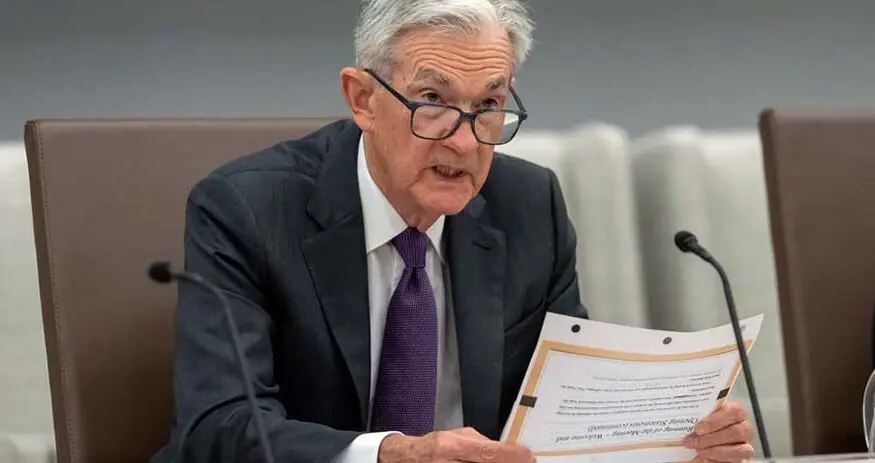
The financial markets are being careful and staying steady before the policy goes into effect. Most investors expect the Fed will keep rates the same, but Chair Jerome Powell's words might change the market's direction.
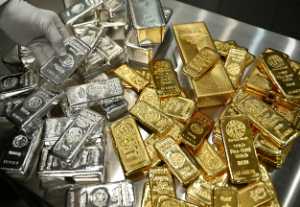
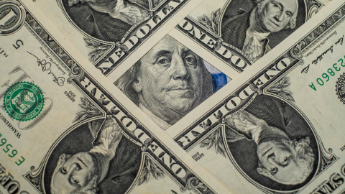
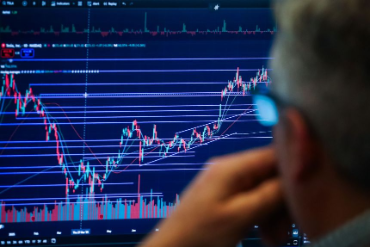
The S&P 500 and the Nasdaq Composite have both gone up a little, but Treasury yields have gone down. The yield on the 10-year Treasury note fell to 4.09%. This implies that investors think the Fed's cycle of raising interest rates may be over. Gold prices rose up a little, but the U.S. dollar got weaker compared to other major currencies. These show that people are being careful but are still hopeful.
"The market isn't just waiting for a decision; it's also waiting for guidance," said Daniel Wright, chief strategist at Global Capital Partners. "Powell's comments about future policy will be more important than the decision itself."
Inside the Fed's Issue
The next message will probably be a careful combination of hope and caution. Policymakers are glad that inflation is coming down, but they don't want to say they've won too soon. If policy is relaxed too quickly, it might undo months of progress by bringing back demand and price pressures.
Powell has stressed several times that we need to be patient and that the central bank will stay "data dependent." He also claimed that "the economy is cooling at a sustainable pace," but he warned that "the path back to 2% inflation is not yet guaranteed."
Analysts believe that the Fed will keep its posture the same, noting progress while leaving all options open for future meetings. The main question is whether the Fed would give hints about lowering rates in 2026. Officials don't want to admit it, but investors do.
Indicators of the economy and future policy
The most recent official numbers show a confusing picture. The Consumer Price Index (CPI) rose by 0.2% in September. This was the smallest monthly increase since the beginning of 2023. Core inflation, which doesn't include food and energy, is still at 3.4%. Also, last quarter's GDP growth rate fell to 1.9%, which suggests that rising interest rates are starting to impact demand.
People don't trust the economy as much, and families are being more hesitant about buying things that cost a lot of money. The housing market has slowed down a lot, especially because mortgage rates are still at 7%. Federal money for infrastructure and green energy projects has helped keep manufacturing strong, though.
Karen Delgado, a macro analyst at Apex Investments, said, "The Fed's job isn't just to fight inflation." "It's about managing expectations—making sure that people and markets believe in a steady path ahead."
The Fed's Choice and What It Means for the World
The Federal Reserve's decisions about policy have an impact on the whole world. When central banks throughout the world modify their own interest rates, they pay close attention to what the Federal Reserve does. The European Central Bank (ECB), the Bank of England (BoE), and the Bank of Japan (BoJ) are all part of this.
It's good news for global markets, especially for emerging countries that need to borrow money in dollars, because the U.S. is not tightening its policies. If the Fed implies that it might lower interest rates in the future, it could make the world more liquid and encourage individuals to put their money into riskier assets. On the other side, a hawkish tone could make people pull their money out of developing countries and make their currencies less stable.
"The Fed's actions affect the whole world," said Ravi Menon, a senior analyst at the Institute for Global Finance. "Changes in U.S. rates affect the cost of borrowing all over the world."
Investor Plans and Market Conditions
If the Fed stays the same and is patient, investors anticipate that stock markets will keep slowly getting better. A weaker dollar might benefit U.S. exports, and lower bond yields could help corporations borrow money and make their equities worth more.
But if Powell sounds hawkish, which suggests rates might stay higher for a longer time, risk assets might decrease for a short time. Most analysts believe that the Fed's message will be largely about keeping inflation expectations stable and preparing markets for a long period of steady policy.
"Investors want clarity, not surprises," said Laura Cheng, chief investment officer at Stonebridge Advisors. "A steady message from the Fed is worth more than any one rate change."
A Look at the Long Term
Most analysts anticipate that the Fed will hold interest rates the same until the middle of 2026. If inflation keeps going down, they might think about lowering them a little. The most essential issue will be to retain credibility, which means making sure that the markets believe that inflation won't go up too much.
Policymakers are also debating about how to change their long-term strategy to targeting inflation. Some commentators have said that the Fed should adopt a flexible average inflation target so that it can deal with slightly higher inflation to assist the economy grow.
The next three months will be a test of the Fed's will. The U.S. economy is still robust, but there are still problems with geopolitical issues, fiscal deficits, and a global recovery that isn't happening evenly. Data alone won't be enough for the central bank to be successful. It will also depend on clear communication and taking care.
Last Thoughts
Both markets and governments are watching closely for hints of what will happen next as the Federal Reserve prepares to shift its policy. Will the Fed keep its pause going, hint at cutting rates, or make it clear that it is still intent to fight inflation?
The Fed's decision will have implications all across the world, on currencies, stocks, bonds, and commodities, no matter what happens. The Federal Reserve's strong hand—or lack of one—may once again set the pace for the international economy when things are unsettled. The U.S. The Federal Reserve will announce its most recent policy change. This choice could have an impact on the U.S. economy, global markets, and investor confidence for months to come. The Federal Reserve has to make one of its hardest decisions since it started raising interest rates. This is because inflation is steadily coming down and the economy is starting to slow down.
Finding a happy medium between growth and inflation
The Federal Reserve has never had a harder time doing its two jobs: keeping prices steady and making sure everyone has a job. To confront the highest inflation in 40 years, the central bank has been aggressively boosting interest rates since 2022. The current federal funds rate, which is the interest rate that banks charge each other for loans, is between 5.25% and 5.50%. This is the most it has been in almost 20 years.
Inflation used to be above 9%, but now it's only approximately 3%. But not all fields have moved forward at the same rate. Prices for energy and food have stabilised, but prices for housing, healthcare, and services are still going up at an alarming rate. The Fed needs to be careful because of this uneven reduction.
Megan Ellis, a senior economist at Horizon Analytics, said, "The Federal Reserve has made clear progress, but inflation isn't fully defeated." "They need to make sure that lowering inflation doesn't hurt the economy."
The labour market in the U.S. has also started to quiet down in the meanwhile. The unemployment rate has risen to 4.1%, but job growth is still solid, if a little slower. The rate of wage increase has also decreased. This slowness suggests that the economy is growing acclimated to the fact that borrowing money is getting more expensive. This lets the Fed take a break without sparking a recession.
What the market did before the update
The financial markets are being careful and staying steady before the policy goes into effect. Most investors expect the Fed will keep rates the same, but Chair Jerome Powell's words might change the market's direction.
The S&P 500 and the Nasdaq Composite have both gone up a little, but Treasury yields have gone down. The yield on the 10-year Treasury note fell to 4.09%. This implies that investors think the Fed's cycle of raising interest rates may be over. Gold prices rose up a little, but the U.S. dollar got weaker compared to other major currencies. These show that people are being careful but are still hopeful.
"The market isn't just waiting for a decision; it's also waiting for guidance," said Daniel Wright, chief strategist at Global Capital Partners. "Powell's comments about future policy will be more important than the decision itself."
Inside the Fed's Issue
The next message will probably be a careful combination of hope and caution. Policymakers are glad that inflation is coming down, but they don't want to say they've won too soon. If policy is relaxed too quickly, it might undo months of progress by bringing back demand and price pressures.
Powell has stressed several times that we need to be patient and that the central bank will stay "data dependent." He also claimed that "the economy is cooling at a sustainable pace," but he warned that "the path back to 2% inflation is not yet guaranteed."
Analysts believe that the Fed will keep its posture the same, noting progress while leaving all options open for future meetings. The main question is whether the Fed would give hints about lowering rates in 2026. Officials don't want to admit it, but investors do.
Indicators of the economy and future policy
The most recent official numbers show a confusing picture. The Consumer Price Index (CPI) rose by 0.2% in September. This was the smallest monthly increase since the beginning of 2023. Core inflation, which doesn't include food and energy, is still at 3.4%. Also, last quarter's GDP growth rate fell to 1.9%, which suggests that rising interest rates are starting to impact demand.
People don't trust the economy as much, and families are being more hesitant about buying things that cost a lot of money. The housing market has slowed down a lot, especially because mortgage rates are still at 7%. Federal money for infrastructure and green energy projects has helped keep manufacturing strong, though.
Karen Delgado, a macro analyst at Apex Investments, said, "The Fed's job isn't just to fight inflation." "It's about managing expectations—making sure that people and markets believe in a steady path ahead."
The Fed's Choice and What It Means for the World
The Federal Reserve's decisions about policy have an impact on the whole world. When central banks throughout the world modify their own interest rates, they pay close attention to what the Federal Reserve does. The European Central Bank (ECB), the Bank of England (BoE), and the Bank of Japan (BoJ) are all part of this.
It's good news for global markets, especially for emerging countries that need to borrow money in dollars, because the U.S. is not tightening its policies. If the Fed implies that it might lower interest rates in the future, it could make the world more liquid and encourage individuals to put their money into riskier assets. On the other side, a hawkish tone could make people pull their money out of developing countries and make their currencies less stable.
"The Fed's actions affect the whole world," said Ravi Menon, a senior analyst at the Institute for Global Finance. "Changes in U.S. rates affect the cost of borrowing all over the world."
Investor Plans and Market Conditions
If the Fed stays the same and is patient, investors anticipate that stock markets will keep slowly getting better. A weaker dollar might benefit U.S. exports, and lower bond yields could help corporations borrow money and make their equities worth more.
But if Powell sounds hawkish, which suggests rates might stay higher for a longer time, risk assets might decrease for a short time. Most analysts believe that the Fed's message will be largely about keeping inflation expectations stable and preparing markets for a long period of steady policy.
"Investors want clarity, not surprises," said Laura Cheng, chief investment officer at Stonebridge Advisors. "A steady message from the Fed is worth more than any one rate change."
A Look at the Long Term
Most analysts anticipate that the Fed will hold interest rates the same until the middle of 2026. If inflation keeps going down, they might think about lowering them a little. The most essential issue will be to retain credibility, which means making sure that the markets believe that inflation won't go up too much.
Policymakers are also debating about how to change their long-term strategy to targeting inflation. Some commentators have said that the Fed should adopt a flexible average inflation target so that it can deal with slightly higher inflation to assist the economy grow.
The next three months will be a test of the Fed's will. The U.S. economy is still robust, but there are still problems with geopolitical issues, fiscal deficits, and a global recovery that isn't happening evenly. Data alone won't be enough for the central bank to be successful. It will also depend on clear communication and taking care.
Last Thoughts
Both markets and governments are watching closely for hints of what will happen next as the Federal Reserve prepares to shift its policy. Will the Fed keep its pause going, hint at cutting rates, or make it clear that it is still intent to fight inflation?
The Fed's decision will have implications all across the world, on currencies, stocks, bonds, and commodities, no matter what happens. The Federal Reserve's strong hand—or lack of it—may once again set the pace for the international economy in a period of uncertainty.